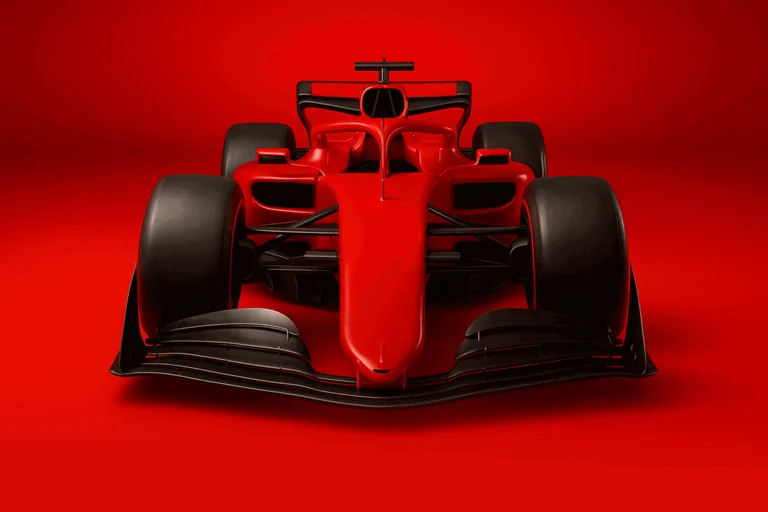

As Motorsport.com Italia reports, George Russell finds himself in an unfamiliar position heading into the fifteenth round of the Formula 1 world championship. Sitting in second place is a result the Mercedes driver has never previously touched since entering the top category. The W17 arrived as the machine to beat across every metric, boasting supreme top speed, aerodynamic load, efficiency, and a stellar chassis. Bookmakers and pundits expected Russell to dominate the title fight. Unfortunately, reality proved far more complicated.
Two unexpected roadblocks disrupted that script for the King’s Lynn native. First, adapting to radically transformed technical regulations proved immensely difficult. Second, a young driver from Bologna and teammate, Kimi Antonelli, delivered a flawless campaign that left veteran competitors trailing. Russell simply did not factor in his side of the garage posing a title threat, particularly after comfortably outscoring the Italian in the previous season. Antonelli slotted seamlessly into the new ruleset, mastering a driving style that suited the revised cars instantly.
The core of Russell's struggle traces back to the behaviour of the Pirelli tyres introduced for 2026. According to the Mercedes driver, the rubber lacks sufficient balance between the front and rear axles. Development of these tyres relied on power units and aerodynamic models with vastly different characteristics. Now, massive immediate torque from electrified power units upon corner exit places extreme stress on the rear tyres. Front tyres endure remarkably well, but the rear axle degrades rapidly, creating a vicious cycle of instability, overheating, and messy exits that even force unexpected energy deployments from the power unit.
Drivers who prefer aggressive corner exits, like Russell, suffer the most under this dynamic. Conversely, peers like Antonelli and Lando Norris adapted far better to the demands of the current technical cycle. Thankfully, Pirelli gathered direct feedback from drivers and tested new solutions for 2027. Russell believes the upcoming generation of tyres will offer a superior balance between the front and rear axles, paving the way for a more natural driving style.
Beyond tyre development, the FIA is introducing substantial aerodynamic alterations for 2027 to curb high-speed development and manage dirty air. These rules strip away rear wing elements, restrict vortex generators, and narrow the floor section from 900 mm to 600 mm. Championship leader Antonelli notes that these aerodynamic shifts will trigger a major loss of downforce, impacting handling far more than any minor changes to the rubber itself. Whether these adjustments reset the competitive order remains completely open, leaving the door wide open for 2027.