
Aston Martin rolls out major Hungary upgrade package to rescue difficult 2026 F1 start
Aston Martin is finally rolling out its much-anticipated chassis upgrade package at the Hungarian Grand Prix, marking an initial attempt to move on from what the squad has called the tough times of a brutal 2026 season.
There was plenty of excitement around the team heading into the year, powered by the arrival of design guru Adrian Newey and captured when the AMR26 broke cover at the Barcelona Shakedown in January. Mercedes driver George Russell even described the machine as pretty spectacular and probably the most standout in terms of car design. But looks do not dictate lap times. Both the chassis and the new Honda power unit fell well below expectations.
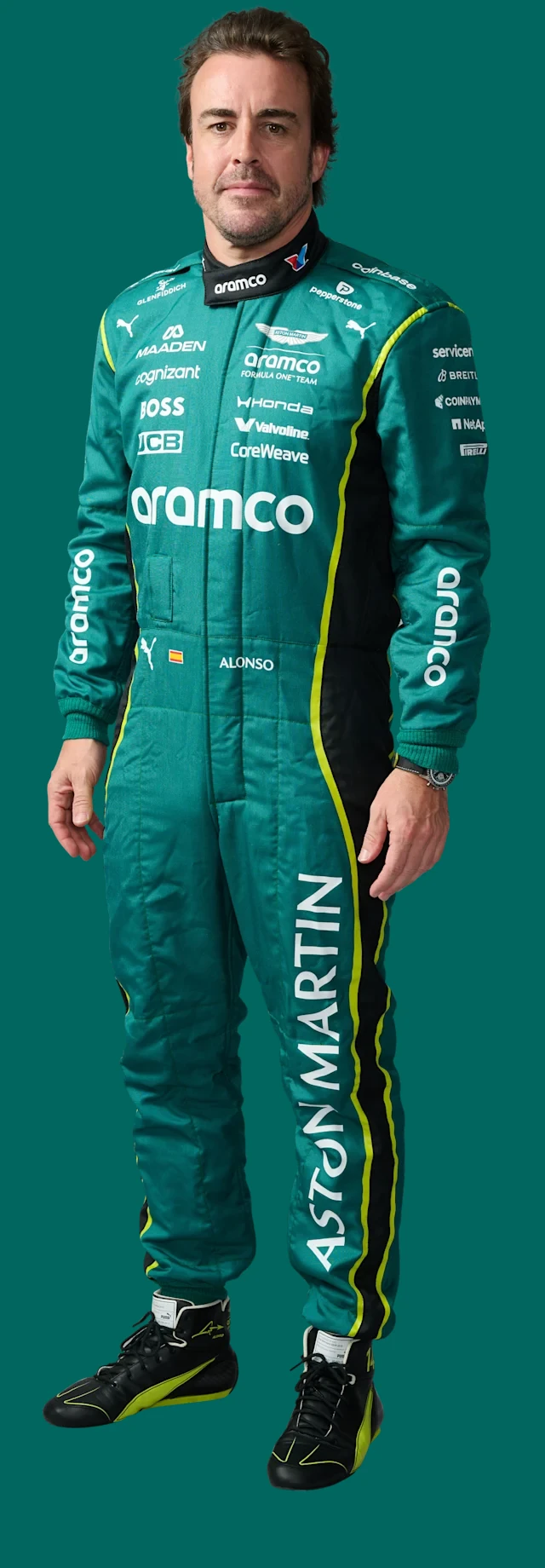
At the season opener in Australia, the team found themselves at the back of the grid in Qualifying, ahead of only newcomers Cadillac, while chronic vibrations limited the laps Fernando Alonso and Lance Stroll could complete. Last weekend at Spa-Francorchamps, Alonso and Stroll were cut adrift from the pack by some two seconds and were more than four seconds off the Q1 benchmark. Adrian Newey admitted they were on the back foot from the start on both sides, noting that they did not start serious work on the 2026 car until mid-March 2025 and did not get a model into the wind tunnel until mid-April, leaving them several months behind rivals. He also revealed they were relying on tools and processes patched and bodged for years, some dating back to the Jordan F1 operation of the early 1990s.
Instead of incremental steps, Aston Martin targeted the Hungaroring for sweeping car changes, while Honda is set to follow with a power unit update at the Dutch Grand Prix. Newey admitted it was a painful decision to wait while others added performance and they effectively stood still. The main structural elements like the chassis and gearbox architecture remain, but weight has been taken out of both, requiring re-homologating and crash testing the forward chassis. The front suspension is unchanged, but the rear suspension is slightly revised alongside a new nose and substantially revised aerodynamic surfaces, bringing the car very close to the weight limit.
Chief Trackside Officer Mike Krack stated that their most important goal is simply to go back racing, noting that it has been very difficult to keep up with the midfield in recent events. Meanwhile, reserve driver Jak Crawford—the 21-year-old American who is the F2 runner-up from last season—has been pulling double duty in the simulator to test the upgraded AMR26 model and feed data back to the factory. Crawford admitted at Spa that the team expected to struggle heavily on a power-unit-heavy circuit with an old spec car, but everyone is now excited to see how the new package translates from the simulator to the real track.
Only time will tell if these sweeping changes can dig Aston Martin and Honda out of their early-season hole, but the sheer volume of work behind the scenes in Silverstone and Sakura is undeniable.