IndyCar stars bring the noise to the White House ahead of Washington D.C. debut
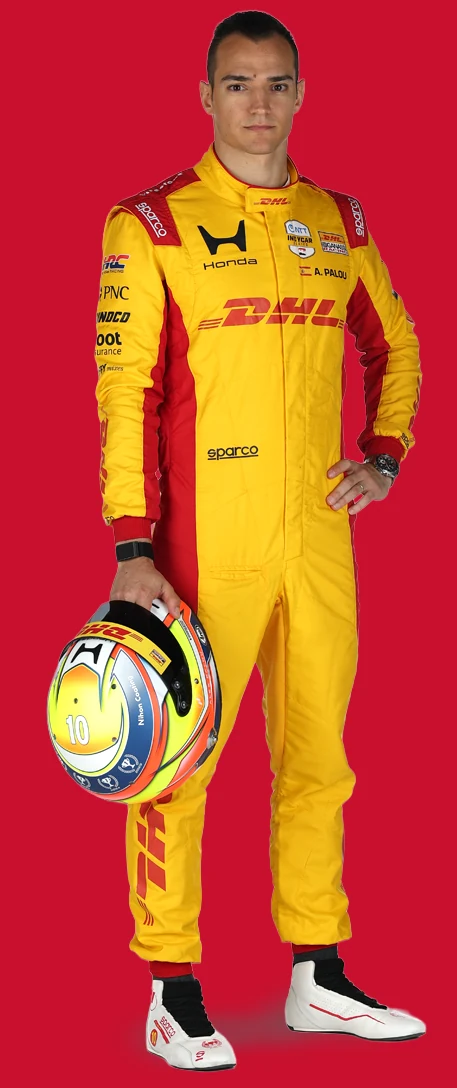
It is not every day that the raw, mechanical intensity of an IndyCar pit stop lands on the doorstep of the West Wing. Yet, that is exactly what happened this Monday, July 13. Three of the NTT IndyCar Series' biggest names—Alex Palou, Felix Rosenqvist, and David Malukas—descended upon the nation's capital to signal that the inaugural Freedom 250 Grand Prix is no longer just a blueprint. It is becoming a reality.
The stakes for this event are monumental. As the series prepares to race on the National Mall and the historic streets of Washington D.C. this August 22-23, the presence of the drivers at the White House alongside President Donald J. Trump underscored the sheer scale of this endeavor. For the uninitiated, the event marks a massive moment in motorsport, serving as a centerpiece for the country's 250th anniversary celebrations.
Watching the No. 12 Verizon Chevrolet crew from Team Penske perform a live pit stop demonstration in such a storied setting was, frankly, surreal. With David Malukas—the 24-year-old Team Penske driver currently sitting fourth in the standings—behind the wheel, the team displayed the kind of surgical precision that makes this sport so addictive. The car, sporting a patriotic red, white, and blue livery specifically for this race, looked like a predator against the backdrop of American history.
"It was such a cool experience to do an IndyCar pit stop for the first time at the White House," Malukas remarked, clearly buzzing from the day’s events. The visit included a special tour from the President himself, marking a career highlight for the young American driver in what has already been a standout debut season.
The circuit itself promises to be a beast. We are talking about a 1.7-mile, seven-turn course that winds past the Smithsonian National Air and Space Museum and the National Gallery of Art. The layout includes a high-speed, 0.4-mile run down Pennsylvania Avenue, framed by the Washington Monument and the U.S. Capitol. It is a technical layout that will force these drivers to balance high-speed aggression with the reality of unforgiving city streets.