

Here is the thing about the NASCAR Cup Series: when you take a 10-race break from 1.5-mile tracks and then have both practice and qualifying washed away on a Saturday, nobody really knows what they are walking into. That is the exact situation facing the field at Kansas Speedway for the Hollywood Casino 400, the first of a trio of intermediate races in The Chase presented by Mobil 1.
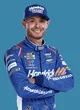
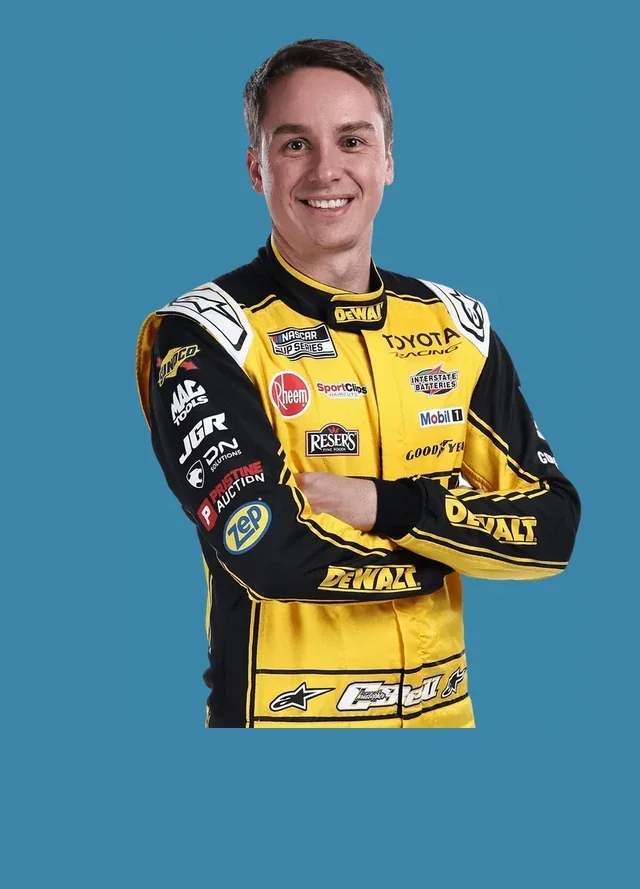
Toyota has absolutely bossed the 1.5-mile venues in 2026, pulling down 15 of the 25 total top-five finishes and leading 891 of a possible 1,448 circuits, which works out to 61.5 percent of the laps run across three wins. But past dominance does not mean a thing when you have zero track time to dial in the setup. “When you’re out of the groove of something, we haven’t devoted a lot of time to that until recent weeks getting ready for these next three in a row and certainly Homestead later in the year,” Adam Stevens, crew chief of Christopher Bell’s No. 20 Joe Gibbs Racing Toyota, told NASCAR.com. He added, “As a whole, the Toyota Racing Development cars were super strong at Chicagoland Speedway. But you don’t know the gains everyone else has made and how much time they’ve devoted to it.”
It used to be that camera was a lot closer to the first stall, so there was a much bigger advantage on a caution flag stop.
Kansas itself is a beast with a personality of its own. The preferred groove sits more than two-thirds up the track, the surface is relatively smooth compared to Las Vegas Motor Speedway and Charlotte Motor Speedway, but the seams will bite you if you are not paying attention. “Depending on how you straddle them,” Mike Skarbowski, making his crew chief debut for Brad Keselowski’s No. 6 RFK Racing Ford, told NASCAR.com. “We’re going fast around the track, so any minute differences in the track and content around there is changing the aero effects of the car.”
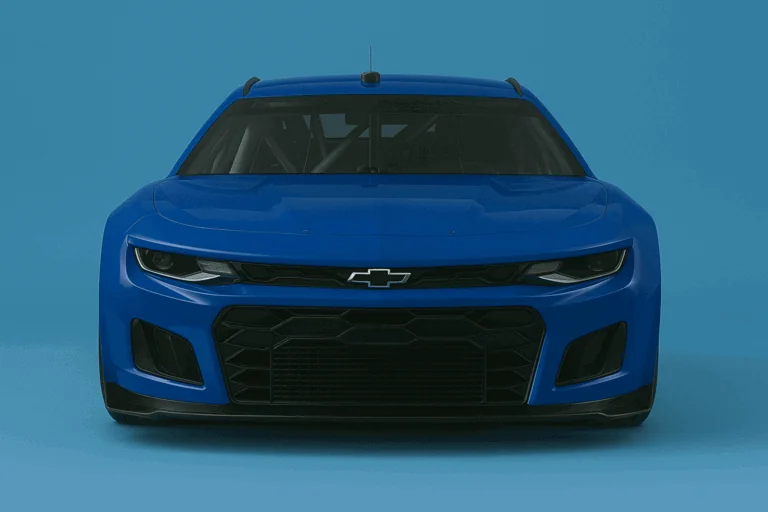
Add in the fresh variable of added struts to the front splitter—a tweak introduced prior to North Wilkesboro Speedway in mid-July—and you have a recipe for pure trial and error. While Stevens notes that aerodynamics play a far bigger role at 1.5-mile facilities than they did at North Wilkesboro, the lack of track time means teams are guessing how the change behaves at high speeds.
When you cannot rely on practice data, pit road becomes an absolute chess match. The No. 20 crew has claimed four of the last nine Busch Light Pole Awards at Kansas, though Bell is still hunting for his first victory at the track. Choosing a pit stall is an art form in the Next Gen era; while stall eight boasts the best average finish and pit-stop time, Stevens always grabs stall one when he wins the pole, despite the green-flag traffic disadvantage. “The biggest thing is the distance from the No. 1 stall to the camera,” Stevens explained. “It used to be that camera was a lot closer to the first stall, so there was a much bigger advantage on a caution flag stop.”
Via the metric, Bell will take the green flag from third position when the lights go out, while Keselowski lines up down in 16th place.