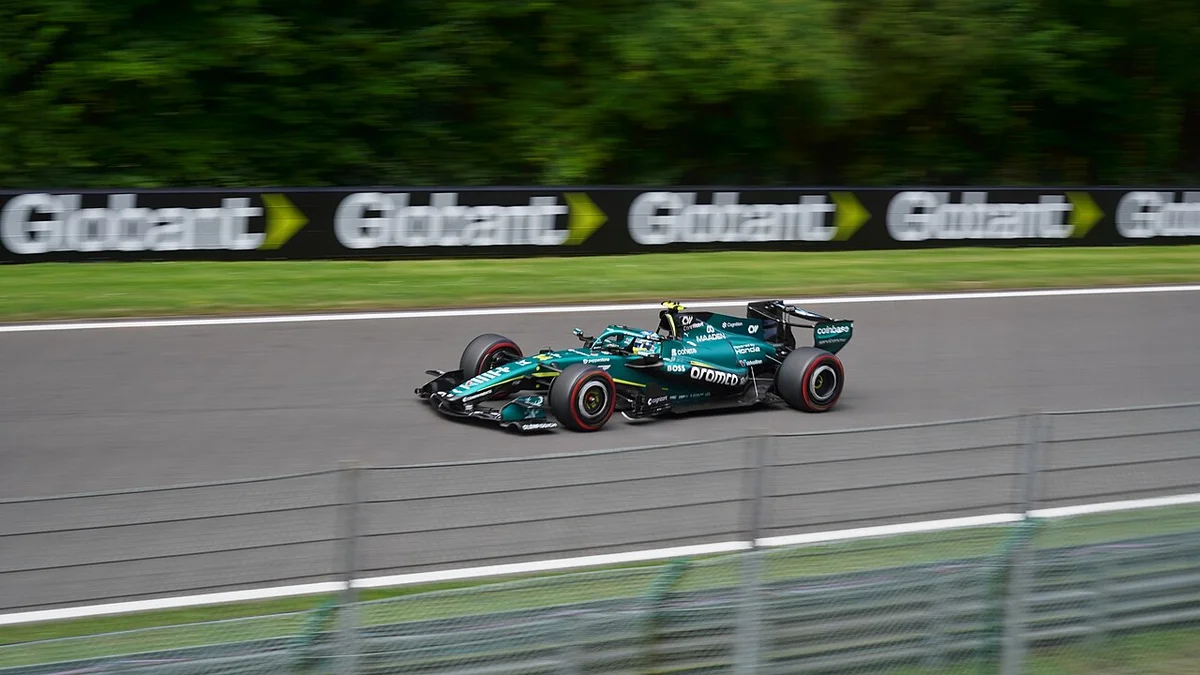


Here's the thing about Fernando Alonso: when he speaks about the soul of driving, you listen. Ahead of the Azerbaijan Grand Prix, as Crash.net reports, the two-time world champion has put forward his own proposals to fix Formula 1 after launching a stinging attack on current engine regulations that he claims have "killed" some of the greatest circuits on the calendar.
For the 45-year-old Spaniard, modern grand prix machinery demands a complete betrayal of basic racing instincts. While every other motorsport category rewards the pure pursuit of speed, Alonso argues that Formula 1 is now the solitary discipline where "you need to drive slow to go fast." It is a wild reality for a veteran of his caliber. In his view, natural progression through a lap has vanished, replaced entirely by simulations, engineers, and rigid regulations that strip away the sheer joy of attacking a corner.
Driving used to be about late braking, early throttle, and dancing on the limit. Now, according to the Aston Martin driver, you have to actively unlearn twenty years of racing instinct gathered from karting, Formula 3, and Formula 2. Instead of relying on gut feeling, drivers must overthink every single meter because everything is programmed.
That fundamental lack of enjoyment is more than just a minor annoyance; it is a massive weight tipping the scales on whether he will even continue racing next season, with his current Aston Martin contract expiring at the end of this campaign. FIA president Mohammed Ben Sulayem recently stated it would be "not acceptable" for the veteran to leave the sport in an uncompetitive place, but for Alonso, pure fun trumps Honda receiving further concessions to improve.

Thankfully, the veteran did not just stop at complaints. He offered concrete suggestions to make the machines feel "more natural" once again. His idea? Reduce the peak power of the battery for longer periods.
By flattening out the delivery, cars would maintain an increasing speed rate throughout the straight instead of hitting top speed halfway down and then having to lift and coast for the final 200 meters before attacking corners in what he calls a "weird way." If implemented, the speed trace would finally resemble a proper race car again. Whether anyone in power is brave enough to listen to him remains to be seen, but when a driver of his stature demands a machine that lets him drive fast, the sport would be foolish not to pay attention.