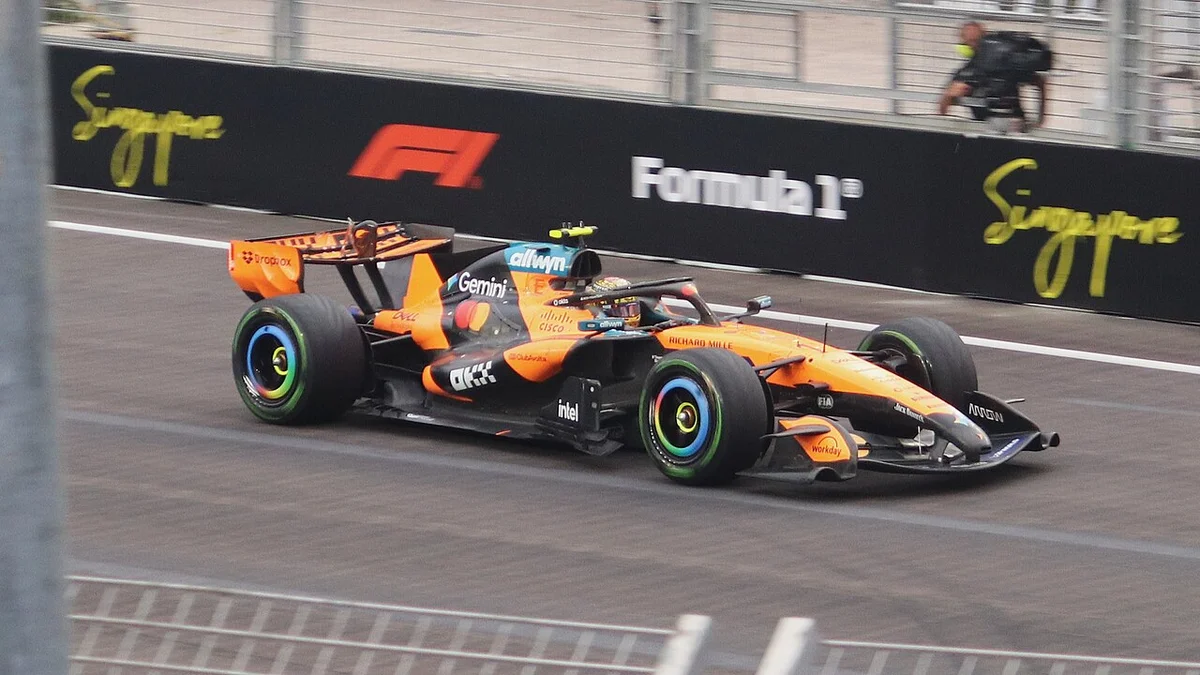


The 2026 Formula 1 campaign for McLaren was an exhausting chase, according to Motorsport.com España. Team principal Andrea Stella has laid bare the trio of factors that wrecked their championship hopes: a three-month development delay, the brutal hangover from the 2025 title fight, and the structural disadvantages of being a customer team at the dawn of a new power unit era. Far from making excuses, Stella offers a brutally honest post-mortem of a season spent constantly playing catch-up.
That three-month delay on the 2026 machine was no after-the-fact calculation. The Woking outfit spotted the gap in their own development curves by looking back at 2025, a year where pushing flat-out to defend against Red Bull's late charge drained vital resources. Adding to that exhaustion was the immense political and operational strain of managing Lando Norris and Oscar Piastri through a fierce internal title battle. Stella calls it the hardest season of his 26-year F1 career, noting the daily toll of keeping the team environment stable while trying to ready a brand-new car.
Then came the reality check of being a Mercedes customer under the new regulations. While McLaren previously won world titles with customer engines, 2026 changed the rules of engagement. Mercedes HPP had to prioritize its works operation, leaving McLaren lagging behind on cooling integration, power curves, and gearbox ratios. The client status dealt another blow when proprietary intellectual property laws barred Mercedes F1 and HPP from sharing specific optimization software with McLaren. They had to build equivalent tools from scratch, losing precious time.
On track, those setbacks manifested as brutal inefficiencies. In Baku, the car could not dump its battery energy from the final corner down to the start-finish straight. Melbourne brought crippled energy management, while reliability disasters in China stopped both cars from even starting. Upgrades in Miami and Hungria brought clear steps forward, but rivals were never standing still.
Yet Stella remains fiercely optimistic for 2027. The technical relationship with HPP is maturing, those missing software tools will finally be available, and a less politically suffocating 2026 has allowed engineers to focus fully on the upcoming machine. Having tasted constructors' glory, Woking refuses to lower its sights.

 F1
 F1