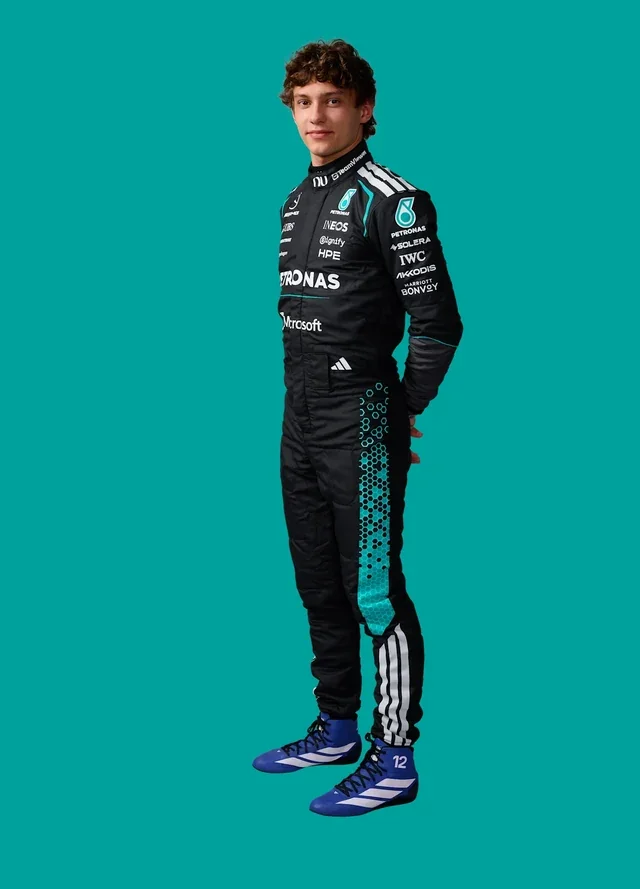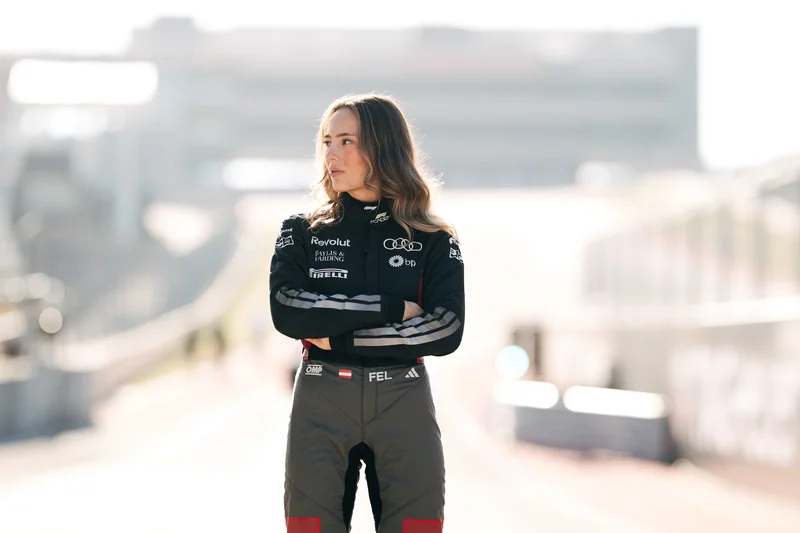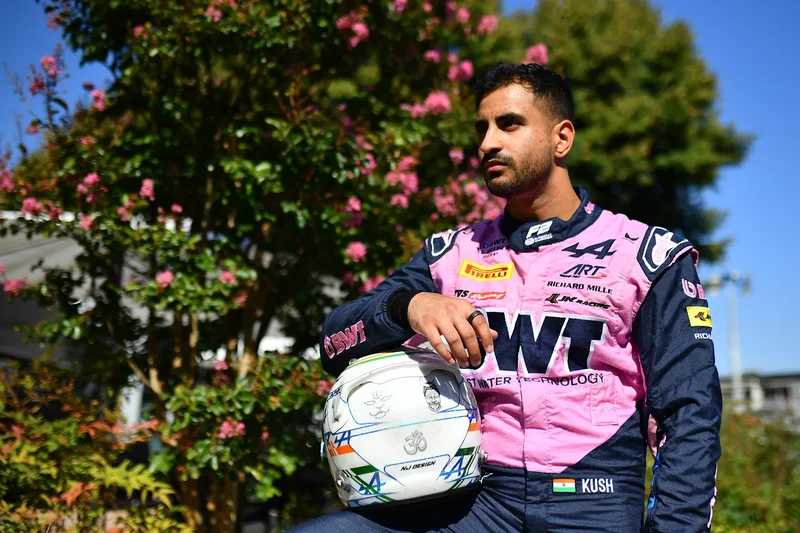
When Formula E heads to Circuito de Madrid Jarama – RACE for pre-season testing between 16 and 20 November, lap times often take a backseat. In a championship where speed is everything, it might seem strange that drivers spend hours simply circulating without chasing the top of the timesheets. But testing is about gathering data, not collecting points for a 21-race calendar.
Here is the thing: testing is all about finding out what works and, crucially, what does not. Teams care far more about the lap count column than the lap time column. If a car is completing heavy mileage without stopping and feels good to drive, the garage is happy. Mechanics might also introduce updates during the week, running checks to make sure fixing one bug does not trigger another elsewhere.
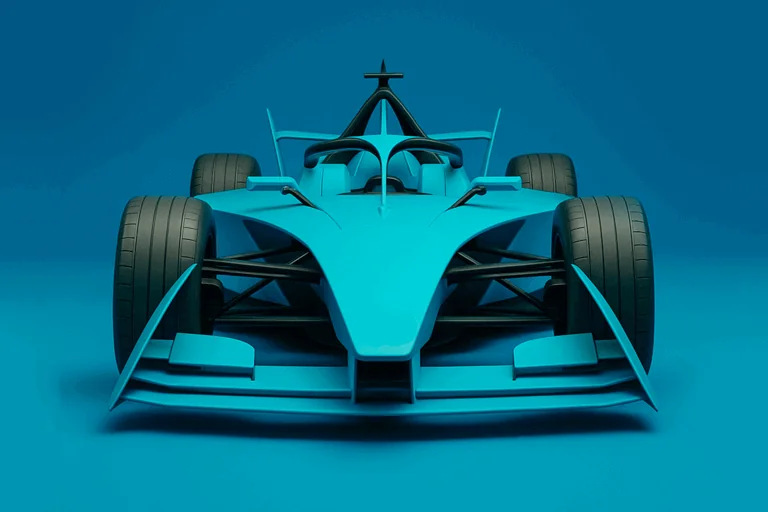
There is plenty of reason to tune in, even if it lacks the heart-stopping drama of race day. Think of it as a movie trailer for the season ahead. It gives fans their very first look at new drivers, fresh teams, and brand-new liveries in action together. Most importantly, testing marks the track debut of the all-new GEN4 machines running as a full pack. These beasts are Formula E's fastest and most exciting generation of car to date, promising faster racing and drivers pushing right to the max.
So, why do cars sometimes spend ages sitting in the garage during a limited three-day test window? Sometimes an unexpected mechanical snag requires mechanics to frantically work behind closed doors. Other times, the crew is making major setup changes, or the driver is deep in an engineering debrief. Track conditions play a role too; if the surface is too wet or cold, running becomes too risky and the data loses its value.
Drivers and teams also play strategic games during testing, occasionally resorting to what the sport calls sandbagging. While nobody is literally filling the car with sand, teams might deliberately underperform to keep expectations low. This can involve running extra ballast beyond what is necessary or dropping into a lower power mode before surprising rivals in qualifying. Some drivers even light up the first two sectors of a lap before intentionally lifting off to stay off the top of the timesheets.
Ultimately, testing is completely point-less in the literal sense, but the information gathered lays the foundation for the early part of the year. While the driver at the top gets bragging rights for being quickest, the real goal is laying the groundwork for when the lights finally go out.

 Formula E
 Formula E
 Formula E
 Formula E
 Formula E
 Formula E