When the lights go green at pre-season testing and the machines finally hit the tarmac, it is only natural to immediately lock onto the timing screens and try to crown a winner for the upcoming championship. But inside the garages, chasing the fastest lap time is rarely the primary goal, particularly when everyone is getting to grips with a brand-new generation of race car.
Getting to testing marks the shift from operational readiness straight into race readiness. Teams have to figure out how to manage two-car operations with a single pit boost station, coordinate checklists with limited staff like a single tyre technician and tyre engineer, and connect with mission control back at home. Procedural sign-off is a massive part of the job here. The garage has to practice what happens during a red flag or a safety car, working out the kinks so tweaks can be made before the first race of the season.
Operational excellence remains crucial, but performance testing still takes its share of the spotlight. Squads make full use of having two cars available, allowing them to test items scientifically and compare data across different drivers working from the same baseline. The focus heavily centers on tyres and control systems, while drivers simply need to stack up mileage since they have not driven these cars enough yet and every circuit is new. You might catch some qualifying simulations or race exercises, though teams keep strategies vanilla to avoid showing their hand. Some squads will even go to the extreme detail of running the car off-track on Friday to pick up rubber and weigh the tyres, simulating post-race conditions to see how much debris they can grab.
Engineering units in Formula E are notably compact compared to the massive scale of Formula One, meaning many engineers listen in from home, read reports, and join trackside meetings virtually. For experienced squads, this runs like clockwork, but for new teams it is a baptism of fire. With mechanics and drivers who have never run a Formula E car before, the championship presents a massively steep learning curve because these machines are super complicated and undeniably difficult.
Measuring success in testing has nothing to do with topping the timesheets. Instead, success is about sticking to a plan, hitting mileage targets, and completing run plans. If a team set out to test ten things and walked away with a clear read on seven of them without any issues, that is a successful test.
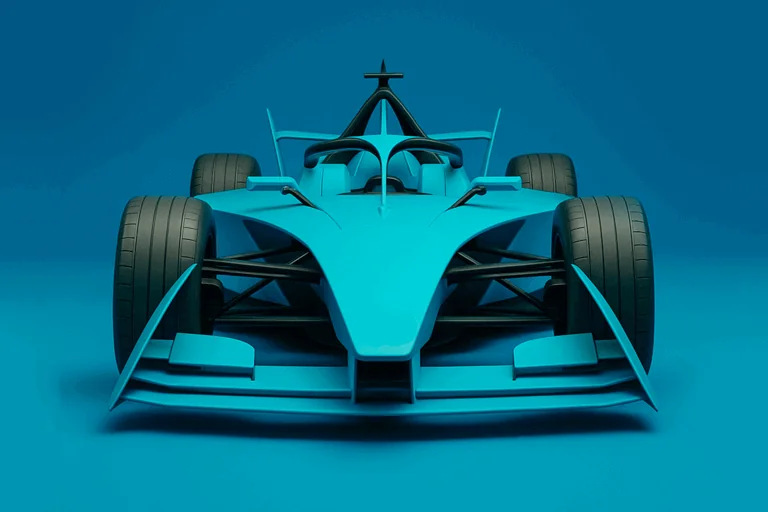

 Formula E
 Formula E
 Formula E
 Formula E
 Formula E
 Formula E