

That said, the future of the sport's power units is up for discussion. According to Motorsport.com Deutschland, the Formula 1 Commission is meeting in London on Monday to evaluate unapproved regulations for 2027 and lay the groundwork for engine development. FIA president Mohammed Ben Sulayem wants to bring the new regulations forward to 2030.
The conversation is currently pointing toward a 90-degree V8 internal combustion engine. On displacement, there are two distinct proposals on the table. One option is a 2.1-liter engine, which simply tacks two cylinders onto the current 1.6-liter architecture so manufacturers do not have to start from scratch.
The alternative is a .6-liter displacement. That capacity was originally intended for a naturally aspirated V8, but the idea now involves adding a turbocharger to boost efficiency and output compared to current standards. A biturbo setup, however, has already been discarded.
With the 2,600 cc engine, the turbo would be very small, operating with a boost pressure capped at 1 bar. The smaller eight-cylinder option would require higher boost pressure. Disagreements also exist on the electrical side. Some factions want an MGU-K delivering 100 kW, while others prefer a total of 200 kW, split so that only 100 kW is used continuously while the remaining 100 kW is reserved for push-to-pass.
There are also debates regarding the rev limit, driven by the desire to bring back a proper engine sound without crossing into excessive noise, particularly given the heavy presence of street circuits on the calendar. Current gear changes happen at 12,500 rpm, but the anticipated limit sits between 15,000 and 16,000 rpm. Even though turbochargers tend to dampen acoustics, the sonic bump will be substantial.
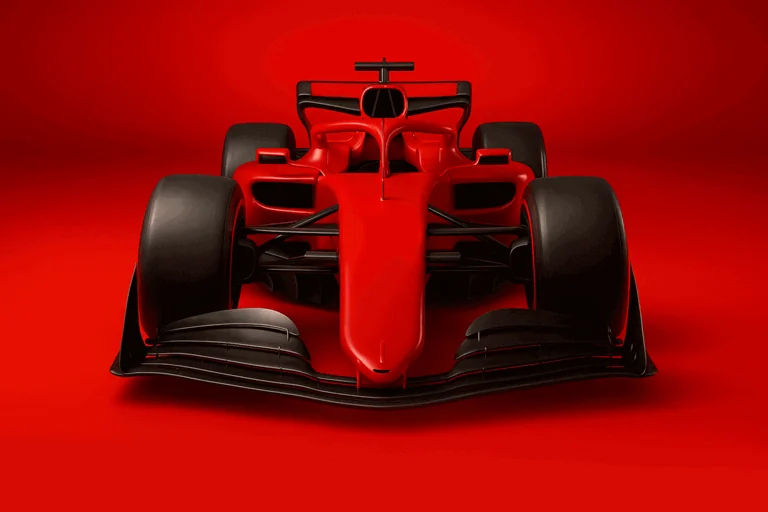
Beyond engines, Formula 1 has set a target to make the cars 80 kilograms lighter by 2030. Roughly 30 kilograms of that reduction could come purely from simplifying the power units. Alongside this diet, there is hope of shrinking individual engine costs down to between 500,000 and 600,000 euros.
Rulemakers are additionally eyeing a plan to cut the budget cap in half. Yet this ambition sparks concern among some, who fear that slashing spending will not just lower power unit expenses, but force manufacturers into workforce reductions just like the initial introduction of the financial cap did.
 F1
 F1