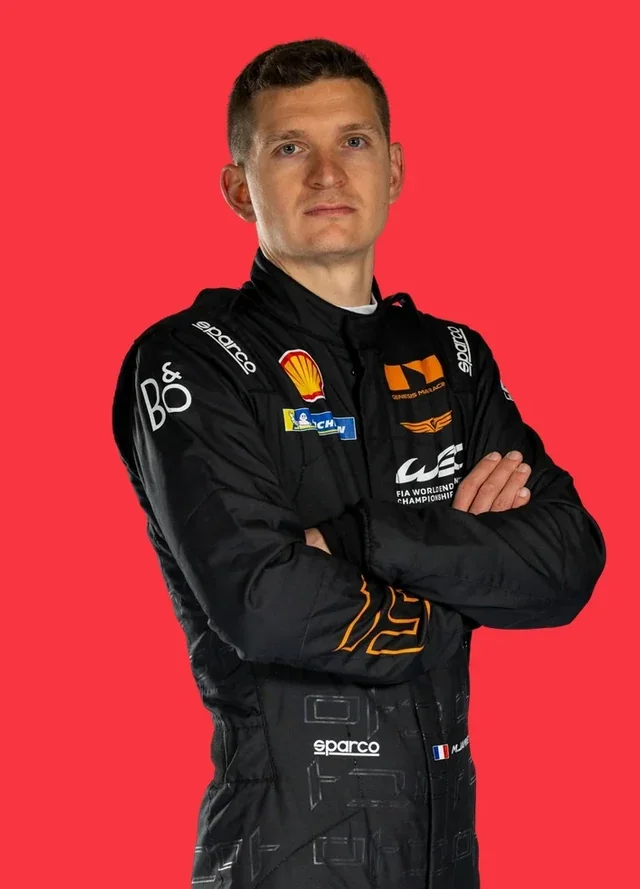
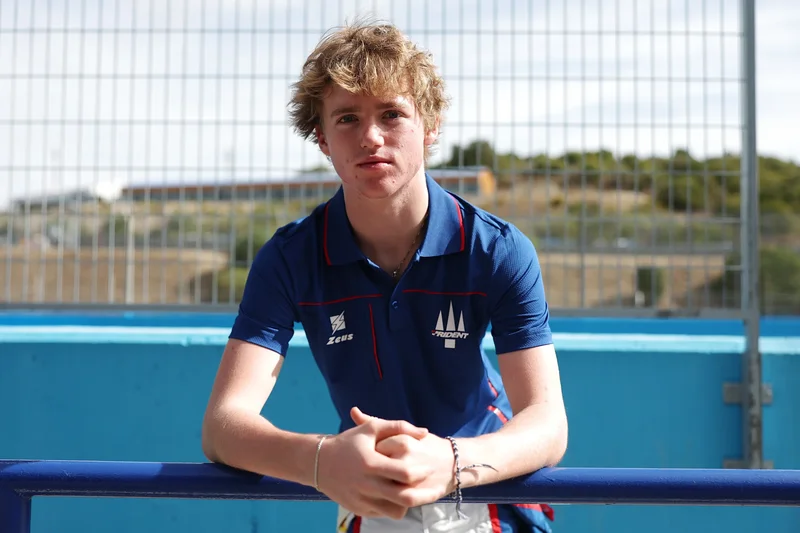
Fifty years is a lifetime in any trade, but in the carnivorous world of Formula 1, surviving half a century is nothing short of a miracle. As Motorsport.com Italia reports, Enrico Zanarini has seen the paddock transform from top to bottom since he started out in 1975 running an Autodelta car and two drivers, yet his passion remains entirely unbattered. From Eddie Irvine and Alessandro Zanardi to Giancarlo Fisichella, Antonio Giovinazzi, Vitantonio Liuzzi, Antonio Fuoco, and now Rafael Camara, his career is a staggering roll call of motorsport grit.
Some moments cut deep enough to last a lifetime. Back at the 1993 Portuguese Grand Prix, Emanuele Naspetti was fighting for his Formula 1 survival and needed to beat teammate Rubens Barrichello in qualifying. But right as Naspetti launched his final set of tires for his ultimate flying lap, none other than Ayrton Senna came trundling out of the pit lane and completely ruined the attempt. Zanarini remembers sitting in a TV room afterwards, completely destroyed, staring blankly at a Nike commercial. The ad flashed two simple words on a black screen: "Try Harder." It became his eternal motto.
Management back then was raw, personal, and sometimes chaotic. Take Eddie Irvine, a man who gave Zanarini endless headaches with his unpredictable mood swings, yet remains a lifelong friend. Three decades later, the two are heading off on a holiday together to Peru, proving that some driver-manager bonds survive long after the checkered flag drops. Zanarini insists that beneath the technology and the smartphones, today's drivers are fundamentally the same species when the visor goes down. They are all fierce competitors.
The business itself, however, has evolved. Red Bull under Helmut Marko was practically closed for dialogue unless you managed Max Verstappen, and Mercedes operates with a similarly authoritarian wall. But Ferrari has always respected the trade, maintaining a collaborative relationship that stretches from the Irvine era all the way to their current five drivers under Zanarini's umbrella, including fresh Haas debutant Rafael Camara. Working with Camara has meant resetting expectations entirely—shifting a driver who was used to fighting for wins and pole positions into a team where those results are out of reach for now.
Comparing raw talent is a dangerous game, but Zanarini notes that Giancarlo Fisichella comes closest to Camara in terms of pure speed, albeit with a vastly more extroverted personality. Beyond the drivers themselves, Zanarini jokes that managers deserve a specialized degree just for dealing with parents, who pour their hearts and fortunes into their kids' careers.
The paddock has mellowed out since the days when team bosses ruled like feudal lords. Zanarini recalls an encounter with Ron Dennis near Imola after Fisichella won the Brazilian Grand Prix, where Dennis was overtly arrogant and dismissive. By contrast, current McLaren boss Zak Brown shares a kindred spirit with Zanarini, who proudly describes himself as a used car salesman at heart—someone who learned from showroom floors to listen to every single person who walks through the door.
Now, the future of the agency is being handed over to Francesco Principe, who handles the Camara project in a true mentoring symbiosis. After fifty years of dodging disasters and chasing dreams, leaving the sport is simply not an option for Zanarini. As he puts it plainly, he would drop dead the very next day.

 F1
 F1