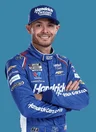
The 2026 NASCAR season has officially crossed the finish line, and the national series have their champions. At Homestead-Miami Speedway, Kyle Larson put on a masterclass to claim the NASCAR Cup Series honors, securing his third career title in the process. This year brought a completely different flavor to the postseason with the return of a Chase-style format. Suddenly, start-to-finish consistency and timing your race wins became everything. The fresh landscape delivered plenty of speed, strategy, and just enough luck to cap off the campaign in rousing fashion.
Dustin Albino pointed out just how grueling a seamless 10-race stretch can be, noting that top contenders repeatedly stumbled while Larson capitalized. Despite a 34th-place DNF at Phoenix, Larson put together a remarkable 7.3 average finish across the postseason. That built an insurmountable advantage, clinching him the championship with nearly 300 miles left in the season finale. Meanwhile, regular-season favorites and contenders fell apart. Denny Hamlin entered as the No. 1 seed but saw his hopes derailed by costly miscues at Darlington, Las Vegas, and Phoenix. Christopher Bell made uncharacteristic mistakes in the final three races, Ryan Blaney suffered four finishes of 33rd or worse at tracks where he typically shines, and Chase Briscoe dug an early hole with three finishes of 27th or worse in the first eight races.
Zach Sturniolo highlighted how brutally the new 10-race mini-season penalizes mistakes. While race wins pay a minimum of 55 points and stage points can rescue an 18th-place finish at Darlington Raceway into a 35-point salvage operation, error costs are staggering. Hamlin's early advantage melted away as on-track mistakes hemorrhaged points from his totals, resulting in a miserable haul of just 21 points at Phoenix Raceway.
Pat DeCola observed an intriguing battle between the sport's rising youth and its battle-tested veterans. Earlier in the year, Ty Gibbs, Carson Hocevar, and Corey Heim earned their first Cup victories at age 23 or younger, alongside Ryan Preece who won at Daytona in August. Yet once The Chase arrived, the breakthrough wins stopped entirely. Across 10 races and seven different winners, every single victor was between 28 and 36 years old with no first-time winners or outside party crashers breaking through. The established elite reminded everyone why they sit at the top.
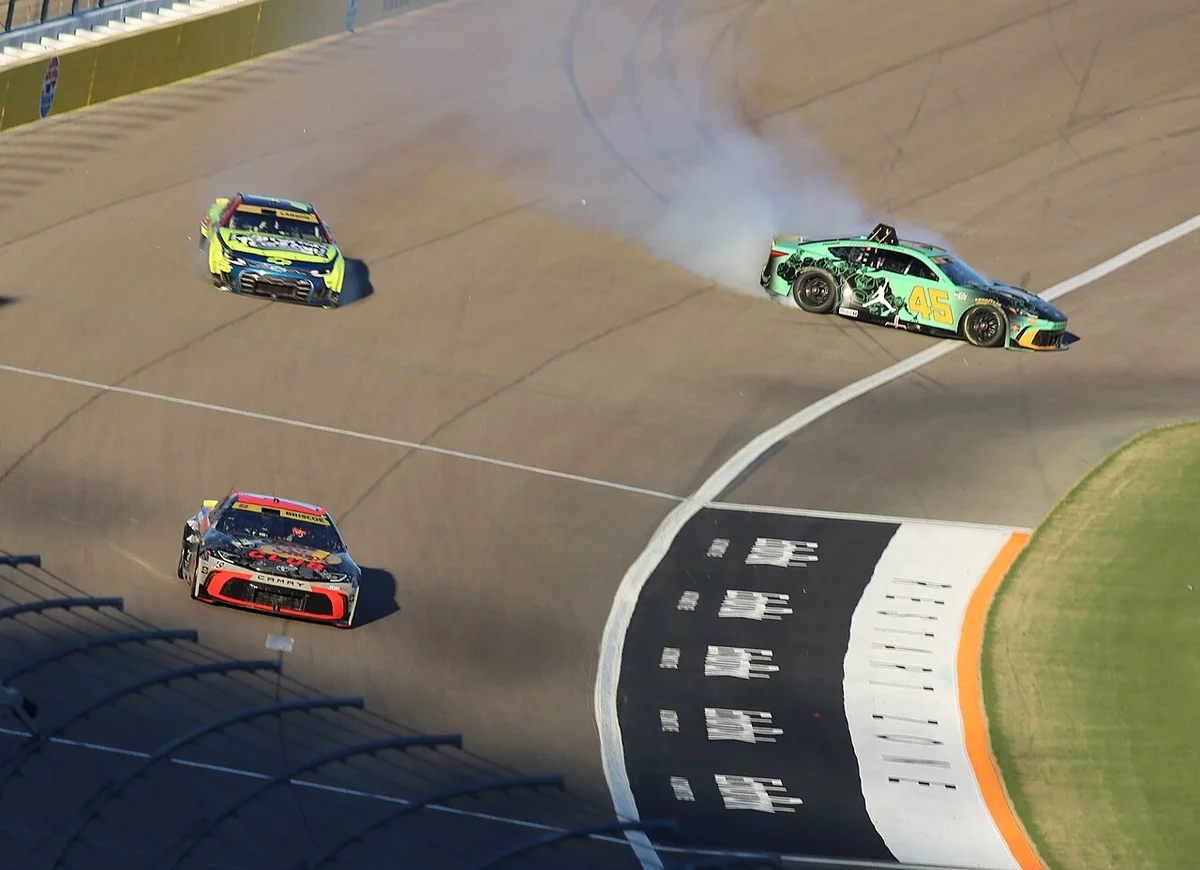
Cameron Richardson emphasized the supreme value of the almighty win in this old-is-new format, noting how victories built crucial buffers. Larson won two of the first four races to pocket 40 more points than his rivals, weathered a disastrous Phoenix outing that netted just three points, and slammed the door shut with a third victory at Talladega. Wins kept Bell, Briscoe, and Logano in the hunt, while Tyler Reddick pulled off a Phoenix stunner that vaulted him into striking distance after a pedestrian first six races.
Finally, Zack Albert dismantled the predictive models regarding the "Mythical Top Six." Racing Insights analytics projected that 85% of simulations favored a top-six regular-season seed taking the crown. But Larson bucked the math entirely, surging to the championship from a humble No. 7 starting point to prove that titles are won on the asphalt, not in a computer lab.