Here is the wild thing about engineering in the premier class: you can try to legislate physics away, but brilliant minds will always find a way around it. According to Motorsport.com Italia, Honda technical director Romano Albesiano firmly believes that aerodynamics will play an even more vital role in MotoGP when the brand-new technical regulations arrive next year.
The championship is undergoing a massive overhaul for the upcoming campaign, introducing sweeping changes across engines, aerodynamics, and even a switch in tyre suppliers. All of this forms part of a broader push to make grands prix safer, more sustainable, and ultimately more spectacular. Since Ducati kicked off a styling revolution in the mid-2010s by strapping wings onto their machines, aero has dominated the design landscape—and taken much of the blame for making it notoriously difficult for riders to follow one another closely through the corners.
I hope next year will be less critical in terms of front tyre pressure management. I hope so, but I don't know,
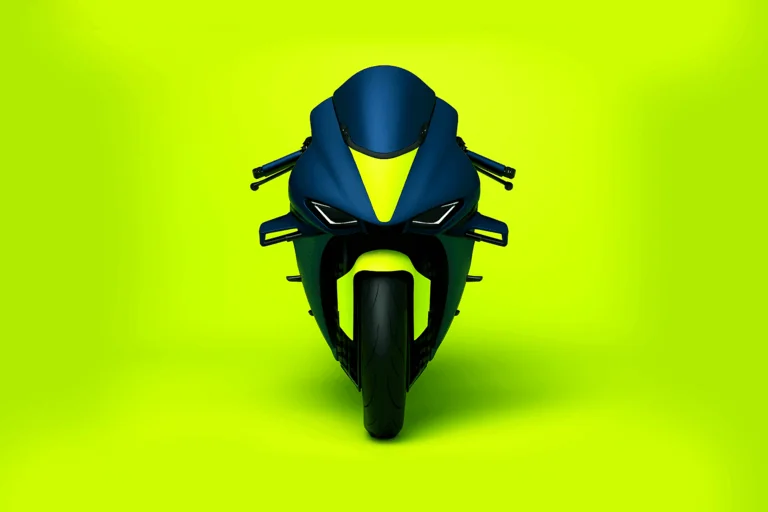
The 2027 rulebook attempts to reverse that trend with strict limitations on the size and use of aerodynamic appendages. The maximum width of the front fairing shrinks from 600 mm down to 550 mm, its foremost point is pulled back by 50 mm, and the rear taper gets narrower, too. These modifications will drastically alter how these beasts look on the grid. Yet Albesiano warns that the overarching development philosophy isn't going anywhere.
"The rule is changed, with the aim to reduce aero, especially the wings. Probably there will be less downforce from the wings," Albesiano explained. But he immediately pointed out the catch that every rival engineer knows too well: "Today, engineers work on airflow around all the motorcycles. It's not just the wings. The wings catch the attention, but engineers work on air pressure in every single part of the motorcycle. So I think in the future it will be even more important."
Far from just relying on front winglets, developers are now treating nearly every exterior component as an aerodynamic surface. When asked where the battlegrounds lie, Albesiano pointed straight to the fairings—specifically the lower sections—along with the tail. Even structural and functional components have been co-opted into the aero war. Look at the swingarm, which has morphed into a dedicated aerodynamic device, or the exhaust system, which can no longer be built solely for engine output without factoring in how it slices through the surrounding air.
Beyond the aero debate, Albesiano also flagged front tyre pressure management as a massive thorn in the side of good racing, noting that it severely impacts Grands Prix even if qualifying remains unaffected. With Pirelli stepping in to replace Michelin as the official tyre supplier in 2027, the paddock waits to see if those troublesome minimum pressure limits will finally loosen their grip on the racing spectacle. "I hope next year will be less critical in terms of front tyre pressure management. I hope so, but I don't know," Albesiano admitted.
 MotoGP