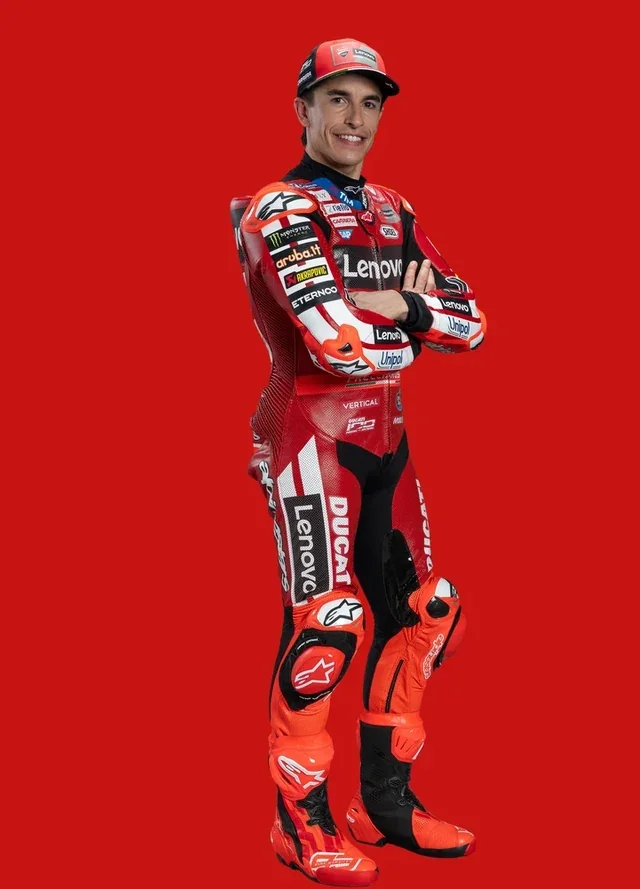
As Motorsport.com Italia reports, the recent MotoGP event in Qatar might have looked normal enough on the surface inside the paddock, but it leaves behind deep and complicated scars. Over the past month and a half, the grid ratcheted up the pressure on championship promoters who were determined to honor their contract with the Qatari government. That agreement mandated the race must go ahead unless a strict force majeure could be invoked. With several nations issuing travel warnings for the region following conflict between the United States and Israel against Iran, there was still no outright legal ban. Without that hard rule, cancellation would have meant breaching the contract. Meanwhile, officials from MotoGP Sports Entertainment Group (MGPSEG) relied on safety assurances from Qatari authorities, who committed to covering any potential fallout from an escalation.
The weeks leading up to the race exposed an incredible level of tension between the competitors and MGPSEG, leaving behind far more losers than winners. The biggest casualty is the image of MotoGP, which takes a massive hit from the fractured relationship between the show's main stars and the people running the show. No reasonable person would call racing in Doha the ideal choice right now, but this is far from an ideal world. Deciding whether to cancel a grand prix carries massive economic consequences, sends powerful messages, and risks severe repercussions. Looking ahead at upcoming Formula 1 grands prix in Qatar and Abu Dhabi, it is worth wondering what the vocal critics shouting on social media would have done if the heavy burden of that final decision rested on their shoulders. Once the event wrapped up safely without incident, all that noise vanished instantly, with those same voices moving straight along to chase their next batch of followers.
Still, that online posturing does not excuse the leadership from their duty to sit above the fray. Racers are individualists by nature, meaning the burden falls squarely on management to protect the common good of the championship. The organization now faces some serious soul-searching to avoid exposing the sport to this kind of prolonged wear and tear. Both sides need to close the gap, though those steering the political side of the sport hold vastly superior tools compared to individuals whose primary focus is simply driving faster than everyone else. Ultimatum tactics, such as the one delivered at Sepang involving lawyers and threats of sporting sanctions, cross a red line that should never be approached for the sake of the series.
Amidst all the chaos, comments from Carlos Ezpeleta, MotoGP deputy sporting director, offered a small glimmer of hope straight from Losail by admitting that they were more exposed than other sports visiting the area, acknowledging that they need to improve how they work with teams and riders moving forward. A separate issue arose when Yamaha Factory Racing exercised an employment contract clause to ban its staff from traveling to Qatar. While entirely legitimate, dropping that announcement at six o'clock on the Sunday evening after the Malaysian Grand Prix and drawing a sharp condemnation from MGPSEG certainly raised questions about whether a less damaging path existed.
While organizational flaws were dragged out into the open, the riders also hit the limits of their own position. Stepping up to tackle a deeply complex political issue left them vulnerable not just to series bosses, but to their own teams as well. Their lack of internal unity was alarming, missing a prime opportunity to finally organize around a proper representative association. That same fragmentation bled into their relationships with their respective teams, a dynamic that stands in stark contrast to the way things operate in environments like Formula 1, where disagreements are handled behind closed doors rather than shouted from the rooftops.

 MotoGP