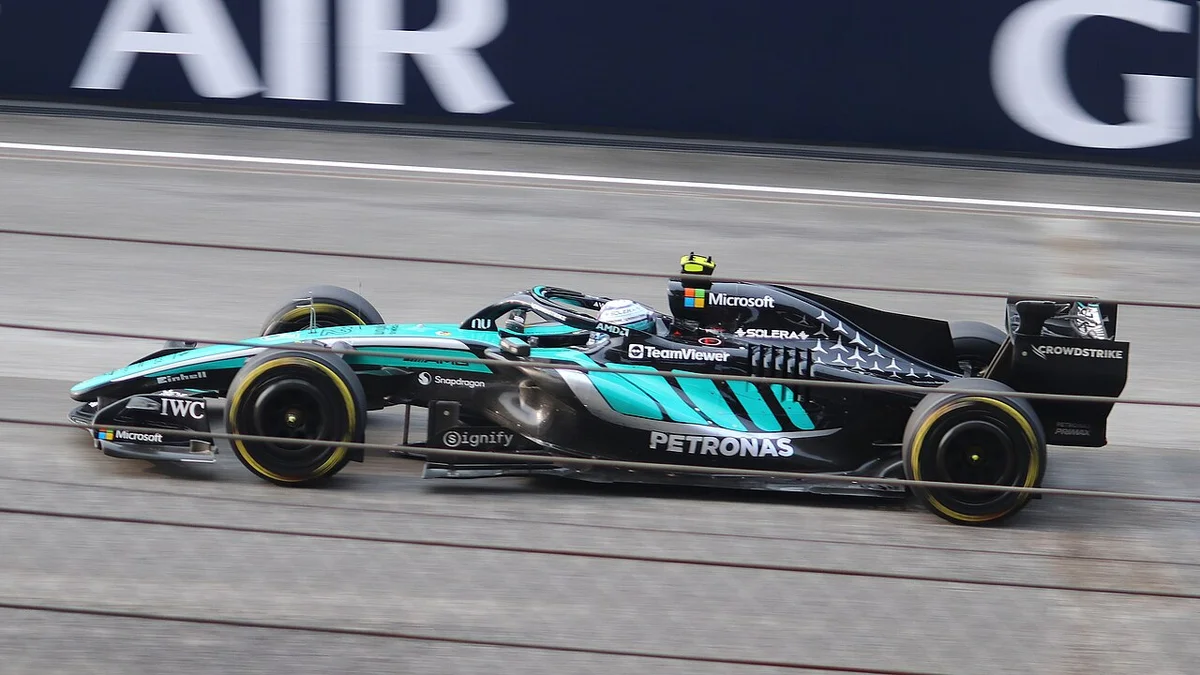


History often rhymes, and Formula 1 is no exception. As The Race reports, looking at how past major rules-change eras unfolded provides a fascinating roadmap for what lies ahead, even if the current grid is rewriting the script. When sweeping technical changes hit the sport—such as in 2009 with Brawn GP, 2014 with Mercedes, or 2022 with Red Bull—the inaugural season usually offers a clear preview of future supremacy. But the 2026 campaign has thrown a massive curveball into that traditional trajectory.
While Kimi Antonelli and George Russell fired out of the gate to secure both championships for Mercedes by laying down stellar early foundations, the second half of the year told a completely different story. A closer look at the constructors' standings reveals that Mercedes has cooled off significantly. Over the last five rounds leading up to and including Brazil, Red Bull led the way with a total of 152 points and an average of 30.40 per round, followed by Ferrari with 132 total points and a 26.40 average. Mercedes slumped to third in that specific five-race window with 114 total points and a 22.80 average, while McLaren collected 92 total points for an 18.40 average.
This fierce four-way battle has created an unpredictable landscape where nobody holds a permanent edge. Mercedes team principal Toto Wolff, despite celebrating getting his squad back to title-winning ways, admitted that runaway eras are likely a thing of the past. Pointing out how quickly an upgrade can fail and drop a team down the road to third, Wolff noted that he does not foresee teams stringing together four or eight championships in a row anymore.
Instead, the grid is currently locked in what McLaren team principal Andrea Stella vividly described as a 'ping pong' season. Development steps bounce the competitive order back and forth, with teams unable to establish a lasting hierarchy. Stella highlighted the sheer development rate under the cost cap, noting that if teams raced with their Australia season-opener specs, the cars would be one and a half seconds slower than their current pace. Yet, because the FIA designed the aerodynamic regulations to be fiercely restrictive—limiting the volumes where designers can place aero devices to prevent dirty air and promote overtaking—gains are hard-won and diminishing returns arrive quickly.
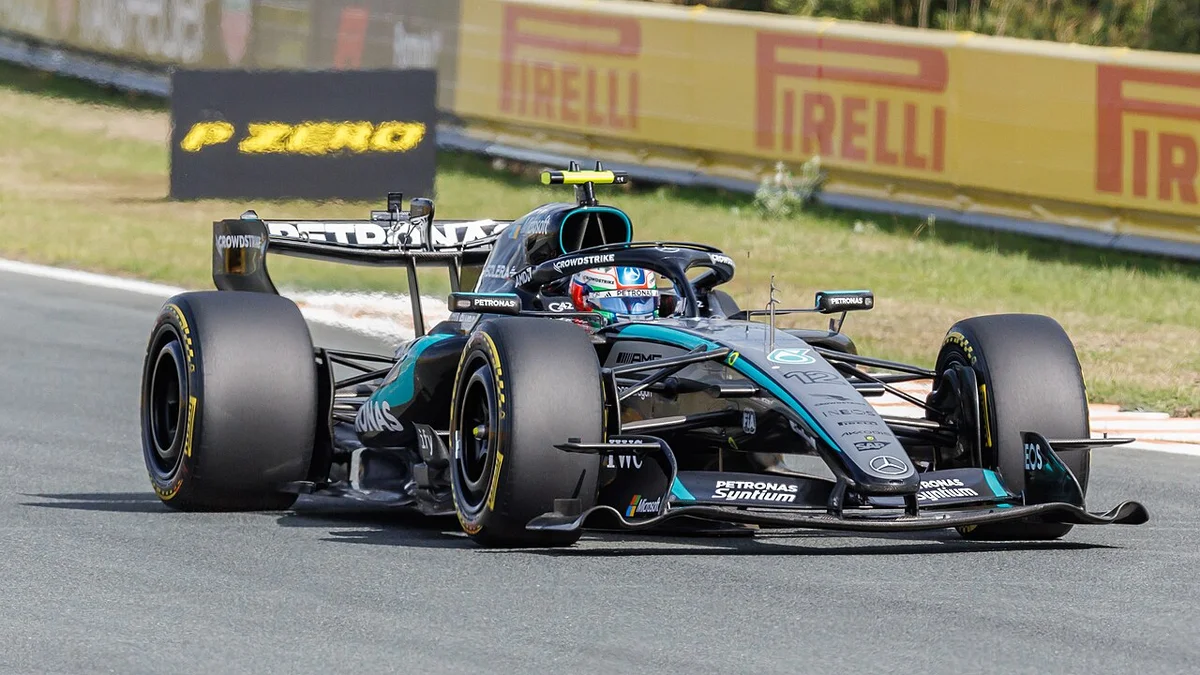
Red Bull team principal Laurent Mekies echoed this sentiment, pointing out that convergence is happening earlier than expected due to those tight regulations. Even so, seeing visibly different concepts fight at the front makes for a brilliant spectacle where nobody can predict the winner on any given weekend. Ferrari team principal Fred Vasseur believes this rapid shuffling stems from the immaturity of the new rules, which allow for big leaps when upgrades land, though he expects performance to converge further next year.
For Mercedes, the changing tide means the battle for the future is already underway. Having secured just one win in the last five rounds, Wolff is acutely aware that the opposition from Ferrari, McLaren, and Red Bull will only intensify. As far as the Silver Arrows are concerned, preparations and battles for the 2027 season have already begun.

 F1
 F1