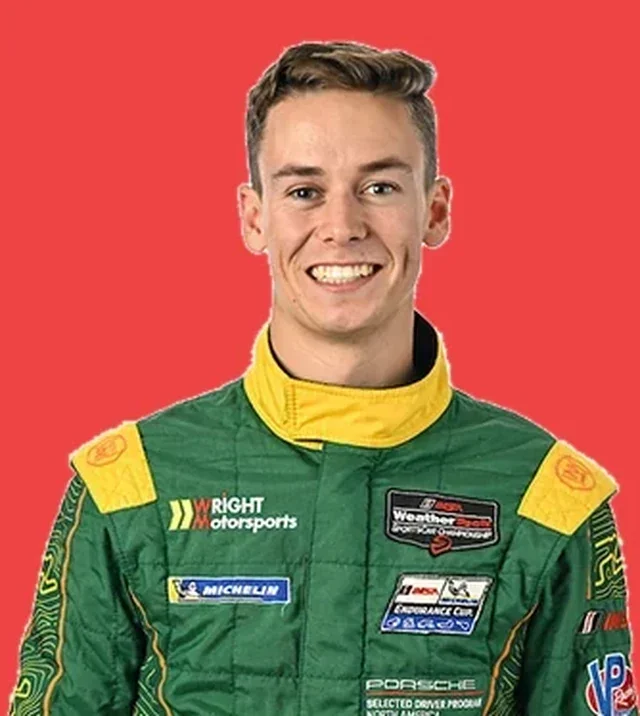
As The Race reports, Honda has been hit by a worrying return of Formula 1 reliability problems, including a brand new issue that the manufacturer might not trace before the end of the season. Aston Martin and engine partner Honda endured their third DNF of the triple-header in Brazil, where Lance Stroll retired for the second consecutive race.
Stroll suffered two separate battery problems over the course of the Brazil weekend and failed to reach mid-distance in Sunday's grand prix. That leaves Stroll with just six finishes from the 20 races held this season, while team-mate Fernando Alonso has recorded seven retirements of his own. There were some relative flashes of optimism recently, as Alonso scored points in Malaysia five races ago, showed surprisingly good pace at Austin despite sustaining significant floor damage on the opening lap, and excelled in the wet in Brazil.
At Interlagos, Alonso comfortably delivered Aston Martin and Honda their best qualifying result of the year by reaching Q3 for the first time and lining up eighth on the grid. Unfortunately, this progress has been badly undercut by a return of significant fragility reminiscent of Honda's difficult start to 2026. Reliability problems also derailed Alonso's chances in Mexico, where he had looked competitive and closer to the top 10 than normal. That issue was related to the cooling system inside the energy recovery system, whereas the battery trouble for Stroll in Brazil sounded a clear alarm bell.
Shintaro Orihara, Honda's lead trackside engineer, acknowledged that "we know what happened, but we don't know what is the root cause." He admitted it may take a few weeks to find the underlying issue, though data analysis must yield a countermeasure for the next race in Las Vegas while Honda traces the problem properly for 2027. "We need to find the actual root cause of this error for next year," he said. "Otherwise, we keep having the same issue."
This failure differed from the MGU-K problems in Mexico, but the theme of a lack of robustness remains. Now Honda knows what happened but not why, mirroring the start of the year when problems emerged out of the blue compared to dyno testing. This represents a regression from the middle of the season when cars were finishing races regularly, allowing Alonso to score points when the Aston Martin was heavily upgraded. Orihara noted that reliability was simply better then, but has now been replaced by several issues in recent races, which could be related to component mileage or pushing the engine harder for performance.
With Honda CEO Toshihiro Mibe present in Brazil—an appearance Orihara said had a galvanising effect, despite two battery issues occurring that weekend—the problems were witnessed firsthand by the top boss. Orihara noted that Mibe "knows what is happening trackside" and will bring that experience back to Japan to boost development. Troubleshooting now consumes valuable human resources, limited dyno hours under F1's development limits, engine cost cap money, and precious time as the clock ticks toward 2027.


 F1
 F1