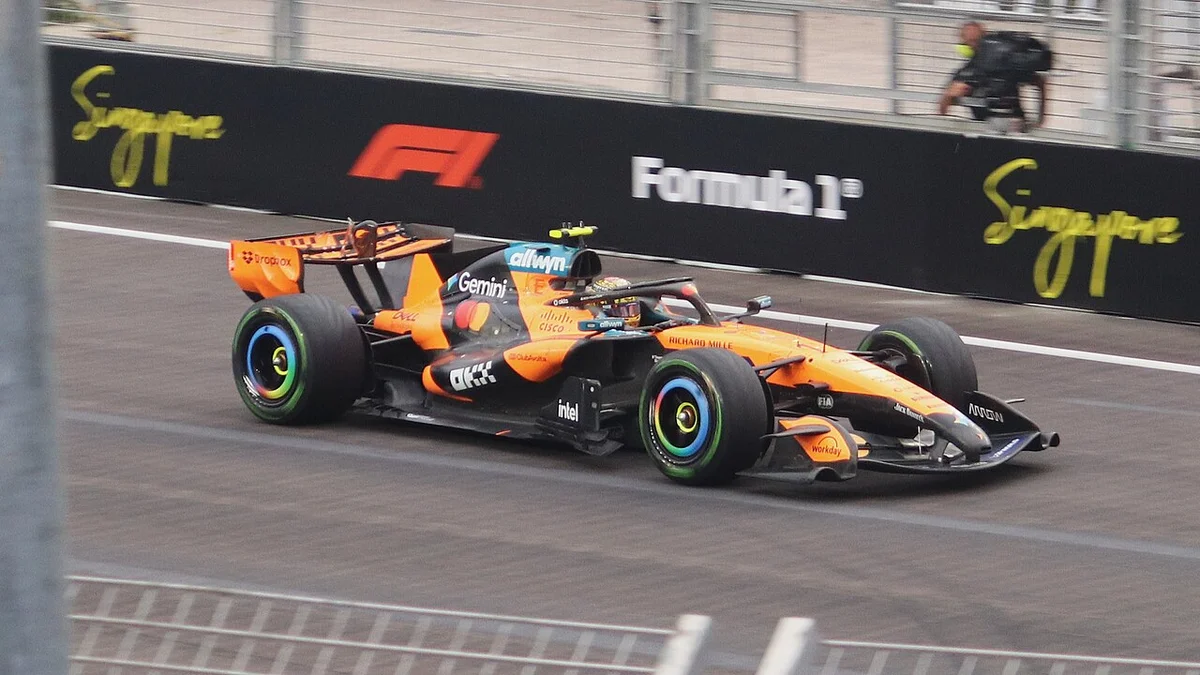

As Motorsport.com España reports, Formula 1 drivers are hoping that official tyre supplier Pirelli can bring major improvements to its wet weather tyre range by 2027. The current generation of F1 cars put both intermediate and full wet compounds to the test during the Brazilian Grand Prix following partial rain interruptions earlier in the year in Malaysia and Singapore. Standing water and aquaplaning risks forced a qualifying suspension of over an hour in Brazil, where drivers relied on extreme wets in Q1 before moving to inters. The grand prix itself began and ended on intermediates with a dry spell in between, easing early concerns about how 2026 machines would handle wet tracks.
Yet despite an entertaining race where Pirelli's wet tyres performed largely as expected within their operating window, drivers pointed out that the stiffer intermediate tyres struggle with low temperatures. Because Interlagos sits as one of the calendar's easier venues for bringing rubber into an optimal operating range, competitors voiced serious concerns about circuits where generating temperature proves far harder, such as the upcoming Las Vegas street track. Unofficial weather forecasts suggest a rainfall probability exceeding 50% for Thursday afternoon's FP1 session in Las Vegas, though conditions are expected to clear up thereafter.
We tested a few solutions, especially for the intermediate tyres, and we ended up finding good options that we would like to introduce for next season,
With weekend temperatures predicted to plummet well below 10°C and a layout devoid of high-speed corners, Lando Norris admitted a wet practice session would be quite terrifying because cold intermediate tyres simply refuse to work. "When the tyres get cold, it gets pretty ugly," Norris said. "On the out-laps to the grid, when they get very cold, they feel terrible. If they get into a good temperature window, they're fine. So I think what's scary is going to Las Vegas and not being able to put the temperature into the tyres. You need a much better tyre than what we have here, because that's going to be horrible."
Max Verstappen echoed those sentiments regarding the narrow working window. "I think it's because the working range is a bit narrow," Verstappen added. "When they are hot, they are okay, but when they are cold, they are like a rock. That is something we need to try and work on: getting a wider operating window in the extreme wet and the intermediate tyres." Williams driver Carlos Sainz also believes the entire Pirelli range needs upgrades, noting that the intermediate remains weak at the rear in mixed conditions while the front tyres degrade by the time the rears finally heat up. Sainz explained that severe aquaplaning and a major lack of rear grip during extreme wet qualifying showed that both tyre types still require developmental work.
Developing rain tyres for the 2026 regulations presented a massive challenge for Pirelli, juggling high-torque power units, active aerodynamics, and shifting downforce targets set by teams. To alleviate safety concerns, the FIA implemented a partial "straight mode" in wet conditions that only activates the front wing, alongside a reduction in electrical power during rain implemented in April. While these adjustments successfully helped 2026 cars race safely in the wet, they arrived too late for Pirelli to alter its initial 2026 specifications. Furthermore, testing in Brazil came too late to influence 2027, as the Italian manufacturer had already finalized its homologations for the upcoming season.
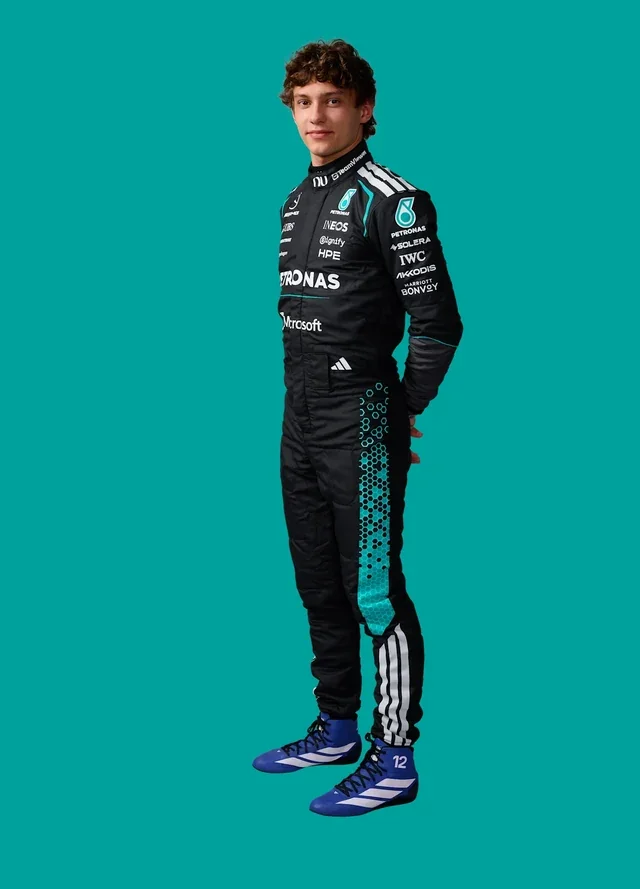
Even so, earlier testing at Magny-Cours allowed Mercedes reserve driver Frederik Vesti to complete two days of running, including a wet session evaluating various intermediate compounds and constructions. Simone Berra, Pirelli's chief engineer on track, confirmed in Mexico that the company found strong options it hopes to introduce next year. "We tested a few solutions, especially for the intermediate tyres, and we ended up finding good options that we would like to introduce for next season," Berra stated. "We have worked on the compounds, on the tread thickness and also on different structures. So we have worked a lot on different aspects of the tyres and we would like to combine the best solutions. Now we are analyzing the data and we are going to homologate new specifications for the wet compounds."

 F1
 F1