
Here is the thing about how the championship plans its future. As Motorsport.com España reports, the F1 Commission is holding a crucial meeting in London today, Monday, November 16, to debate the championship rules for 2027 and the future of power units. FIA president Mohammed Ben Sulayem wants to bring the new regulations forward by a year to 2030, creating an urgent need for a regulatory framework that manufacturers can finally start working on.
The technical direction is leaning toward an 8-cylinder, 90° V-configuration internal combustion engine, but the exact displacement remains heavily contested. Two distinct proposals are on the table. One option is a 2.1-litre motor, effectively adding two cylinders to the current 1.6-litre units so builders do not have to start from scratch. The alternative is a 2.6-litre specification originally conceived for a naturally aspirated V8, though a turbocharging system has been added to improve efficiency and boost performance that would otherwise fall short of modern standards. The biturbo proposal has already been discarded entirely.
Differences also extend to how these power units will handle forced induction and electrical power. The 2,600cc version would feature a very small turbocharger with a boost pressure not expected to reach 1 bar, whereas the smaller 8-cylinder engine would require higher pressure. On the electrical side, the puzzle features two camps: one side wants a 100 kW MGU-K, while the other prefers a total of 200 kW, using 100 kW continuously and keeping the remaining 100 kW in reserve for a push-to-pass style deployment.
Then there is the sound and the fury of the machines. While the current setup shifts gear at 12,500 rpm, the new power units are expected to target a rev limit between 15,000 and 16,000 rpm. The goal is to bring back the music of the engines without reaching excessive noise levels, keeping local restrictions in mind for the many street circuits on the calendar. Even with the dampening effect of a turbo, the acoustic improvement will be a major addition to the spectacle.
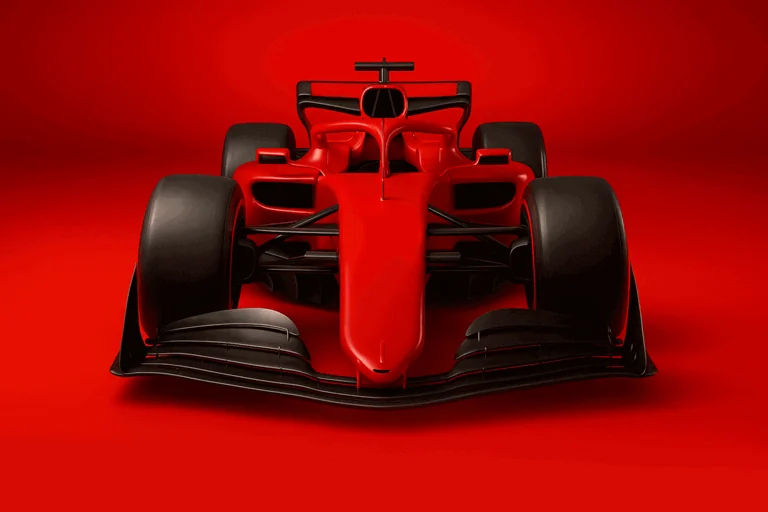
Beyond the raw mechanics, the rulemakers have set a target to shave 80 kilograms off the weight of the 2030 cars, with roughly 30 kilos coming directly from simplifying the power units. This regulatory shift also carries the hope of cutting the cost per unit by between 500,000 and 600,000 euros. However, ambitions go even further with a desire to halve the budget cap. That particular prospect has sparked fears that cost-cutting could force constructors to downsize their workforces, just as the original introduction of financial restrictions did.
 F1
 F1