As Motorsport.com Deutschland reports, the upcoming 2027 technical regulations in MotoGP are designed to heavily restrict aerodynamic developments, making machines easier to control and promoting wheel-to-wheel battles on track. But according to Honda technical director Romano Albesiano, aerodynamics won't lose an ounce of its significance. In fact, he predicts it will play an even bigger role in motorcycle design.
The sweeping rules overhaul aims to make Grand Prix racing safer, more sustainable, and more attractive by adjusting engines, chassis, tires, and crucially, winglets. These aero concepts, largely pushed forward by Ducati in the mid-2010s, have faced heavy criticism for making slipstreaming and overtaking difficult. Albesiano acknowledges that the rules target these visible attachments specifically. "The regulations were changed to limit aerodynamics, especially the wings. Probably less downforce will be generated through the wings," he explains. Yet, he notes that engineering focus has already expanded far beyond the bolt-on wings.
I hope that the management of the front tire pressure will be less critical in the coming year. At least I hope so, but I don't know for sure,
Specific physical limitations are coming for the 2027 bodywork. The maximum width of the front fairing drops from 600 to 550 millimeters, while the rear height limitation changes from 1,250 to 1,550 millimeters. Furthermore, the foremost point of the front fairing must move back by 50 millimeters, and tapering sections will shrink. Albesiano points out that engineers now manipulate pressure across every single surface of the machine. Components like the swingarm—which Aprilia introduced aero solutions for a few grands prix ago—and the exhaust must now serve dual mechanical and aerodynamic purposes.
Beyond bodywork, Albesiano highlights another massive factor shaping racing quality: front tire pressure management. With Pirelli taking over from Michelin as the official tire supplier in 2027, the Honda technical director hopes the severe tire pressure headache might ease, though he admits uncertainty. "I hope that the management of the front tire pressure will be less critical in the coming year. At least I hope so, but I don't know for sure," he states. While tire pressure barely affects qualifying, it drastically alters full-distance races.
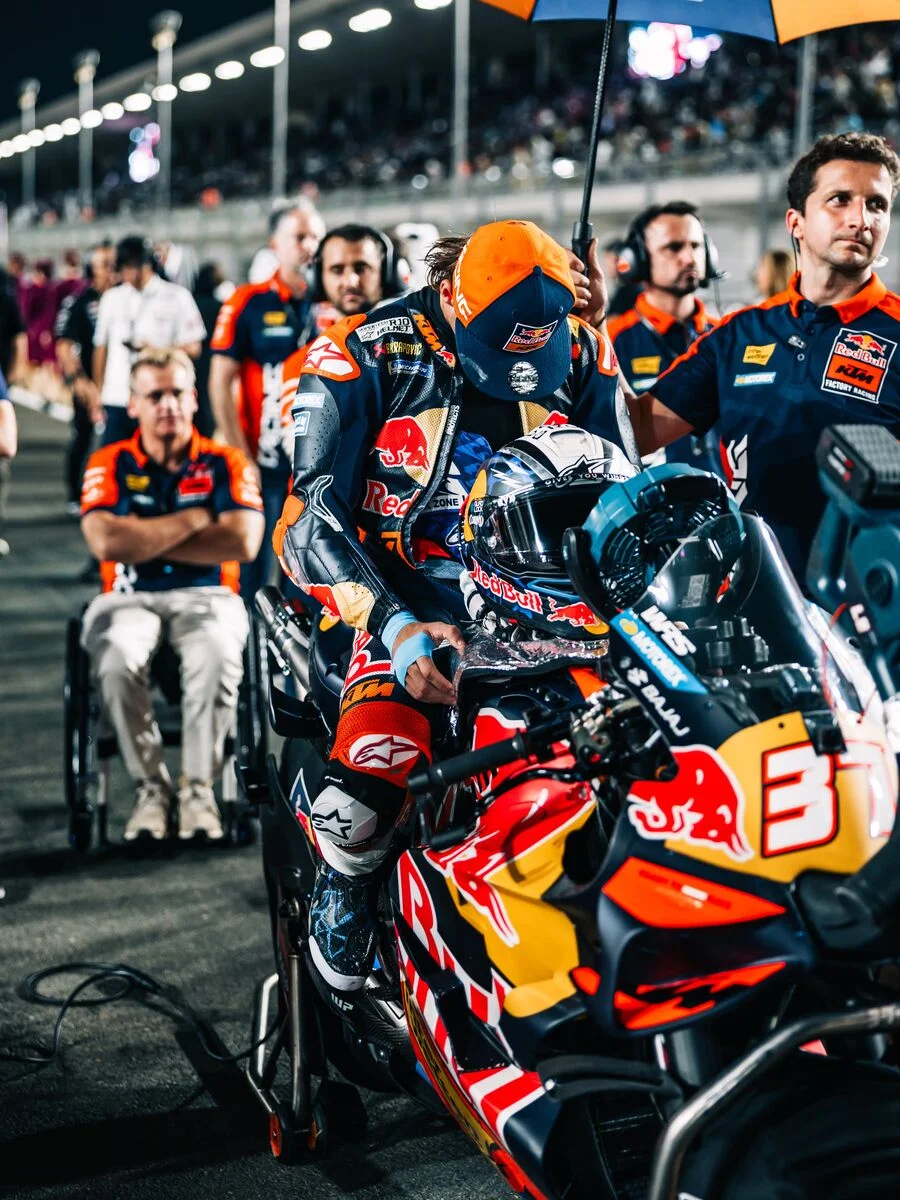
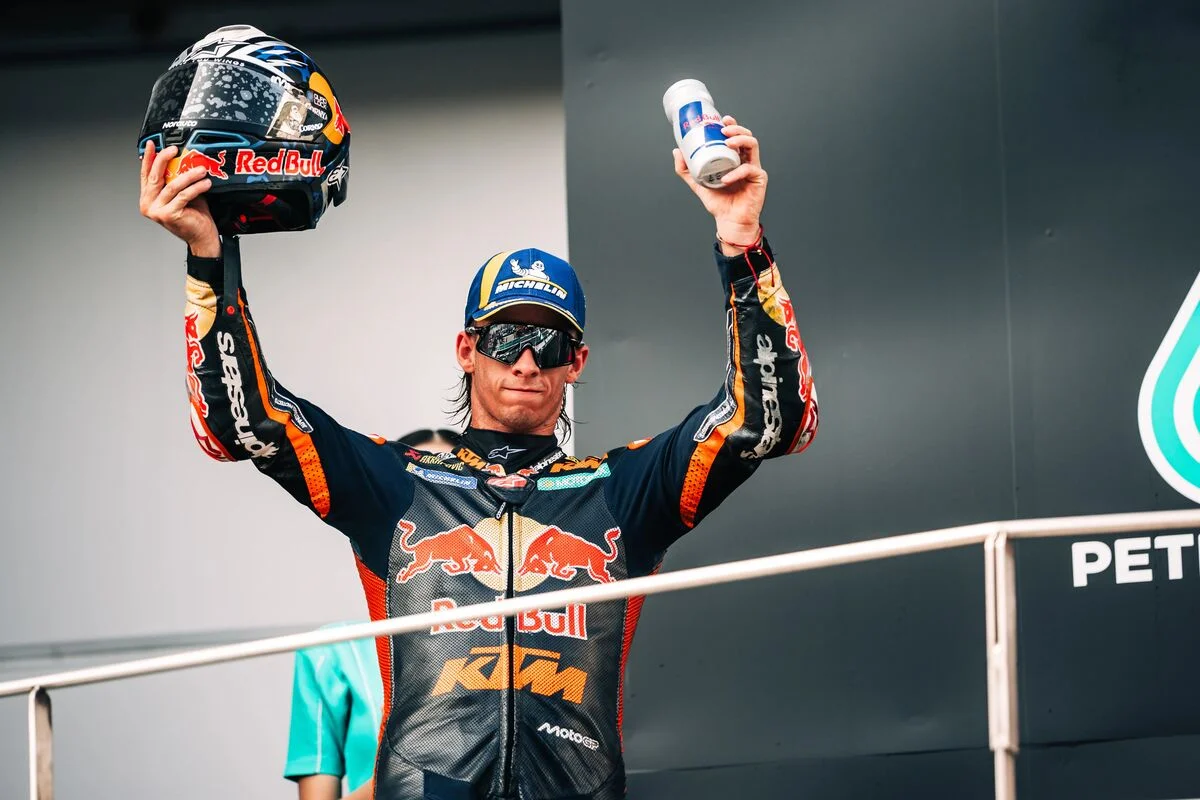
The chaotic reality of tire pressure management was put on full display at the 2026 Indonesian Grand Prix in Mandalika. KTM pilot Pedro Acosta and Marc Marquez engaged in a bizarre tactical scrap over fourth place. After Acosta passed the Ducati rider on lap seven, rising front tire pressures forced him to wave Marquez back past. The pair repeatedly swapped positions to manipulate their pressures and avoid a looming time penalty, destroying their pace and allowing Ai Ogura to catch and pass both of them. Acosta crossed the finish line fifth, with Marquez sixth. A frustrated Acosta did not mince words afterward: "We looked like idiots."

 MotoGP