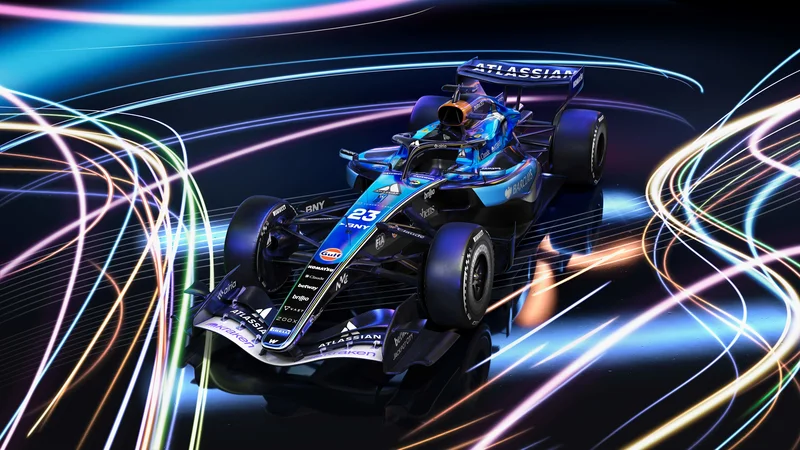
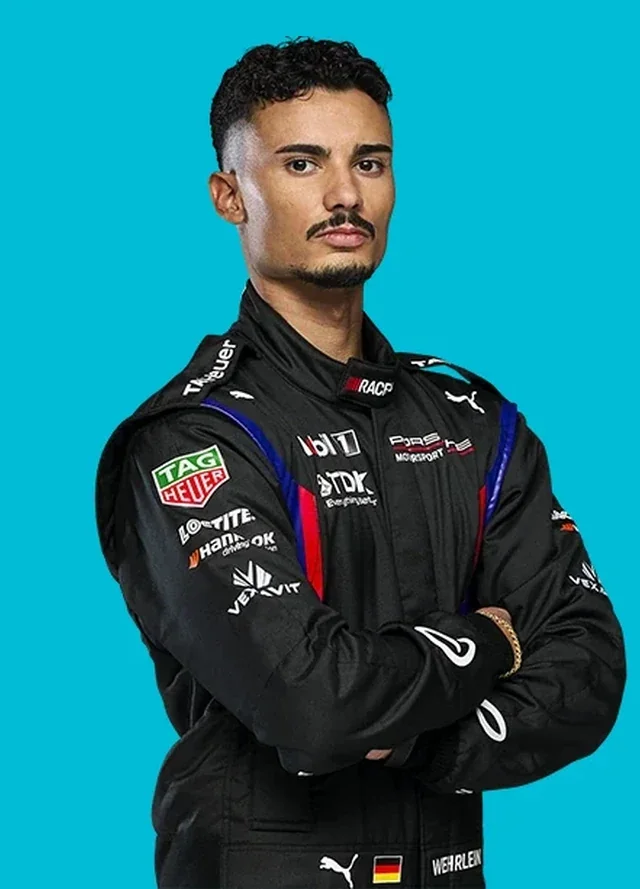


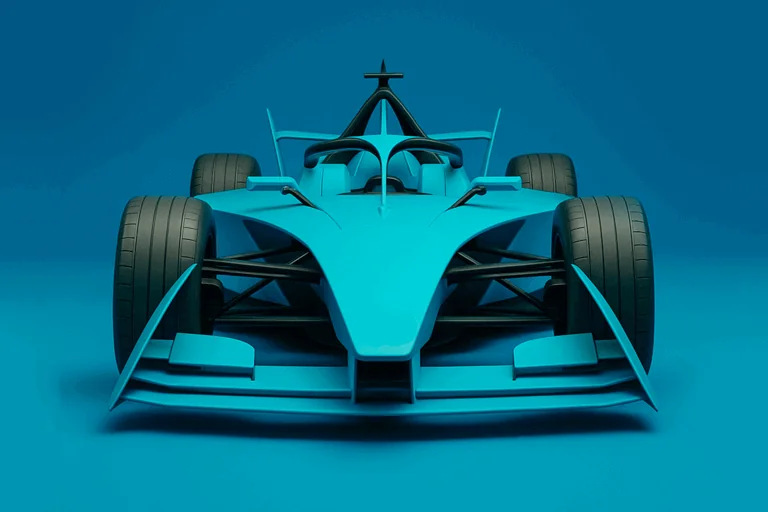
According to Motorsport.com España, the Gen4 machine represents the most ambitious attempt in the history of Formula E to alter how the championship is perceived and what it can achieve in motorsport. As Pascal Wehrlein explained months ago during the car's unveiling, the Gen4 is very fast and fun to drive, and it will be quite a revelation for many fans.
Testing has begun at the Jarama circuit on the outskirts of Madrid, hosting the only collective pre-season test for the Gen4 ahead of its competitive debut in Mexico City in January 2027. This marks a symbolic start to a new era, carrying ambitions far different from past generations. After a Gen3 era that experienced ups and downs and felt somewhat stagnant despite technological leaps, the championship hopes this new car will be a turning point, bringing it closer to major motorsport protagonists without betraying its DNA.
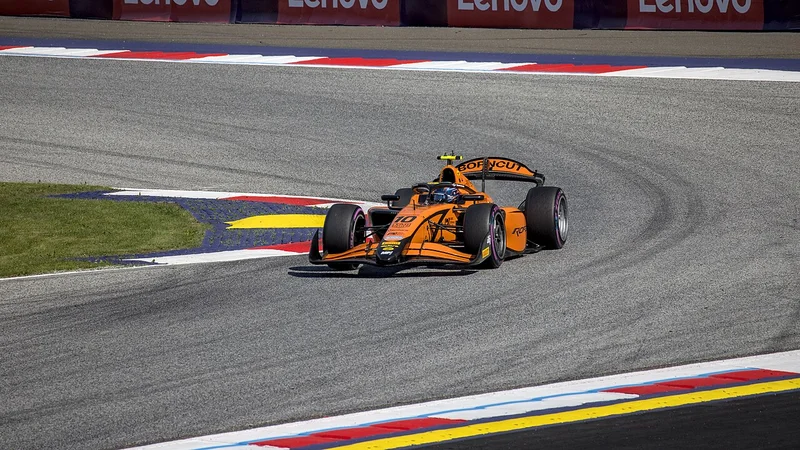
The numbers are staggering. Downforce will be more than doubled compared to the Gen3, allowing the car to fully utilize 600 kW (over 800 hp) available in qualifying alongside all-wheel drive. But the true shift is philosophical: for the first time, Formula E has prioritized performance at the core of its car design. Porsche recently ran its Gen4 in a testing session at Monza, recording lap times even better than Formula 2.
The challenge is no longer just proving that electric technology belongs in racing, but demonstrating that it can carve out a space alongside premier categories like Formula 1 and the WEC. That shift in mindset extends to the sporting format. Alongside traditional ePrix, selected rounds will feature shorter sprint races named 'Unleashed', allowing drivers to push flat-out without energy management limitations.
Faster, more sophisticated, and undeniably ambitious, the Gen4 carries the heaviest burden in the category's history. It is tasked with winning over skeptics and securing a permanent footing among the giants of world motorsport.
 Formula E
 Formula E
 Formula E
 Formula E
 Formula E
 Formula E