That said, big changes are heading toward the World Rally Championship as the WRC Commission met on Monday to discuss a sweeping set of alterations to the sporting regulations, as Motorsport.com reports. These proposals have now been officially submitted to the FIA for ratification, setting up a transitional phase for the championship in 2027 under fresh technical regulations.
With new Rally1 machines and current Rally2 machinery expected to close up significantly in performance—leaving only a 10-15 horsepower advantage for the top-tier cars—the service park has been buzzing with debate. On gravel rounds, Rally2 cars running lower down the order could theoretically outpace the premier machines, prompting the WRC Commission to propose a clear segregation via a dedicated FIA WRC1 Championship classification for drivers and co-drivers.
Under these proposed regulations, the main drivers' and co-drivers' titles would be renamed the FIA WRC1 Championship, strictly limited to crews in Rally1 or Rally1 Kit Cars (upgraded Rally2 cars), while WRC2 and WRC3 competitors stay in their own brackets. Super Sunday points would also be exclusively allocated to Rally1 crews. As the WRC Commission outlined in an update, the season's top points-scorer within this new classification will still be recognized as the FIA World Rally Champion.
Road order rules are also on the chopping block for specific events. For rallies where Thursday's special stages make up more than 10% of the total competitive distance, a dedicated starting order will be used on Thursday, followed by a reversed Priority 1 classification order for Friday's action. If Thursday accounts for 10% or less, the standard approach stays in place.
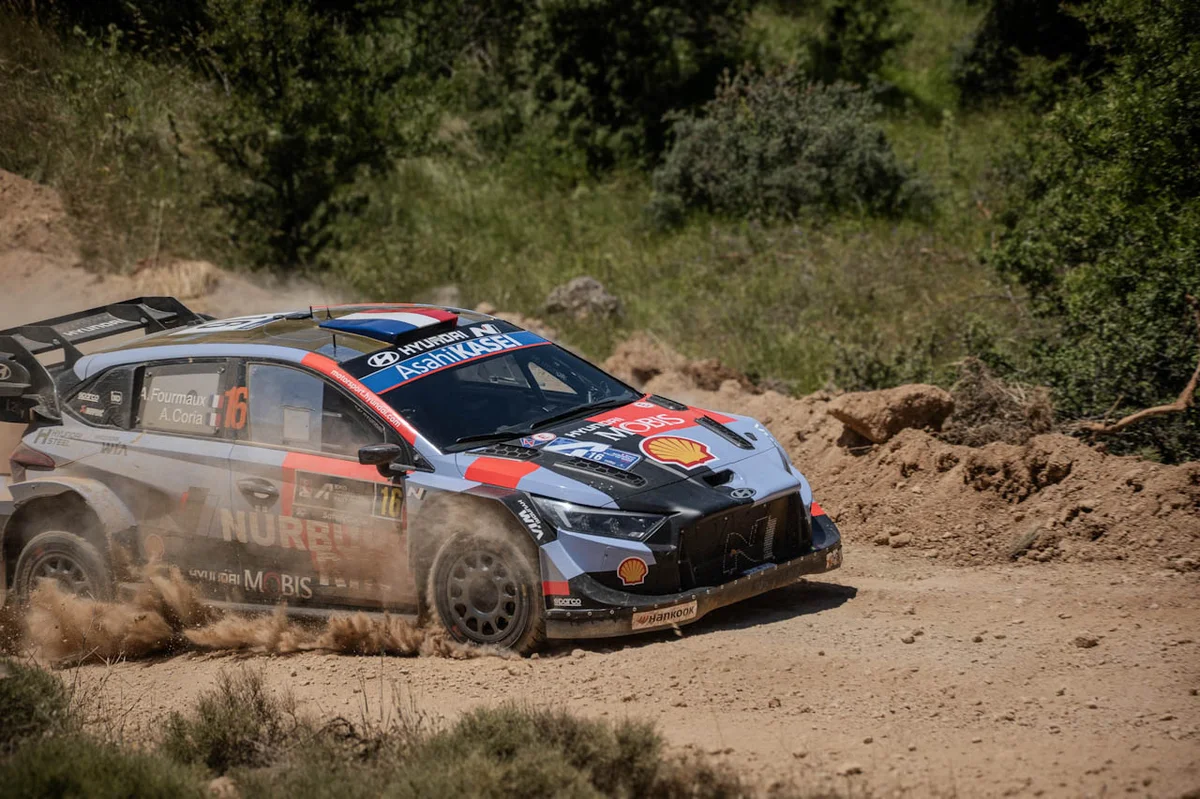
Testing regulations face a major overhaul too, under the watchful eye of outgoing commission president Pernilla Solberg during the final meeting of her current tenure. Elite Drivers would be capped at a maximum of one testing day per rally entry with an annual limit of 10 days, whereas Non-Elite Drivers get two days per entry up to 20 days annually to help build experience in Rally1 machinery.
Finally, homologating constructors get dedicated development testing allowances to help refine the new specification cars. They will receive 15 development testing days annually for the first two calendar years of a car's homologation, dropping to 10 days from the third year onward, alongside extra days reserved for variant development to keep costs and testing activity strictly managed.