

That is the wild reality of what is currently unfolding. According to Motorsport-Total.com, Peugeot is set to shut down its Hypercar programme and withdraw from the World Endurance Championship with immediate effect, as Motorsport.com reports.
Now, here is the kicker. This development arrives just as the brand had already announced drivers for the upcoming season and prepared to race in 2027 with a heavily-updated car after years of development. The timing of the decision would make sense, as 23 November marks the deadline for registration for the 2027 WEC. That means Peugeot could potentially avoid paying financial penalties to the ACO for withdrawing an already planned entry, despite its intensive preparations for the new campaign. Peugeot would thus become the second French marque after Alpine to exit the championship after 2026.
How does a manufacturer spend years working on a revised machine and lock in drivers, only to pull the plug? The decision was apparently made at short notice and at the Stellantis level. It is not unusual for moves of this kind to be decided in the corporate boardroom without involving the motorsport division, which in Peugeot's case is based in Versailles-Satory. Stellantis confirmed that extraordinary meetings had been called, but neither confirmed nor denied its withdrawal from the WEC or the end of its Hypercar program.
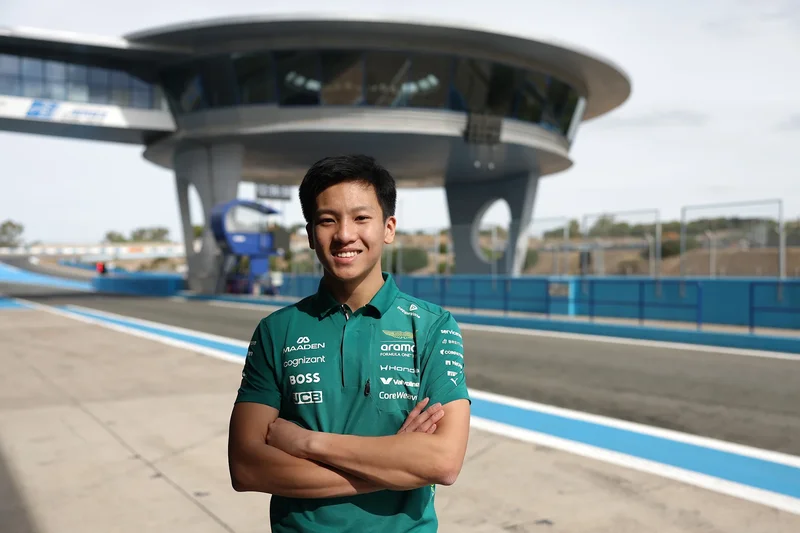
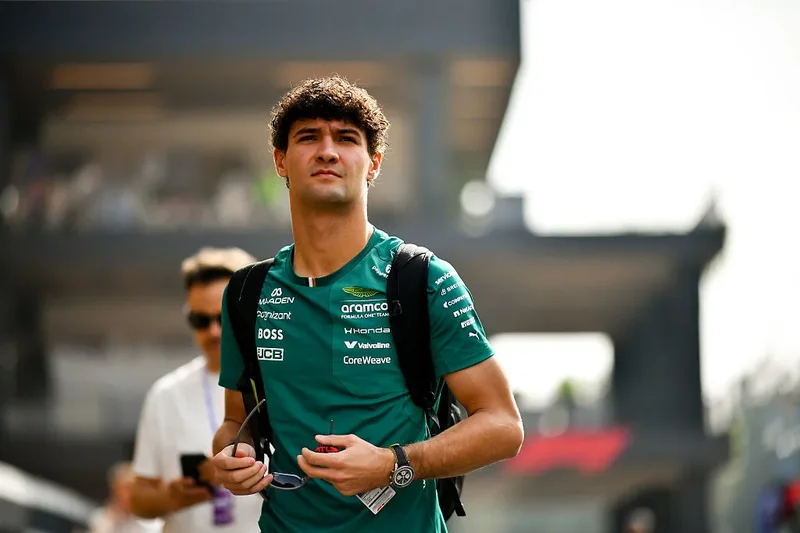
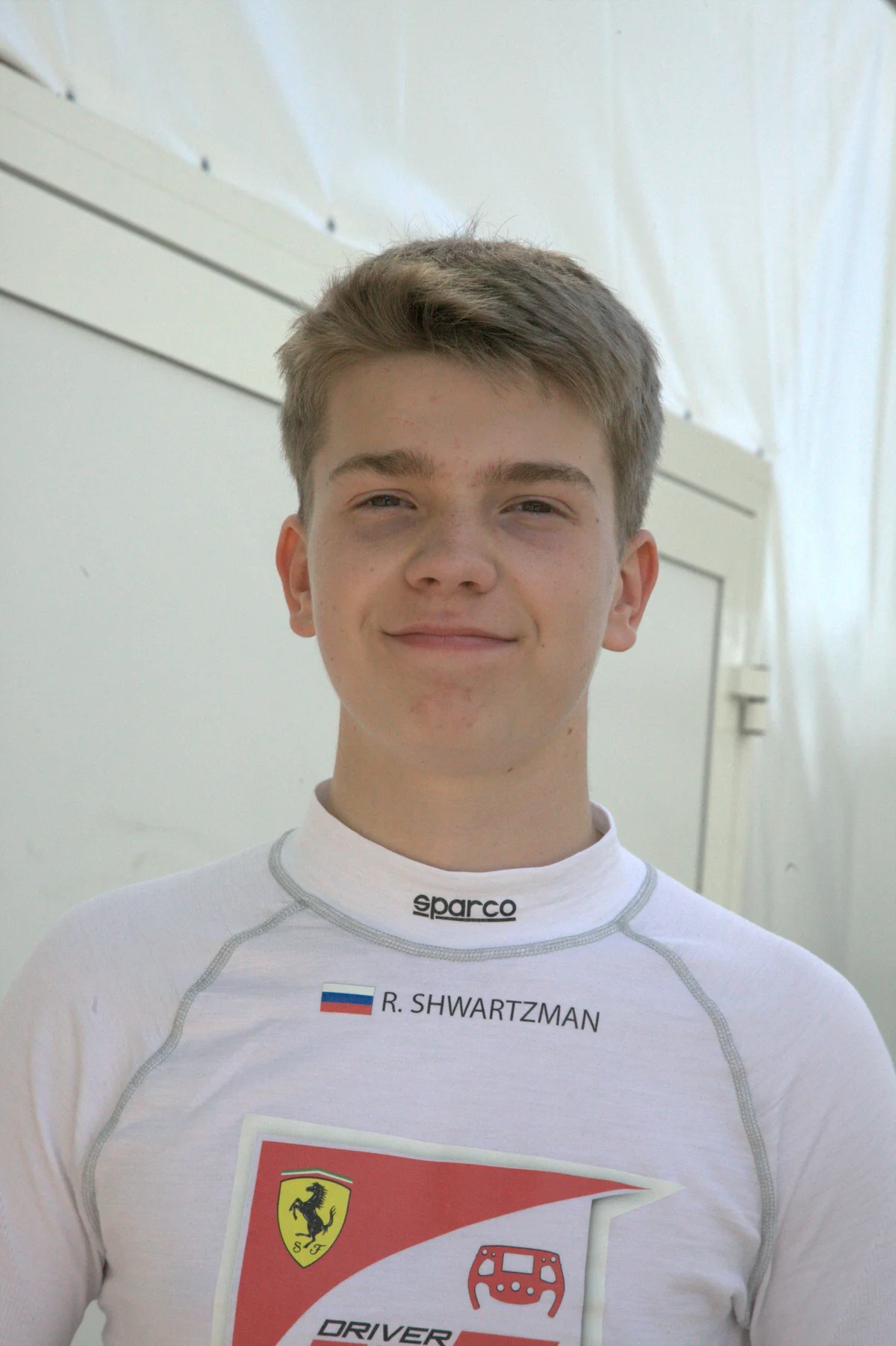
Under French labor law, the local works council and the central group works council must be officially consulted before far-reaching strategic or structural decisions are finally implemented. The fact that extraordinary meetings have been called in both bodies is a strong indication that a major decision is pending at Stellantis Motorsport. For the 2027 WEC, Peugeot had already officially announced newcomers Robert Shwartzman and Alex Quinn as full-season drivers. Jean-Eric Vergne was set to return in 2027 after a year away, while Nick Cassidy, Loic Duval and Paul di Resta were already locked in, alongside Malthe Jakobsen and Theo Pourchaire.
The 9X8 LMH, which debuted in 2022, has fallen short of expectations so far, but was supposed to receive a third major upgrade as the French manufacturer bid to turn around its project. While the car initially turned heads with its unconventional aerodynamics without a rear wing and its striking design language, it failed to score a single race win in five years of WEC competition, despite the presence of a Balance of Performance system. Four podium finishes and one pole position were the highlights.
There are multiple forces at play behind this potential exit. Hypercar costs are higher than originally anticipated, and manufacturers have still been unable to agree on a budget cap to this day. According to estimates, Peugeot has likely spent more than 30 million euros per year on its Hypercar program, especially given that it used more Evo jokers than any other manufacturer. Add in the current crisis in the automotive industry, where Stellantis announced special charges of 22.2 billion euros for the second half of 2025 alone and a net loss of 22.3 billion euros for the full year, and the pressure mounts. Former Stellantis CEO Carlos Tavares, who is an amateur racing driver himself and was a strong advocate for Peugeot's WEC comeback, has not been on board since the end of 2024. His successor, Antonio Filosa, by contrast, is viewed as a classic turnaround specialist with little passion for motorsport.