
The stories hidden in the curves of Spa-Francorchamps
It is difficult to overstate how much history is packed into the asphalt of Spa-Francorchamps. We know it for its speed and its treacherous weather, but every corner at this legendary circuit tells a specific story about the Belgian landscape and the legends who have graced its tarmac. It is almost dizzying to realize that when the circuit was first mapped out in 1920, the officials simply linked the pre-existing roads between Spa-Francorchamps, Malmedy, and Stavelot.
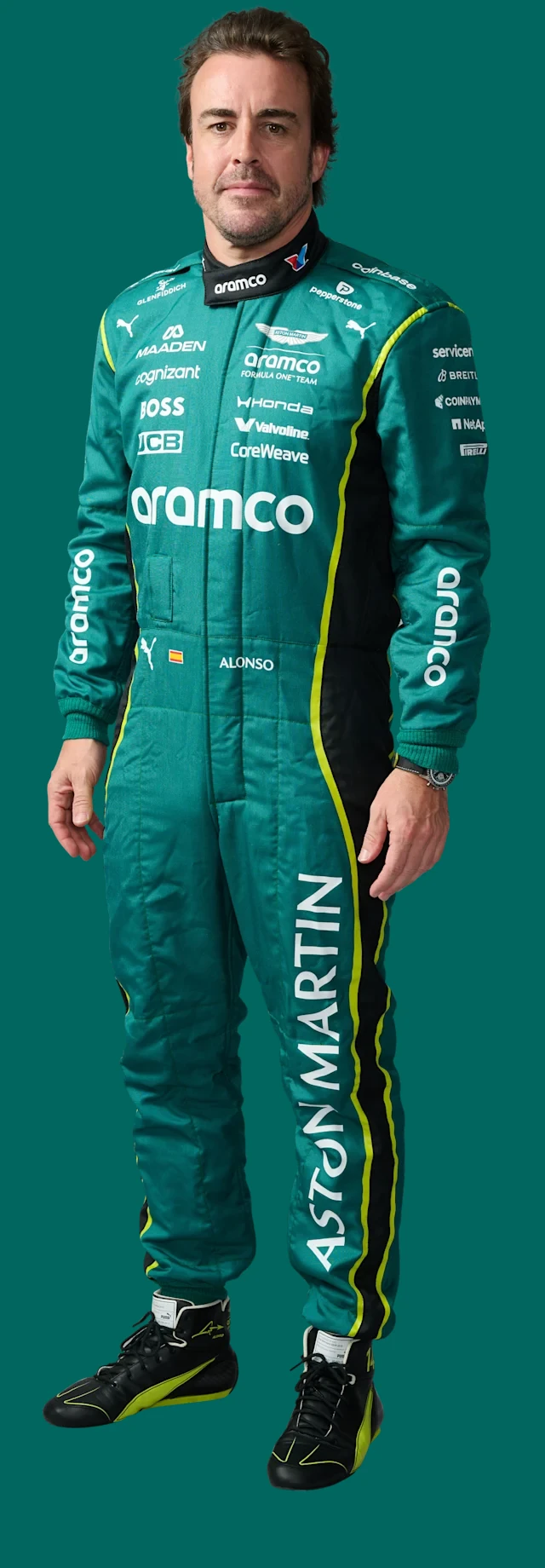
Take the opening sequence: it all starts at La Source, the slowest point on the circuit. Its name is tied to the water sources prevalent in the region, a motif that repeats throughout the track. The most famous stretch, however, is often misunderstood. Eau Rouge, which translates to 'red water', only refers to the bottom of the hill where a stream flows over iron-rich soil. The legendary uphill climb itself is the Raidillon, a 'steep path' that reaches a staggering 15% gradient. It was here that Mark Webber pulled off an audacious pass on Fernando Alonso in 2011.
Further around the lap, the naming conventions shift from geology to local geography and homage. Les Combes, meaning 'the valleys', hosted a stunning double overtake by Mika Hakkinen in 2000. Then there is the turn now known as the Jacky Ickx Curve. It spent years being called 'The Corner With No Name' or Speakers Corner, but it is fitting that it now bears the name of the Belgian icon who claimed eight F1 victories between 1966 and 1979.
Other corners remain deeply rooted in their surroundings. Pouhon refers to the mineral springs of the area, while Fagnes takes its name from the nearby Fen nature reserve in the Ardennes Forest. Some sections have even evolved with time. Campus, for instance, once bore the name Stavelot, while the Curve Paul Frere honors the versatile driver and journalist who won the 1960 24 Hours of Le Mans with Ferrari.
Even the final section of the track hides a peculiar secret. The Bus Stop chicane is so named because, back when the circuit was part of the public road network, there was literally a bus stop located exactly where the drivers now fight for position. While the original stop was removed ahead of the 2007 Grand Prix to make room for pit lane modifications, the name has stuck—a small, tangible reminder of a track that has seen everything.