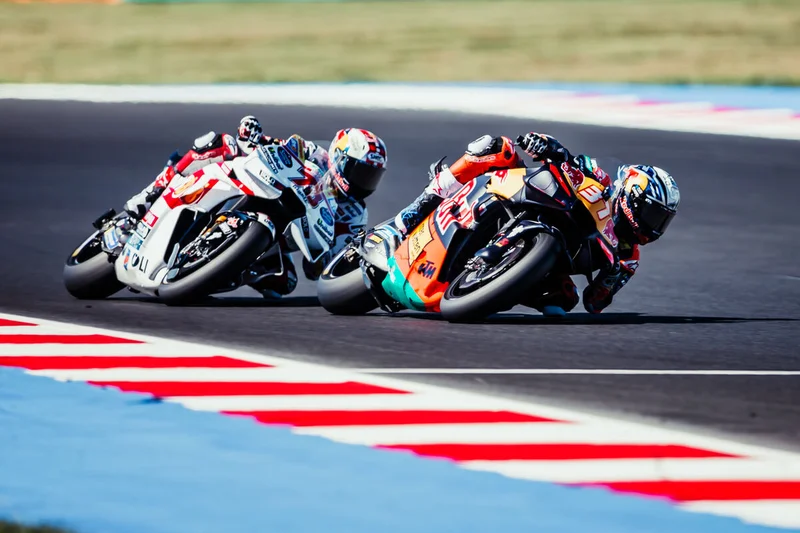

As Motorsport.com reports, an incoming tyre switch and strict testing rules are exposing a glaring weakness in MotoGP. With eight races still left in the 2026 season and questions hovering over the Qatar round, the grid is already looking ahead to massive changes. The technical revolution coming in 2027 will bring down engine sizes from 1000cc to 850cc alongside reduced aerodynamic performance to curb straightline speeds. But the shift that has riders most concerned is the arrival of Pirelli as the sole tyre supplier, replacing Michelin.
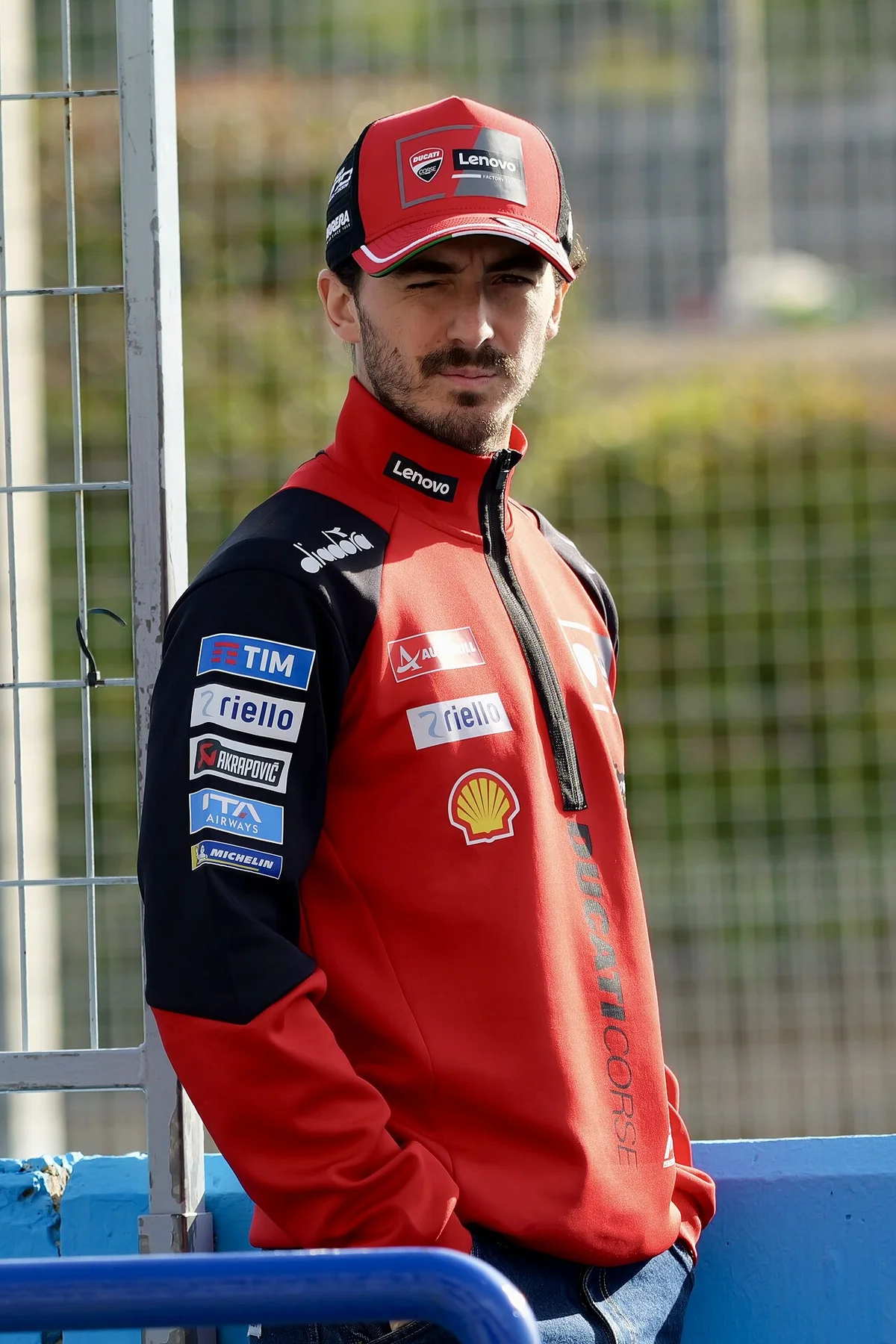
Because tyre behaviour directly shapes riding style, the entire grid wanted a chance to sample the new rubber during end-of-season group tests. Unfortunately, restrictions on riders changing teams mean not everyone gets permission to participate, leaving both factory names like Francesco Bagnaia, Jorge Martin, and Fabio Quartararo, and satellite competitors like Enea Bastianini and Fabio Di Giannantonio, stuck in the cold. It lays bare a long-standing vulnerability: unlike Formula 1, which has the Grand Prix Drivers’ Association, MotoGP lacks a united riders' organisation to defend the grid against manufacturers' political interests.
At least we could have had some feedback to understand what to expect next year and what to work on. It seems like a small advantage, but in my opinion it's quite a big advantage.
Enea Bastianini wanted to sample the new rubber at the upcoming test, but KTM said no to his negotiation attempts. “It would have been better for everyone to try the Pirellis before Valencia. It would have been better if it had been mandatory for everyone, but that is not the plan, it wasn't scheduled for us,” said Bastianini, who moves from Tech3 KTM to Trackhouse Aprilia next year. Many riders fear they will get only a single day of running at a cold, atypical Valencia circuit where weather could easily ruin the session. “I think having a riders’ association could help in these circumstances, because we will arrive in Valencia without ever having tried the Pirellis and we will have one day of testing, and if it rains, what do we do?,” Bastianini added.
Fabio Di Giannantonio, leaving Ducati for KTM, echoed those frustrations. “It’s really difficult because at the moment, as usual, we don't have a riders’ association or anything like that,” he said. The situation is complicated further by other factors. Pol Espargaro pointed out that riders like Nicolo Bulega will bring heavy Pirelli experience into their debuts next year, not only from racing in the World Superbike Championship, but also by actively developing Ducati's 850cc MotoGP machine. While Bulega can hardly be blamed, rivals are understandably unhappy with the disparity. Teams naturally want to block outgoing riders from carrying secrets about 2027 prototypes to rival manufacturers, and current protocols have kept Pirelli tyres off current prototypes aside from initial tests using modified, detuned bikes.
Bastianini argued that outgoing riders should have been allowed to sample the new rubber on current 1000cc machines to establish an equal baseline. “I don't think we necessarily had to run the 850cc bike. The test would have been fine even with a 1000cc bike,” he said. “At least we could have had some feedback to understand what to expect next year and what to work on. It seems like a small advantage, but in my opinion it's quite a big advantage.” Without a collective voice to push back against manufacturers, the grid remains entirely exposed to political divides.