

The Bahrain Grand Prix in Malaysia served up an absolute corker of a race, featuring a complicated, delayed start, wet weather for a few laps, and multiple safety cars, as The Race reports. Yet beneath the chaotic entertainment lay plenty of familiar frustrations regarding how the sport is run.
First on the chopping block is the tedious safety car restart procedure. Delaying restarts just to let lapped cars overtake the pack makes zero sense when fans simply want to see action on track. As Glenn Freeman points out, prioritizing the cars having a bad day over the leaders holding up the front of the field is ridiculously inefficient. Move them to the back, or let them deal with being lapped, but stop halting the show.
Then there is the sport's strange allergy to wet-weather racing. Between 2026 power units struggling in low-grip conditions and an over-cautious approach to damp tracks, we endured nearly two hours of delays, track sweepers, and safety car laps before the race finally began on a mostly dry track. It is a crying shame to regulate out a condition that historically provided legendary tests of skill, such as Ayrton Senna at Estoril in 1985 or Max Verstappen at Interlagos in 2016.
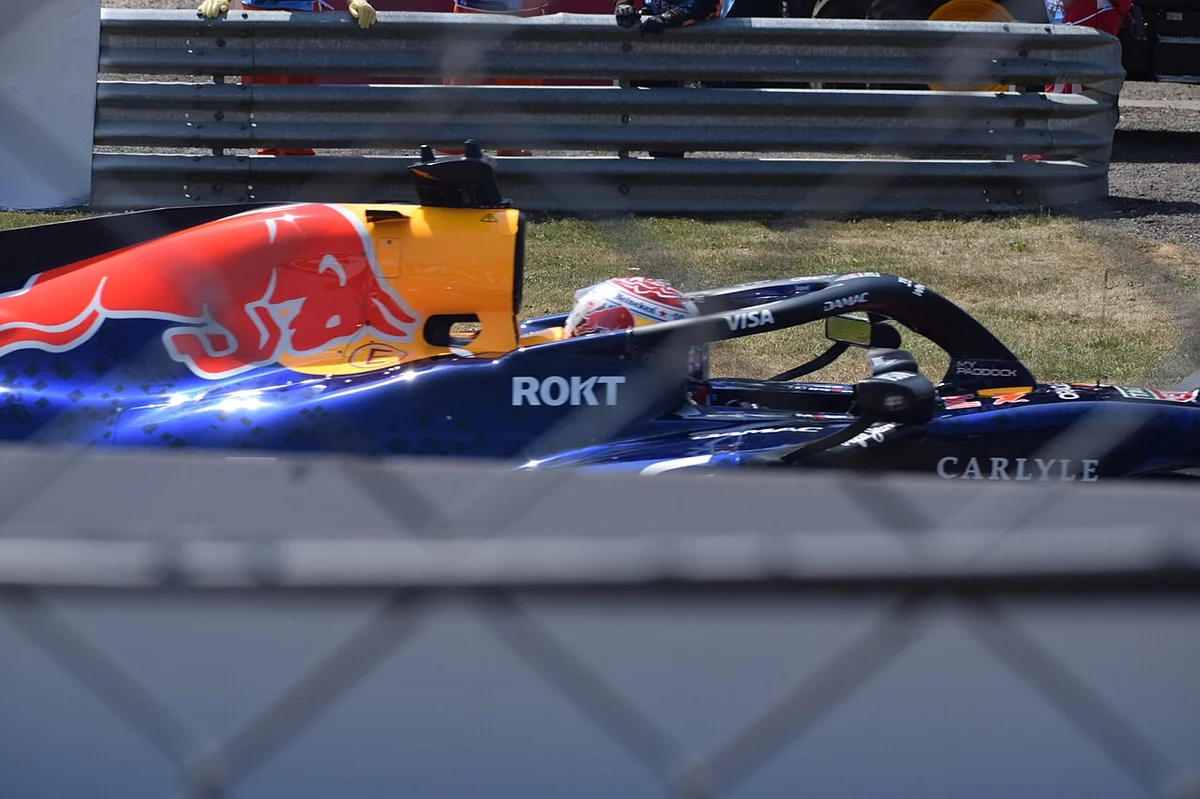
On track, however, individual masterclasses shone through the noise. Max Verstappen was next-level outstanding, delivering a brilliant pass on Antonelli across Turns 1-3 early on and displaying seismic pace out front. While his teammate Isack Hadjar struggled and was at times as much as three seconds per lap slower, Verstappen showcased exactly why a winning car needs a driver of his caliber behind the wheel, looking genuinely happy with Red Bull's latest package.
Lewis Hamilton authored an equally staggering recovery drive. After starting on the wrong tyre and dropping over a minute behind the leader at one point, Hamilton stuck it out on soft tyres for some 32 laps. That bold strategy saved him a pitstop, and his unbelievable pace allowed him to rocket from 16th to fifth in around 10 laps, ultimately dragging his machine up to a podium finish even after a late safety car compressed a 15-second gap to Leclerc.
Ferrari's strategy decisions once again sparked debate, with Leclerc recovering to fourth after pitting early for a new front wing, while Fernando Alonso squeezed a decent result out of his machinery. Amid all the complications of overly complex power units and TV direction getting distracted by drone shots, the return to Sepang proved why old-school venues must stay on the calendar instead of being swapped for featureless follow-the-leader tracks.