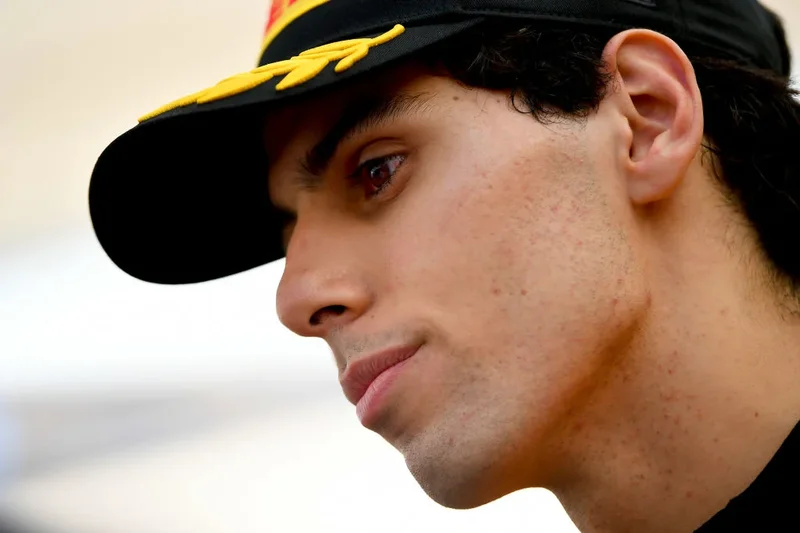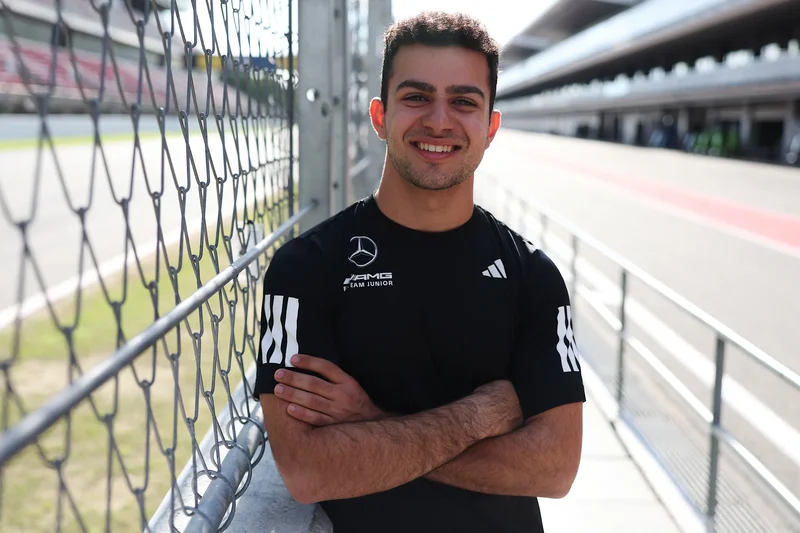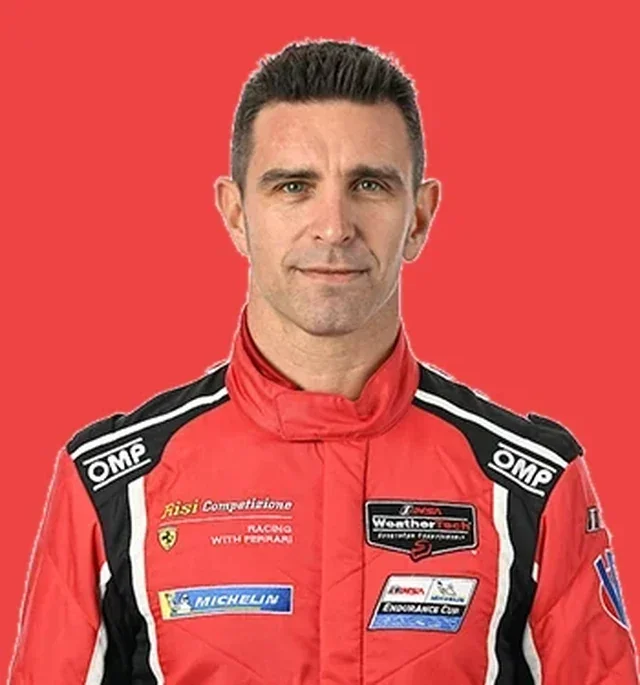
When Fernando Alonso broke through to become Formula 1 world champion in 2005 at just 24 years old, ending Michael Schumacher's golden era, the landscape of the sport was entirely different. As Motorsport.com reports, back in the 2001 rookie class that featured Alonso alongside Juan Pablo Montoya, Kimi Raikkonen, Enrique Bernoldi, Alex Yoong, and Tomas Enge, team bosses were legends like Ron Dennis, Frank Williams, Eddie Jordan, and Tom Walkinshaw. Today's championship-winning Mercedes squad was BAR, Red Bull ran as Jaguar, and Alain Prost's cars used Acer-badged Ferrari engines. Grid girls held up numbers, and old warhorses like Jean Alesi and Jos Verstappen raced.
Now 45 years old, Alonso finds himself trapped in the exact same frustrating loop he endured during his 2001 debut season with Minardi, a team bought by Australian airline entrepreneur Paul Stoddart that we now know as Racing Bulls. Back then in a 17-race season with no F1 Sprints and a championship finale at Suzuka on 14 October, he scored precisely zero points simply because the machinery could not do the job. After 20 of 24 race weekends, he has just seven points to his name this season—fewer than any year except that rookie campaign with Minardi.
Yet Interlagos reminded everyone why his speed never left. When the rain arrived, opening the door for drivers in lesser cars to overcome their machinery, Alonso put on a masterclass. During Saturday's qualifying, he briefly topped the timesheets multiple times to secure his first Q3 appearance of the season. In Sunday's race, he even mixed it with Lewis Hamilton in the Ferrari at times. Alonso suggested the Aston Martin was phenomenal in the corners on a wet track, though he admitted the Honda engine was rather less so. But as reality bit, the result was 12th place. No points. On Saturday, Alonso showed why he still belongs in Formula 1; on Sunday, Aston Martin showed him why he might be better off doing something else.
Looking back across a career spanning two world championships, 32 Grand Prix victories, and a quarter of a century of life experience, his journey is littered with sliding doors. Helmut Marko once recounted how serious Alonso's talks with Red Bull were in 2007, though Alonso apparently lacked confidence that Dietrich Mateschitz's vision would materialize before Red Bull's rise in 2009. At Ferrari, he came agonizingly close to a third title, while at McLaren, he left scorched earth behind him twice. In late 2016 at a low point with McLaren-Honda, when Nico Rosberg suddenly retired, Flavio Briatore called Mercedes team principal Toto Wolff to secure the vacant seat, but Daimler CEO Dieter Zetsche had not forgotten Spygate.
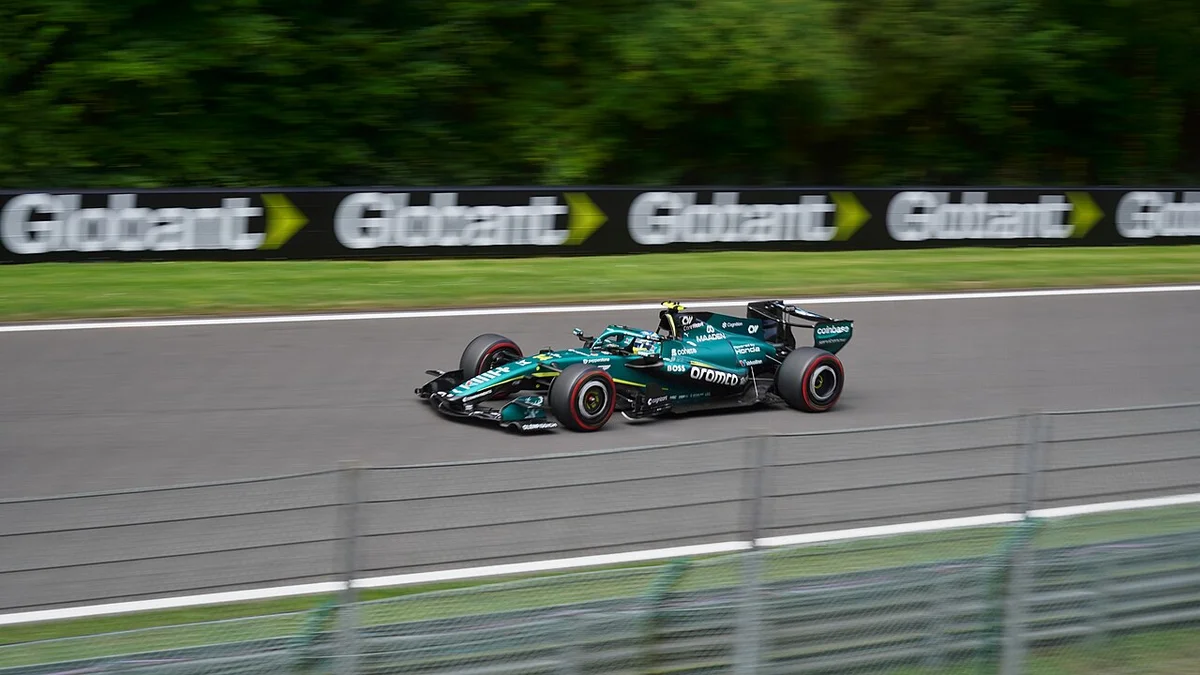
Now, the great irony is that Alonso pins his hopes of a third world title on Adrian Newey at Aston Martin, the very designer whose potential at Red Bull he once underestimated. When he joined Aston Martin in 2023 and took eight podiums in his first season, it seemed the curse had lifted. Three years later, we know better. Had he enjoyed the fortune of Sebastian Vettel or Lewis Hamilton in finding the right car at the right time, he could easily have five or more championships.
Back when Alonso started in 2001, articles would describe Sir Stirling Moss as the finest Grand Prix driver never to have won a world championship. Perhaps history will eventually remember Fernando Alonso as the finest driver ever to win only two.


 F1
 F1