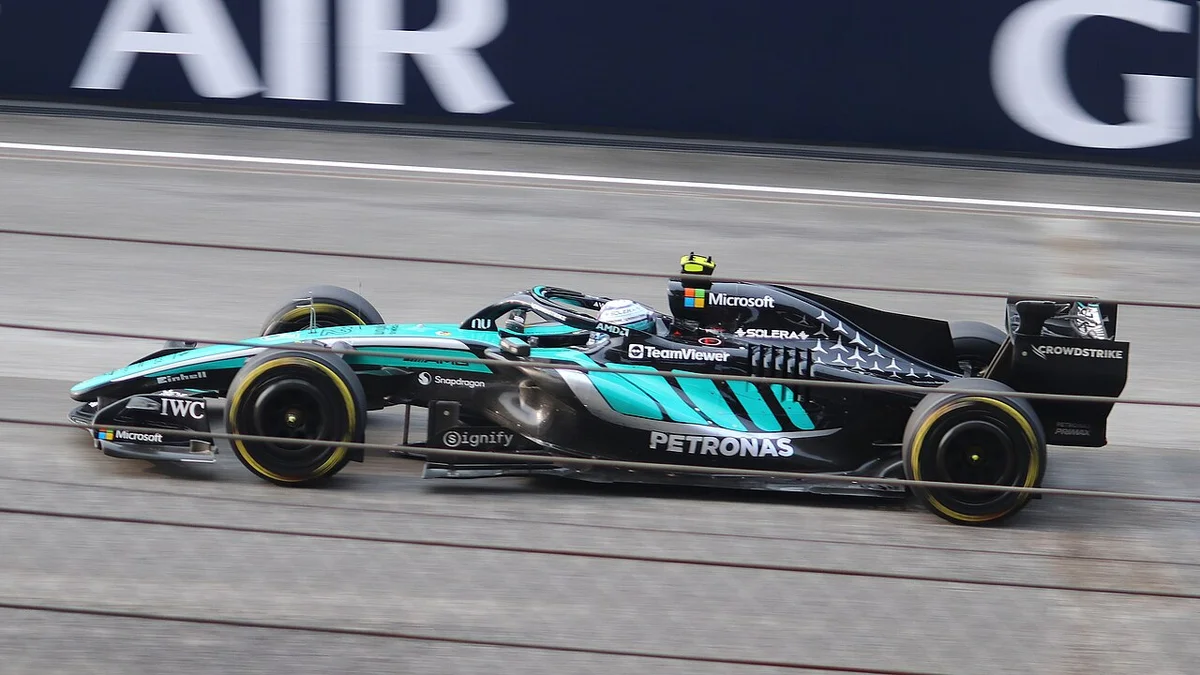


Mercedes crushed the beginning of the 2026 Formula 1 season, taking the first six races and locking down both world championships with an astonishingly dominant machine. But as Motorsport.com Deutschland reports, that comfortable margin has vanished entirely. In the last five rounds, the Silver Arrows have managed just a single victory courtesy of Kimi Antonelli, while Red Bull and McLaren have surged into serious contenders.
Now, technical director James Allison has pulled back the curtain on why the W17 suddenly stalled. Speaking on the NU Silver Arrows Radio Show, Allison admitted that the team's own development path directly sabotaged the car's drivability. The shrinking advantage isn't merely a case of rivals finding pace; it stems from a specific set of upgrades introduced at Sepang and followed up in America with a new front wing.
"Our last development step, our so-called 'Update 18', that we brought to the track in Sepang and subsequently supplemented in America with the front wing... it gave us more downforce, but made the car more difficult to drive," Allison explained. In plain terms, the new parts brought unforeseen side effects that actually cost the team performance in certain areas, defying their pre-weekend expectations.
That troublesome "Update 18" sits alongside another crucial factor behind their early-season untouchability: the 2026 technical regulations dropped the minimum weight of the cars by 30 kilograms down to 768 kilograms. Mercedes nailed that target immediately. As Allison points out, they were likely the only team sitting right at the weight limit when the lights went out in the opening round.
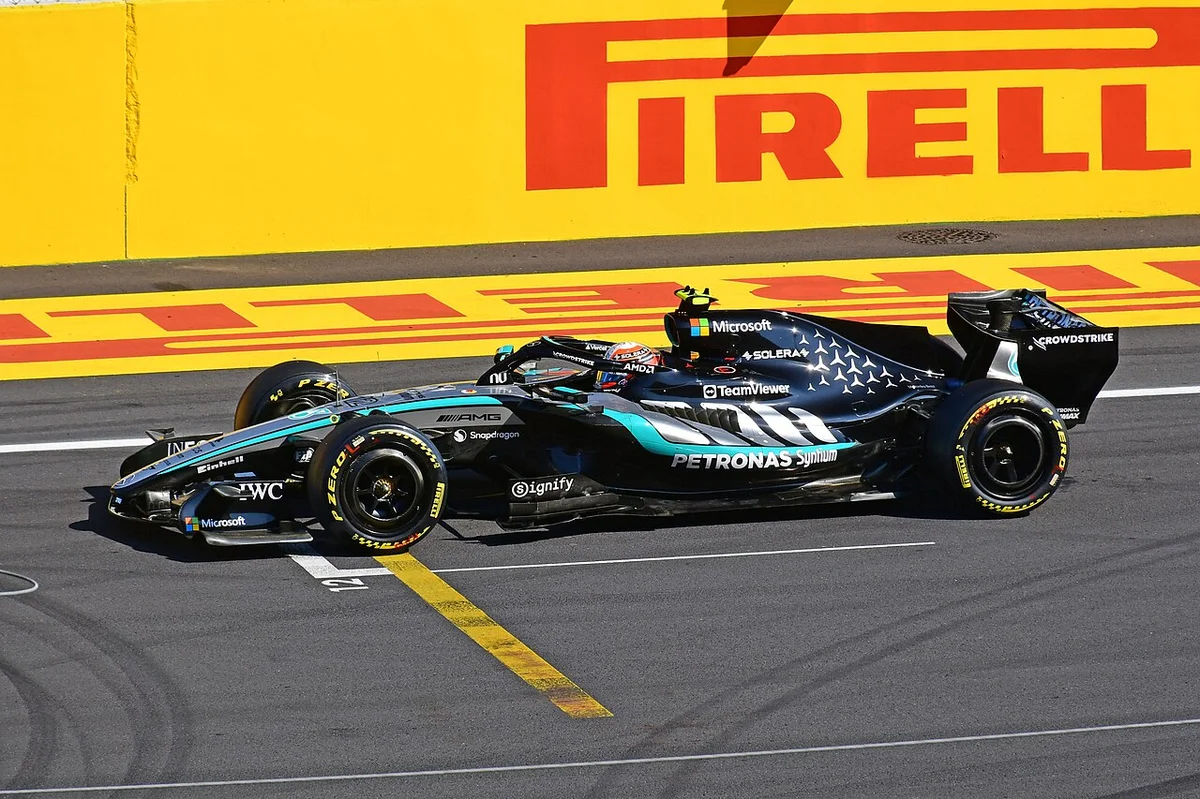
While their championship rivals wrestled with overweight chassis early on, Mercedes was already running lean. As those competitors gradually shed their excess mass, they unlocked lap time that simply wasn't available to the Silver Arrows, who had nowhere left to trim. When you combine that natural convergence with the handling gremlins introduced by the Sepang package, the sudden tightening of the field starts to make a lot of sense.
Thankfully, the squad has managed to largely tame those balance headaches by bolting on a revised front wing. Yet the episode serves as a stunning reminder of how quickly the margin for error evaporates in modern motorsport once the chasing pack catches up on the scales.


 F1