
MotoGP looks to the future following Barcelona incidents
It is a rare, honest look behind the curtain of the paddock. Following the high-profile incidents in Barcelona, MotoGP Chief Sporting Officer Carlos Ezpeleta has opened up about the rigorous process of reflection that happens whenever the sport hits a rough patch. There is a quiet, necessary intensity to this; it is not just about moving on, but about dissecting exactly what went wrong to ensure it does not happen again.
Ezpeleta is clear that the focus is on four specific areas: grid design, holeshot devices, rear-wheel protection, and warning systems for mechanical failures. While these changes will not be ready for the weekend at Mugello, the groundwork is being laid. The grid itself is under scrutiny, with unanimous consensus among all 11 teams to potentially increase space between riders heading into Turn 1—a major structural change that could reach completion by 2027.
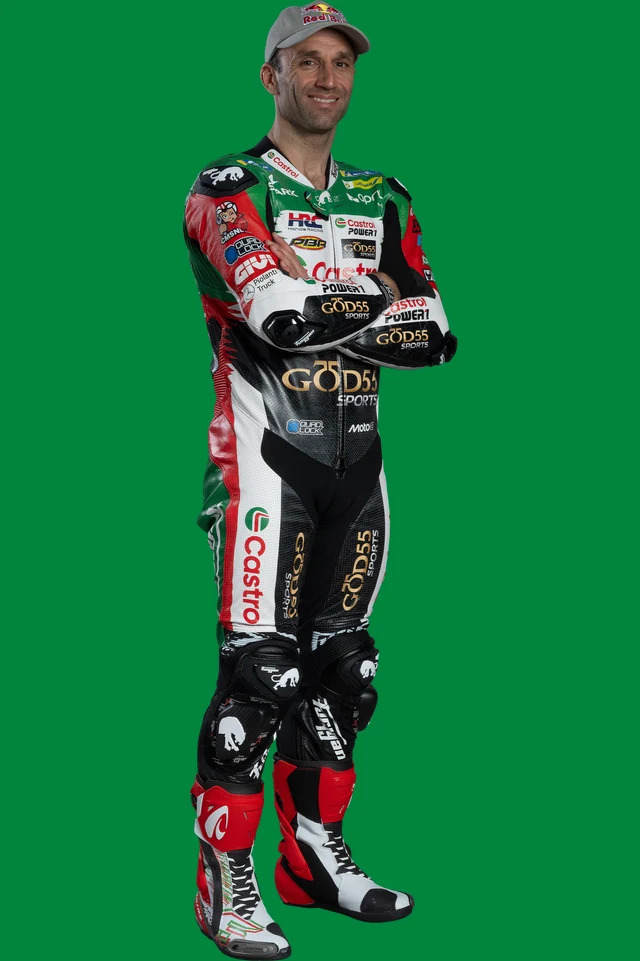
Then there is the matter of the machines themselves. The manufacturers are now tasked with finding solutions for swingarm protection following Johann Zarco’s crash, and addressing the complexities of holeshot devices. "After every incident we have to see what we can learn from, what we can improve," says Ezpeleta. It is a sobering, necessary process for a sport that knows it must constantly evolve to protect its own.


