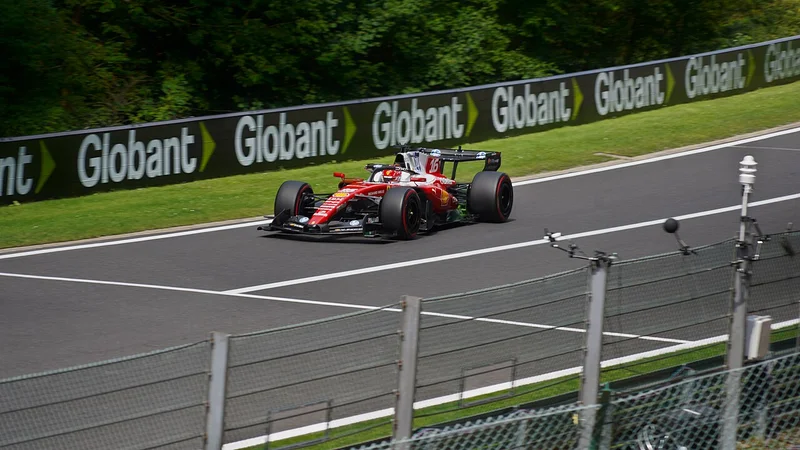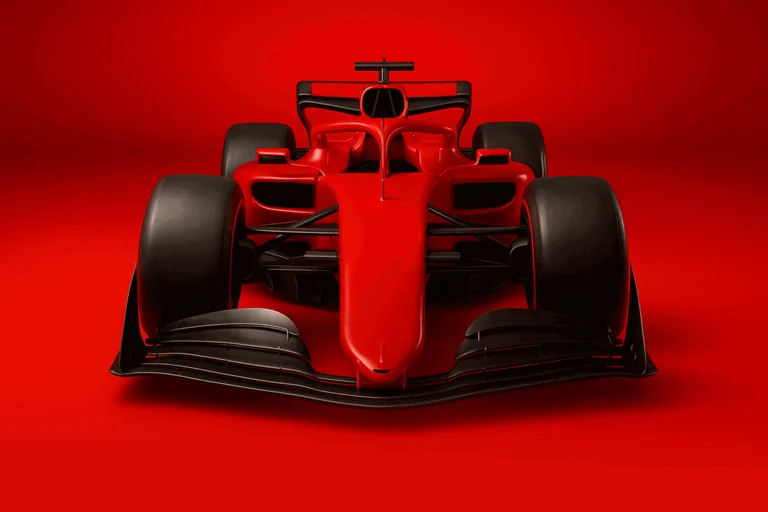
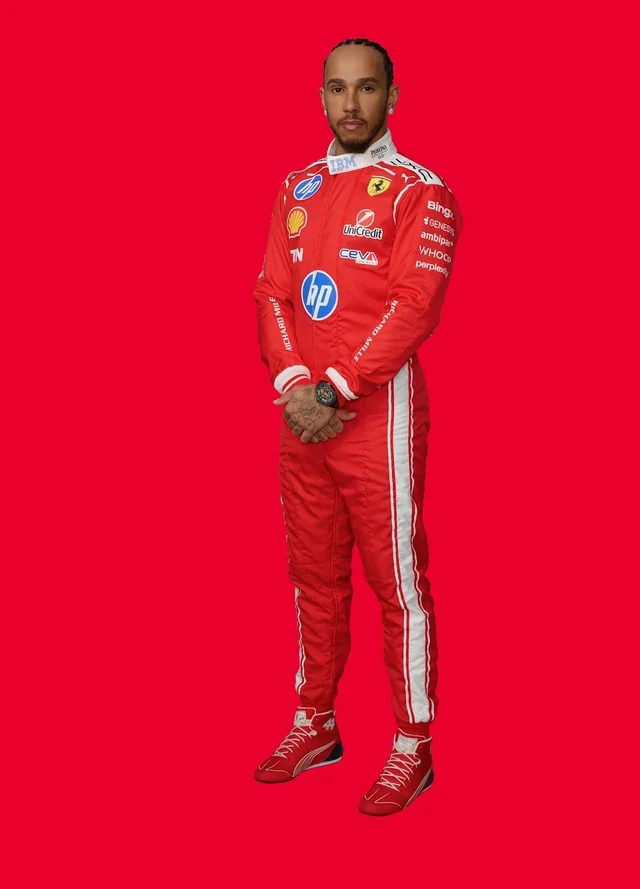


As Motorsport.com Italia reports, it was a brutal weekend for Lewis Hamilton in Baku, struggling right from Thursday to get his tyres switched on—an issue that is perhaps unsurprising on a street circuit like this one. When pressed on whether Ferrari now sits as low as fourth in the pecking order, Hamilton pointed out that the SF-26 is certainly no longer the second-fastest car on the grid, though he quickly reaffirmed his backing for team boss Vasseur.
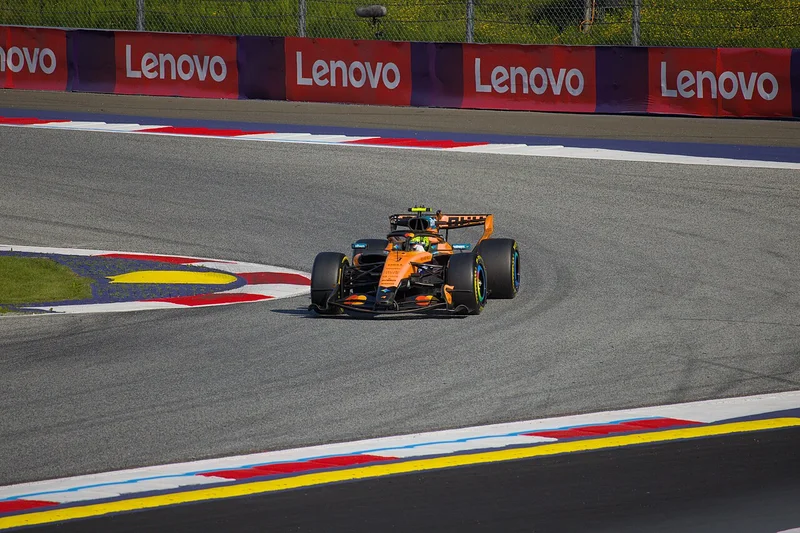
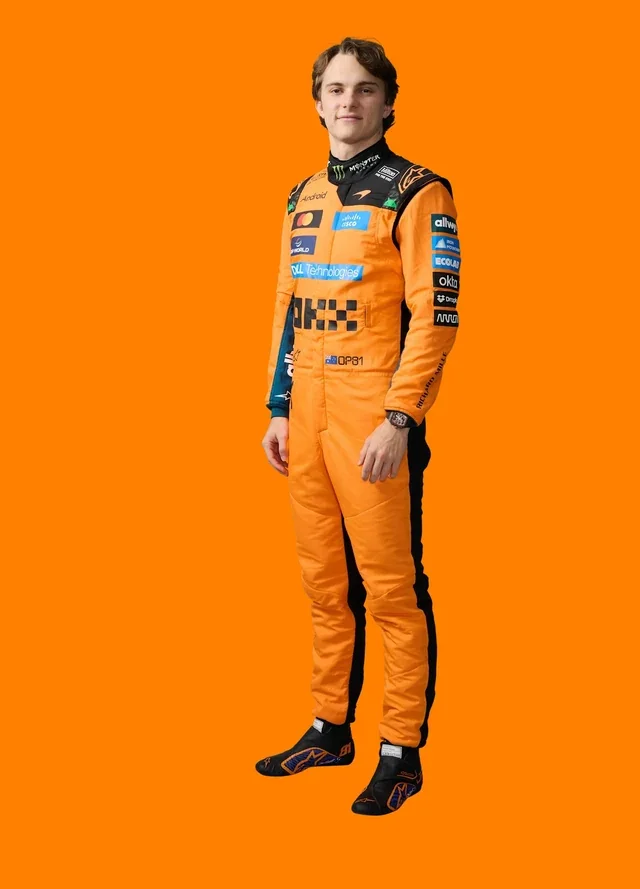
Ferrari did leave Azerbaijan with one tangible silver lining: even on a weekend where the car was expected to suffer, they somehow managed to stretch their advantage over McLaren in the constructors' standings. It was far from guaranteed. Oscar Piastri realistically had the chance to finish ahead, while Lando Norris ran into trouble. That mistake from the Australian gave the Scuderia some breathing room, but Charles Leclerc immediately raised a red flag regarding their performance trajectory.
And then the deployment: these guys seem to have power, power, power everywhere. It's pretty crazy to see that you have to defend in places where you normally shouldn't, like turn 2, 4 or 5,
Leclerc noted that while the deficit on the straights remains a massive chunk of their overall lap-time loss, the traditional cornering advantage that Ferrari enjoyed earlier in the year is rapidly evaporating. That reality bit hard in Baku. In the second sector's slow corners, the SF-26 failed to assert itself as the benchmark. It lost out not just to Mercedes, whose traction out of slow turns has been a strength all season, but also to Red Bull, a machine historically sharp on tracks requiring constant acceleration and braking zones.
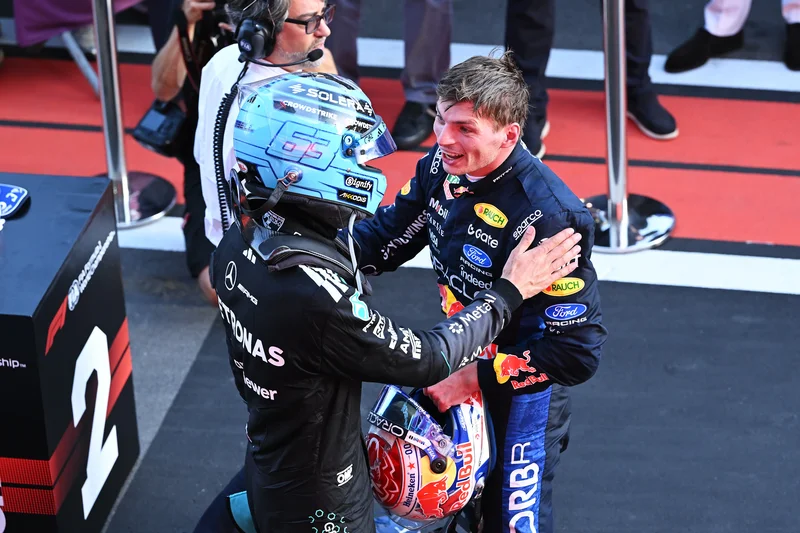
Looking back across recent grands prix, a Ferrari podium has been missing since Spa. Even more telling is that Max Verstappen holds at least two more podiums than the drivers from Maranello, despite Red Bull's often difficult machine frequently acting as the second force on track. It is a glaring sign of how much Ferrari has struggled to capitalize on opportunities when they should have been building momentum. The trend is what genuinely worries the drivers, beyond just the lack of top-end power.
Throughout the race, Hamilton fought a losing battle with energy deployment and temperature management. "For the whole weekend, the problem was turning the tyres on, I don't think I ever really got them into the window, and I don't really understand why that happens with our car," Hamilton said. Modifications in final practice helped slightly, but qualifying was a freezing struggle. While other cars seemed to suffer less, Hamilton found himself stranded. "And in the race it was like that, all race. I think at the end of the first stint, all of a sudden the tyres switched on and I had decent pace. But then we went to the medium compound and they didn't work."
The deployment deficit only added to the misery. "And then the deployment: these guys seem to have power, power, power everywhere. It's pretty crazy to see that you have to defend in places where you normally shouldn't, like turn 2, 4 or 5," Hamilton added, noting his power unit frustrations started as early as lap two. Looking ahead to Malaysia, completely different circumstances await where tyre overheating will replace warm-up woe, though long straight lines will still pose a threat to the SF-26.
When pushed on whether the team has dropped as far back as fourth, Hamilton refused to panic over arbitrary rankings. "What is the importance of all of that? Why should I agree? I don't know if we're third or second, I don't know. At the moment it's clear we're not the second force. But today we're ahead of McLaren, so maybe we're third," he stated. Faced with further probing about whether he still maintains complete trust in Fred Vasseur amid recent paddock noise, Hamilton offered a swift and unequivocal reply: "Yes."