

As FormulaUno.it reports, speaking in the press conference after the Baku Grand Prix, Frederic Vasseur laid bare the limitations facing Ferrari, pointing directly to the power unit as the SF-26's most severe bottleneck. Even after pulling off a surprise front-row start on one of the most power-hungry circuits on the calendar, the Scuderia found themselves fighting a defensive rear-guard action when the lights went out. Vasseur noted that in those opening laps and restarts, the car bled a position every single lap before losing touch with the race pace entirely. It was, as he put it, the maximum the team could salvage on the day to bring home a fourth and sixth place, though satisfaction was nowhere to be found.
That straight-line speed deficit triggers a punishing tactical spiral. To fight back on the straights, the team is forced into running lower download than their optimal setup, which in turn chews up the race pace even further. Vasseur compared the situation to Monza, noting that while the upcoming tracks will be slightly less punishing in this regard, the underlying power unit disadvantage remains distinct from the chassis. On that front, the team principal argued that chassis performance naturally converges much faster than engine development, admitting that any historical advantage the SF-26 held on the chassis side has likely shrunk or vanished altogether. Still, when weighing the estimated engine deficit against the rest of the package, Vasseur made it clear that the chassis is far from Maranello's primary problem.
Looking ahead, upgrades are on the way and the team intends to keep pushing until the very last corner of the season, wherever and whenever that might be. Vasseur also offered a dose of realism regarding rival strategies, noting that teams like Red Bull will inevitably keep rolling out manufactured parts long after development has supposedly stopped simply due to production lead times. At the same time, response times to track upgrades are never guaranteed, as new parts occasionally demand time to properly calibrate with the tools on the car while every operation simultaneously begins shifting more of its weight toward the rule changes looming for next year.
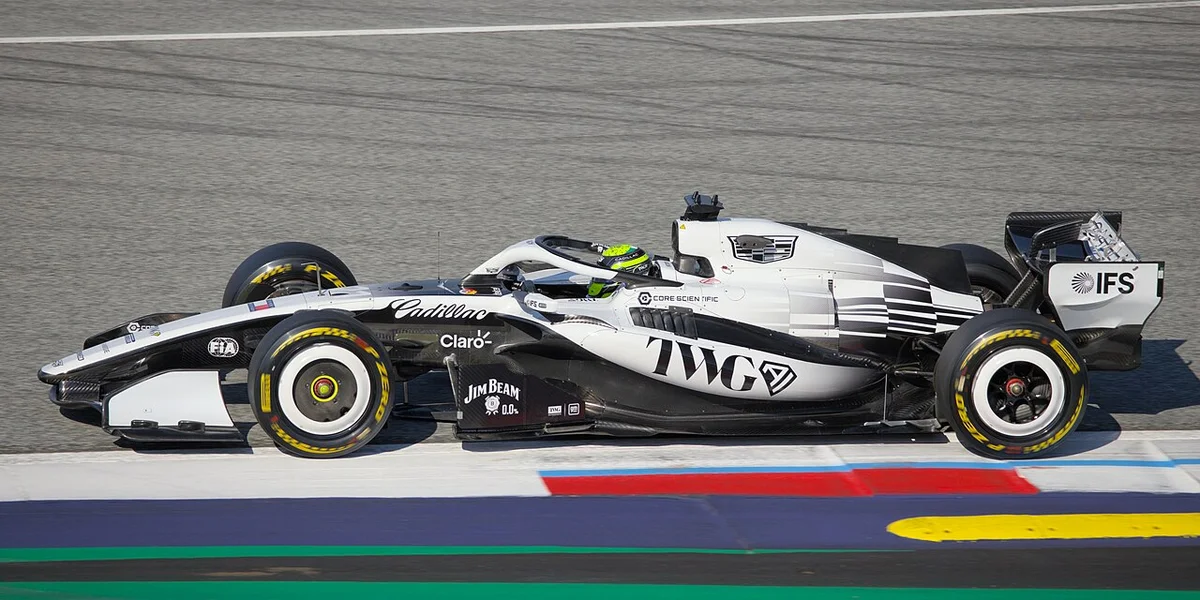
Finally, addressing concerns raised by Sergio Perez regarding straight-line speed deltas, Vasseur drew a sharp line between a normal competitive gap and genuine hazard. While a four or five kilometer-per-hour difference is massive, he dismissed the notion that it constitutes a danger in itself. Instead, the only truly perilous moments occurred during qualifying when cars running out of battery shared the track with cars finishing their hot laps, creating staggering speed differentials of sixty to eighty kilometers-per-hour through turns sixteen, seventeen, and eighteen.
.webp&w=800)