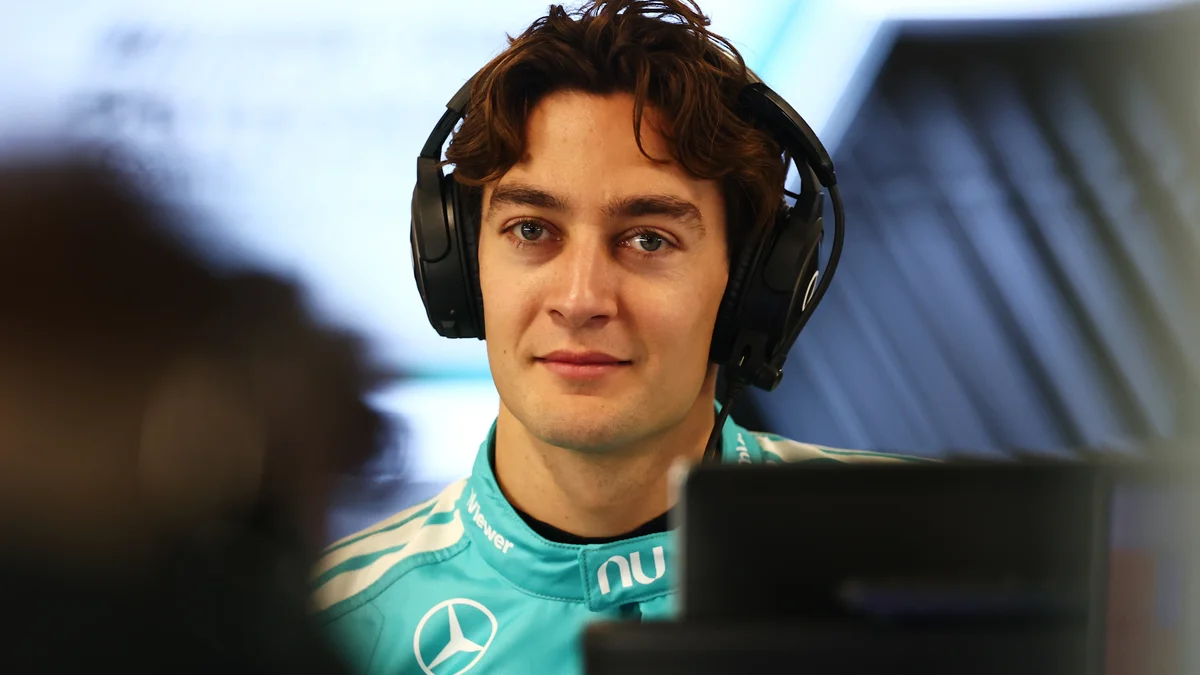


Here's the funny thing about topping the timesheets: sometimes it tells you absolutely nothing. George Russell put Mercedes at the very top on Thursday in Las Vegas, setting a 1m 47.272s right as the chequered flag dropped in wet and drying conditions during the second one-hour practice session. It left him less than one-tenth clear of Pierre Gasly's Alpine. But let's be honest about the machine underneath him, because the driver himself isn't buying the headline.
"Realistically we probably were not the fastest today," Russell admitted after climbing out of the car. He noted that McLaren looked exceptionally fast, and Charles Leclerc was flying at various points of the afternoon. The reality of the session was simple timing: Mercedes grabbed their fast lap precisely when the track was at its driest, while Lando Norris failed to even run.
Thursday's track time was the only meaningful running anyone managed all day, and with dry weather expected on Friday, the upcoming Free Practice 3 is going to be wildly important for figuring out cold-weather tyre performance. Nobody has a clue how the graining is going to behave by Sunday. Last year was a straightforward one-stop affair, but the year before brought heavy graining and a two-stop race. Those are massive question marks, and Russell points out they probably won't get answered until the actual lights go out.
Meanwhile, down in the garage, the two Mercedes cars are on slightly different paths. Russell chose not to run a newly introduced turbo this weekend. His teammate, Kimi Antonelli, took it.
That new turbo comes paired with a brand-new internal combustion engine for Antonelli's Mercedes, marking his sixth ICE of the season. Since that blows past the permitted allotment of four, Antonelli will cop a five-place grid penalty for the grand prix. Antonelli finished FP2 down in P8, and both he and Russell struggled somewhat for overall pace.
Speaking on the hardware changes, Mercedes Deputy Team Principal Bradley Lord explained the upgrade offers a very small performance gain in the tens of milliseconds. They will need proper dry running to fully understand the benefits and see how it helps the drivability of the power unit.


 F1