

Here's the thing about starting on the back foot: it doesn't mean the race is run before it begins. As Motorsport.com España reports, the Nissan Formula E Team enters the new Gen4 era with homework left to do, admitting openly that their preparation hasn't kept pace with expectations. Development delays and reliability issues have put them behind some of their rivals right out of the gate. But the Japanese manufacturer isn't hiding behind excuses, trusting instead in a relentless development curve as the championship unfolds.
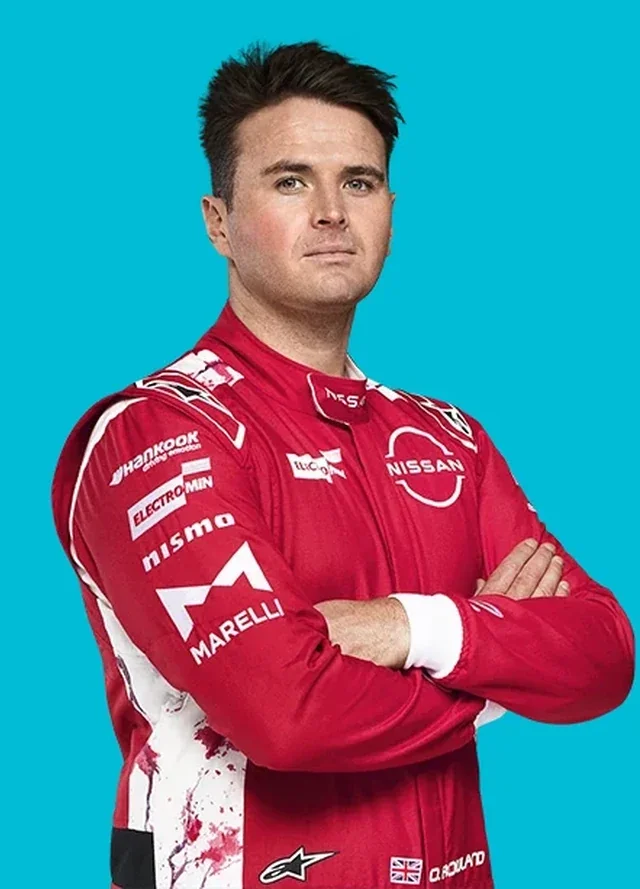
"No hay que engañarse: vamos un poco por detrás en algunas cosas," admits Oliver Rowland of the Nissan Formula E Team. The driver explains that transitioning to Gen4 hasn't been as smooth as hoped following two relatively strong seasons. While they might not be as prepared as desired, the path forward is clear enough. Rather than obsessing over the immediate timesheets, the focus is squarely on where the team stands by the middle of the campaign. Rowland points out that the squad must maintain a steady rhythm of improvement through the first half of the season, noting that even an early pacesetter can easily stumble if the hard work stops.
That technical challenge runs deep. Development driver Sam Bird points out that the birth of Gen4 has been uniquely complicated, rendering much of the knowledge accumulated across previous vehicle generations essentially useless for the new machine. The increased downforce alone has thrown a massive curveball at anyone unaccustomed to such characteristics, demanding an immense amount of engineering effort. Even so, Bird sees the team moving in the right direction, noting that no one on the grid has yet extracted the maximum potential or efficiency from these complex new beasts.
Team principal Tommaso Volpe explains that earlier reliability gremlins forced them to burn valuable time and resources fixing issues, which ultimately choked their core development program. While small quirks still pop up, they no longer keep the car off the track. According to Volpe, the true measure of their deficit isn't a single lap time, but rather the sheer volume of laps required to reach maximum performance compared to rivals who drop straight into the groove after just two tours.
Don't expect miracles at the very beginning, either. Volpe concedes that the machine lining up for the opening rounds won't be among the grid's elite, with certain planned updates still missing from the package. Instead, testing is functioning as an active extension of development. Yet Volpe believes the calendar itself might offer a helping hand. The arrival of some events later in the schedule provides crucial breathing room, and a spread-out opening phase featuring single races rather than double-headers—with four or five individual rounds early on—gives the squad vital windows to analyze data, return home, learn, and iterate before the next lights-out.
Thankfully, no one inside the garage is using the back-foot start as a shield for poor performances. Volpe insists it is no excuse to write off the opening races, and that the team will push for victory regardless. The challenge now is translating lost development time into rapid trackside evolution. After all, arriving late to the party doesn't mean the night is over.
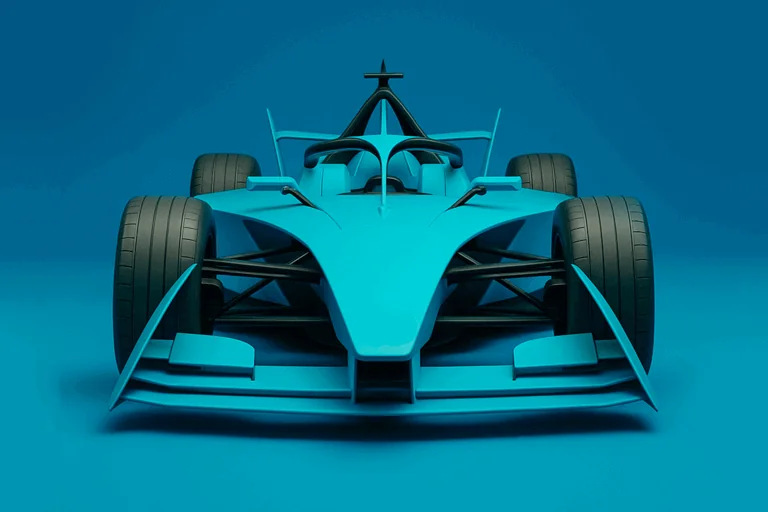
 Formula E
 Formula E
 Formula E
 Formula E
 Formula E
 Formula E