

Mission accomplished. That is the verdict coming out of Indianapolis Motor Speedway after the next-generation Dallara IR-28 wrapped up a crucial two-day test on the 2.5-mile oval in superspeedway configuration. Following a road-course outing earlier across three days on the 2.439-mile, 14-turn layout, this latest test was entirely about gathering vital data and validating design targets rather than chasing raw speed.
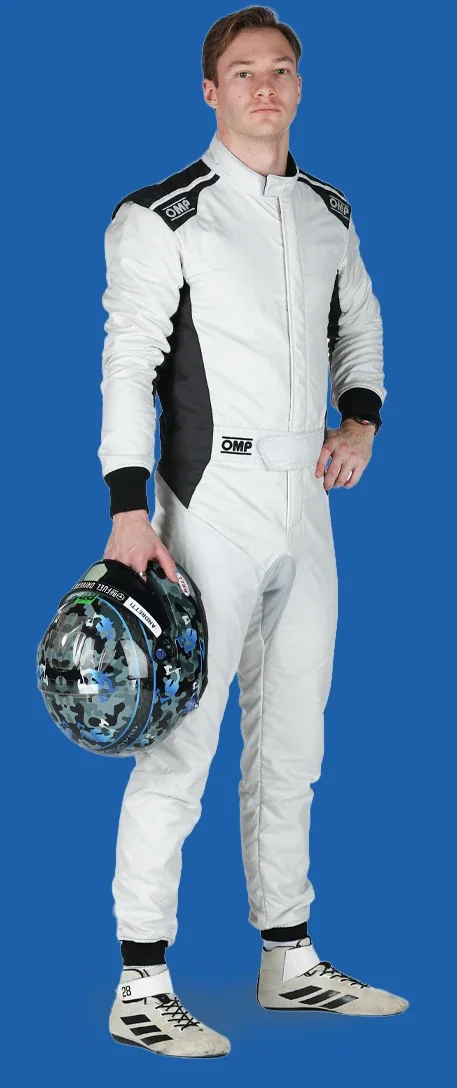
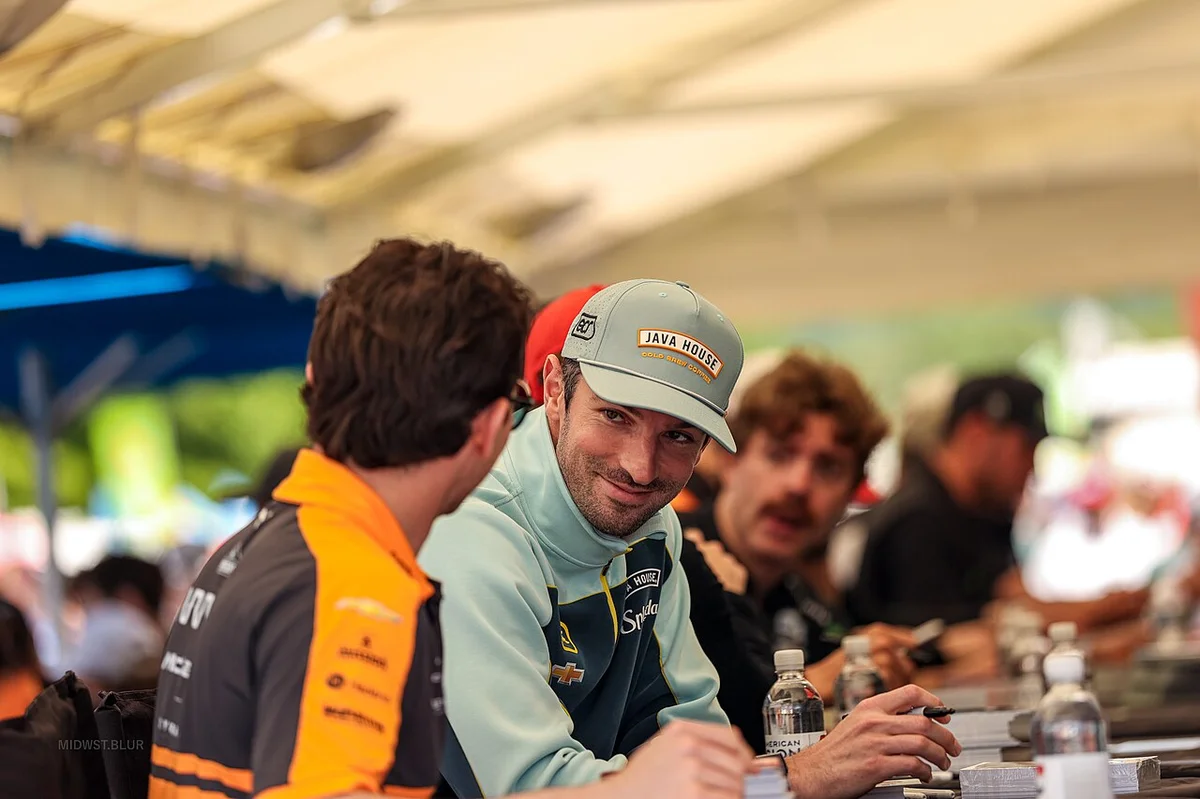
Alexander Rossi and Alex Palou handled driving duties for the validation tests. Rossi represented Chevrolet and ECR, while Palou (noted as a five-time series champion by the source) represented Honda and Chip Ganassi Racing. Rossi is a past winner of the Indianapolis 500 presented by Gainbridge in 2016, and Palou captured his own "500" victory in 2025. While the road-course setup relied on larger front and rear wings to generate heavy downforce for braking and cornering, the superspeedway configuration shifted focus to smaller wings designed to reduce drag and keep the machine stable at high speeds.
INDYCAR and Dallara used the oval test to scrutinize aerodynamic sensitivity and ride height. Mike O'Gara, INDYCAR's vice president of competition and race engineering, pointed out that altering a turn of the front or rear wing immediately impacts the aero balance. Because cars run extremely close to the ground for performance, maintaining a stable aerodynamic platform is vital. One of the core design goals for the IR-28 was reducing ride-height sensitivity so the car races better and handles fluctuations in air and track temperature more reliably.
Mother Nature provided a stern test of that objective on September 9 as temperatures surged into the low 90s alongside high humidity while Rossi completed the opening day. Instead of micro-adjustments, the team made massive 5- and 6-millimeter ride height swings to stress-test the machine's responses, producing driver feedback that aligned squarely with the telemetry. Palou took over the following day in conditions roughly 10 degrees cooler with lower humidity, effectively compressing a traditional Month of May practice program into a rapid, data-heavy window.

Crucially, the new machinery experienced zero unexpected component interference and sailed through its initial track test without missing a beat. Dallara parts were swapped on and off to verify that actual track numbers matched original wind tunnel predictions, and the correlation was spot on.
Then, of course, there is the matter of speed at Indianapolis. While lap records were not the goal, the IR-28 will utilize a 2.4-liter twin-turbocharged V6 internal combustion engine capable of producing up to 760 horsepower. Paired with an evolved low-voltage hybrid system that cuts the power unit's weight by approximately 20 pounds compared to current generation units—with both Chevrolet and Honda committed—the package has already shown encouraging potential. O'Gara noted that the early data allows INDYCAR to give the OEMs precise horsepower targets for the new engine formula, raising the tantalizing prospect of whether iconic historical benchmarks like Arie Luyendyk's May 12, 1996 four-lap qualifying record of 236.986 mph and single-lap mark of 237.498 mph could eventually come into range. For now, the numbers match the models, and testing remains right on target.