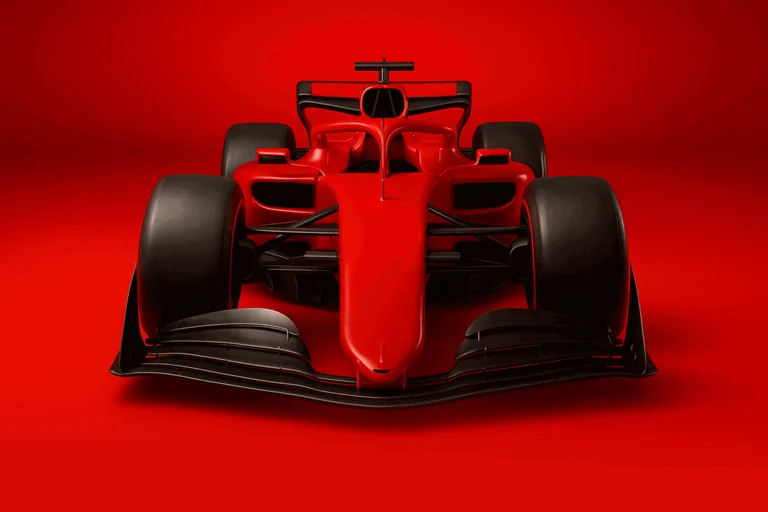


An unprecedented grid suspension at Sepang was caused by a standard software bug that left several cars completely unable to deploy power, as Motorsport.com Italia reports. The bizarre start procedure delay in Formula 1 happened after a formation lap where the field slowed down dramatically, creating an accordion effect.
Nikolas Tombazis, the FIA technical director, explained that the combination of extremely low speeds and specific zones programmed for power reduction triggered an unforeseen software glitch. "During the formation lap some cars went very slowly, almost coming to a stop," Tombazis said, describing the accordion effect. "At that point a bug prevented power from being delivered again and the cars from restarting."
For spectators waiting for the race, those twenty minutes might have felt like five hours, and it's understandable. We're sorry,
According to Tombazis, Max likely slowed down heavily at the front, catching the following drivers off guard and forcing them to brake harder to avoid contact. Because the standard software code is developed collectively by the FIA, the standard electronic control unit supplier, teams, and power unit manufacturers, the issue was not tied to any single motor manufacturer. The cars that suffered the fault were simply the ones that dropped to the lowest minimum speeds during the shuffle.
Testing conditions had never reproduced the scenario, as the series lacked wet-weather running and had not tested cars crawling at such reduced speeds under those exact circumstances. Once the fault was isolated, engineers scrambled to draft a software patch in just a few minutes, bypassing standard validation procedures to distribute the fix to every team.
Installing the emergency update across all the cars required roughly twenty minutes. Tombazis acknowledged the frustration for fans watching the delay, offering an apology while defending the rapid intervention. "For spectators waiting for the race, those twenty minutes might have felt like five hours, and it's understandable. We're sorry," he stated.
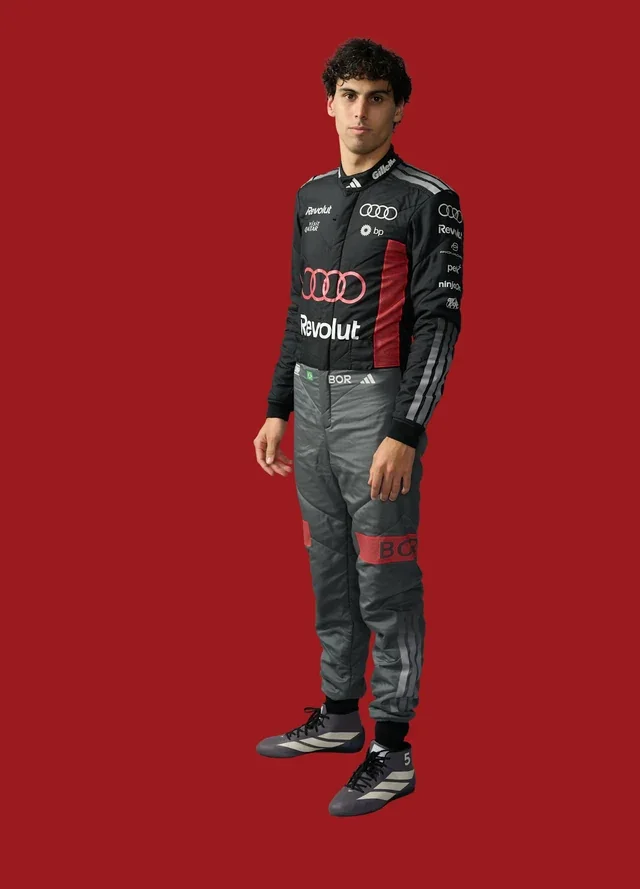
Looking ahead, the increased electrical weight and complex interactions within the new power units present ongoing challenges that require deeper investigation. While guaranteeing that this exact glitch will not happen again, Tombazis admitted he could not offer absolute immunity from future software anomalies. Gabriel Bortoleto, Audi F1 Team, and Liam Lawson, Racing Bulls, were among those navigating the chaotic weekend.