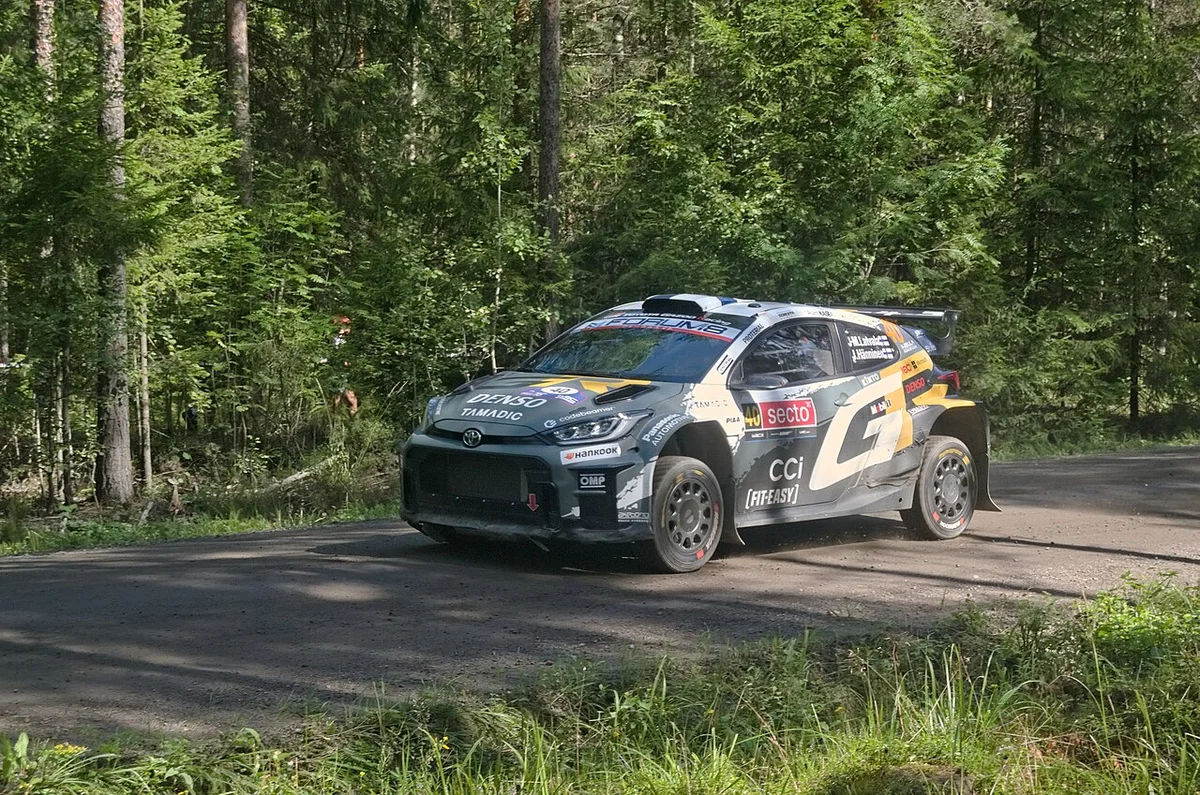


Barring a freak event, new Rally1 cars will hold the performance edge required to win every World Rally Championship event in 2027, according to team bosses at Toyota and M-Sport. As Motorsport.com reports, the performance gap between Rally1 and Rally2 machinery has landed back in the spotlight following a WRC Commission proposal to further segregate the classes, ensuring only top-tier Rally1 cars can fight for the ultimate championship prize next year.
The WRC1 classification emerged from a draft of sporting regulations discussed during Monday's WRC Commission meeting, which now heads to the FIA for a vote. Under this proposed system, Rally2 entries will no longer challenge for the overall rally win or overall championship points. Instead, the WRC1, WRC2, and WRC3 divisions will run on separate points systems, with Super Sunday points restricted solely to Rally1 crews.
These proposed rule changes arrive alongside new technical regulations for 2027 that drastically shrink the performance gap between the two classes. With Rally1 machines holding only a 10-15hp advantage over standard Rally2 cars, concerns have surfaced that a Rally2 machine running lower down the gravel order could outpace the headlining class. Toyota team principal Jari-Matti Latvala remains confident, however, that superior machinery and driver talent will keep Rally1 on top.
Latvala told Motorsport.com that while Rally1 will be faster, it will not be significantly faster, and he expects the championship to be won by the new cars. He noted that although Rally2 cars might occasionally win specific stages, top-tier drivers piloting Rally1 machinery possess a distinct level of skill across a three-day rally, meaning Rally2 cars cannot sustain that winning pace over a full event unless widespread retirements strike.
M-Sport-Ford team principal Richard Millener shares a similar outlook, though he anticipates certain anomalies where road conditions could hand Rally2 cars an advantage. Millener told Motorsport.com that while trouble-free top-category cars and drivers will remain very difficult to beat, specific rounds like Sweden can present favorable road conditions for fresh snow runners, allowing them to pull huge chunks of time that cannot be clawed back.
Beyond raw performance, Millener highlighted commercial and structural motivations for the push toward WRC1, likening the setup to the World Endurance Championship multi-class structure. He argued that the change creates a clear, simple hierarchy for casual fans to understand while forcing constructors to build new kits or cars to upgrade Rally2 machines, ultimately driving up manufacturer participation and championship value.