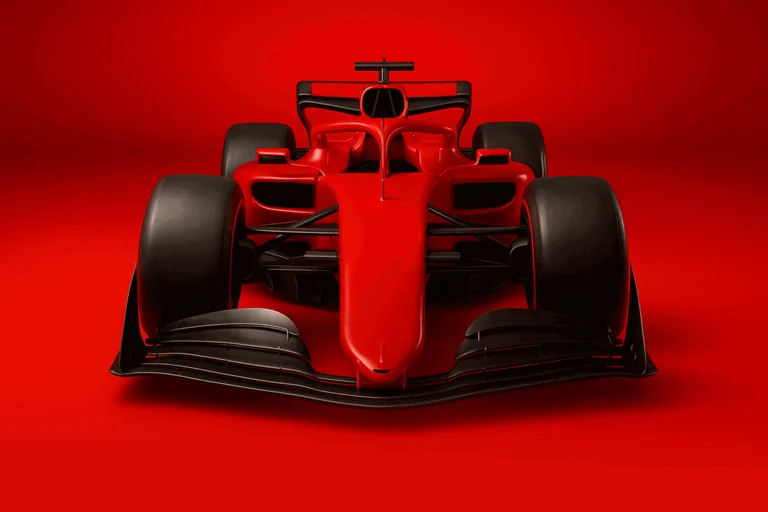
According to Motorsport.com, Formula 1 fans around the world faced an almost hour-long wait during the Bahrain Grand Prix in Malaysia, staring at cars parked in the pitlane while mechanics wandered about. A combination of rain and a software glitch threw complex power units into disarray, forcing Max Verstappen and Lewis Hamilton to crawl down the track at golf-cart speed during the formation lap. The chaotic start led to a red flag and left dedicated followers wondering if modern F1 has lost its soul.
While the race eventually delivered a decent show with a battle at the front and a back-to-front charge from Hamilton, the build-up felt completely detached from the sport's golden eras. Decades ago, rain brought anticipation and incredible wet-weather battles, like Michael Schumacher and Rubens Barrichello going off almost simultaneously at Sepang in 2001 before staging an overtaking fest. Instead, modern fans watched computer interventions dictate the action.
Drivers were just as vocal about the over-regulation. Alex Albon noted after the flag that the track was good enough to start on wet tyres, wishing for proper running in those conditions. George Russell dismissed the day as a bit of a faff, pointing out the delay, red flag, and endless laps under the safety car. Oliver Bearman admitted he did not even know the FIA could control the throttle pedal, calling it quite scary and proof that intervention has gone too far.
F1 is undeniably booming, bolstered by Netflix and Hollywood blockbusters, with fan surveys returning positive numbers. Yet, those who have followed the championship for decades find themselves asking difficult questions about whether it remains the series they fell in love with. When algorithms and software glitches decide more than the driver, the core fanbase is left with a sour aftertaste.
Nobody is asking to completely halt progress or ban technology, but there is a clear plea from the petrolheads for simpler machines and fewer electronic shackles. If the sport wants to retain its most loyal supporters when the current boom eventually slows down, it might need to ensure that when it rains, the world's best drivers can actually race.