
As Autosport reports, the Japanese Grand Prix delivered a striking lesson that the MotoGP paddock simply cannot afford to ignore, centered entirely around a hard rear tyre that nobody wanted to touch until it was almost too late.
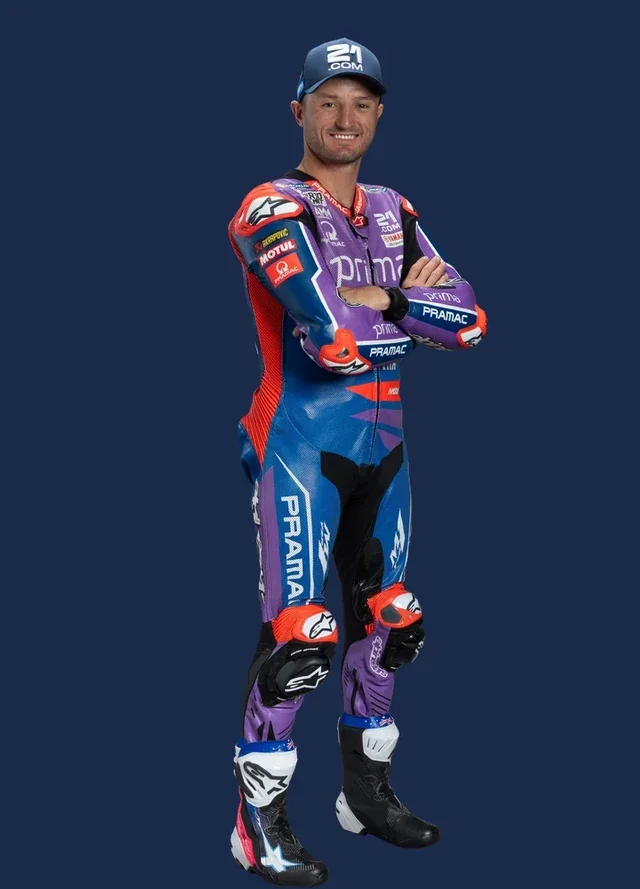
On the Thursday afternoon ahead of the weekend, Jack Miller spoke to the media about the tyre allocation supplied by Michelin. There were three options for dry conditions: the conventional soft, medium, and hard compounds. Crucially, the latter featured a stiffer carcass, though that internal structure did not mean the rubber compound covering it was harder. In fact, this hard specification featured a layer with the exact same composition as the soft version. Having experienced nightmares with stiff-carcass Michelins previously in Austria last month, Miller dismissed the option outright, stating, "That's not an option."
You have to remember that five manufacturers and 22 riders all reached the same conclusion, so there must be a reason for that,
Preconceptions dictated the entire weekend. None of the teams wanted to use the hard tyre on Friday or Saturday, even to test it on Motegi's newly resurfaced track. That new asphalt had been laid to perfection, offering plenty of grip while remaining highly abrasive. Everything changed after the sprint race, however, when Jorge Martin and Francesco Bagnaia finished with their soft rear tyres torn open through the central section. A crisis meeting followed, resulting in Michelin banning the soft tyre and extending the Sunday warm-up session from 10 to 20 minutes.
To the surprise of nearly everyone, the hard rubber worked brilliantly. The entire grid opted for the medium front and hard rear combination for the main event. Marc Marquez won the race, finishing 37 seconds faster than Bagnaia had been the previous year, while Enea Bastianini set four consecutive fastest laps in the closing stages. The stunning performance and durability left many riders kicking themselves.
"It is the riders' fault that we didn't try that tyre. Michelin told us it was a reserve, and normally you avoid using it. But I think from now on it is important to try every option available," Bagnaia said after finishing eighth. The Italian accepted full responsibility, noting that they failed to consider how the new asphalt combined with the soft compound of the hard-carcass tyre could work. Alex Marquez admitted that everyone hoped someone else would try it first, while Alex Rins pointed to the lack of time to get the bike set up during practice.
Others saw it differently. Luca Marini, who finished inside the top 10 for Honda, blamed past experience with that exact type of tyre at other circuits where it always performed worse than the others. "You have to remember that five manufacturers and 22 riders all reached the same conclusion, so there must be a reason for that," he noted.
Ultimately, Michelin's MotoGP boss Piero Taramasso confirmed that teams simply didn't want to try the tyre in practice due to a lack of time. It was clear that everyone got it wrong, leaving a valuable lesson for the races still to come.