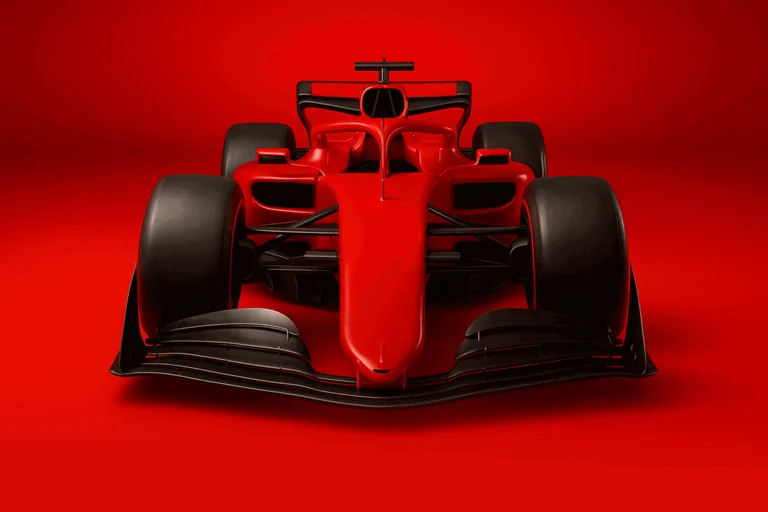


The first wet-weather race of the 2026 Formula 1 season descended into absolute chaos at the Sepang International Circuit when a software bug froze cars behind the safety car, forcing a red flag and a 40-minute delay. As Motorsport.com reports, the trouble began when leader Max Verstappen suffered a sudden loss of power while driving slowly during the formation laps. Lewis Hamilton then came to a complete standstill, with several other cars immediately following suit.
Nikolas Tombazis, the FIA single-seater director, explained that the issue stemmed from a multi-year software development project shared between the governing body and the teams. Because there has been very little wet running this year, the system was never thoroughly tested under such peculiar conditions. A concertina effect on the formation lap meant cars dropped to extremely low speeds in specific minisectors, triggering an unforeseen loop in the code that prevented power from being redeployed and left machines unable to restart. This tied directly into the reduced electrical power limit of 250kW mandated for wet conditions, which had been evaluated by teams like Red Bull and Racing Bulls but never pushed to those crawling speeds behind the safety car.
Drivers were left genuinely spooked by the mechanical failure. Oliver Bearman of Haas admitted to media that he had never experienced anything like it, noting that his throttle pedal completely stopped working as if disconnected, leaving the engine idling. It was a terrifying sensation for the grid, as the bug seemingly redirected all throttle input into recharging the MGU-K rather than driving the wheels.
Tombazis clarified that Mercedes-powered cars were not inherently immune to the glitch; rather, the spread of the issue depended entirely on whether a specific car hit those critical low speeds in the affected minisectors. With Max Verstappen slowing down significantly at the front, the ensuing accordion effect caught trailing drivers off guard, forcing harder braking and trapping certain cars in the software loop while others escaped.
To salvage the event near Kuala Lumpur, the FIA scrambled to deploy an emergency fix. Engineers rushed through a software update that lifted the energy limit constraints for the troubled minisectors, overriding the automated power reductions. While far from a watertight long-term solution, the hasty modification allowed the race to get underway again after teams installed the patch. Tombazis acknowledged that the rushed job was far from perfect, but insisted it successfully avoided compromising safety, racing, or fairness.
Though this exact glitch has now been patched, the governing body still faces hard questions about how such a glaring oversight slipped through months of preparation ahead of round 16 of the championship. Tombazis defended the process by noting that software bugs are a reality of complex modern systems, though he conceded that more wet testing would likely have caught the flaw beforehand. As Formula 1 machinery grows increasingly complex with massive electrical energy deployments, the FIA will face rigorous internal debriefs to ensure a similar disaster never repeats itself.