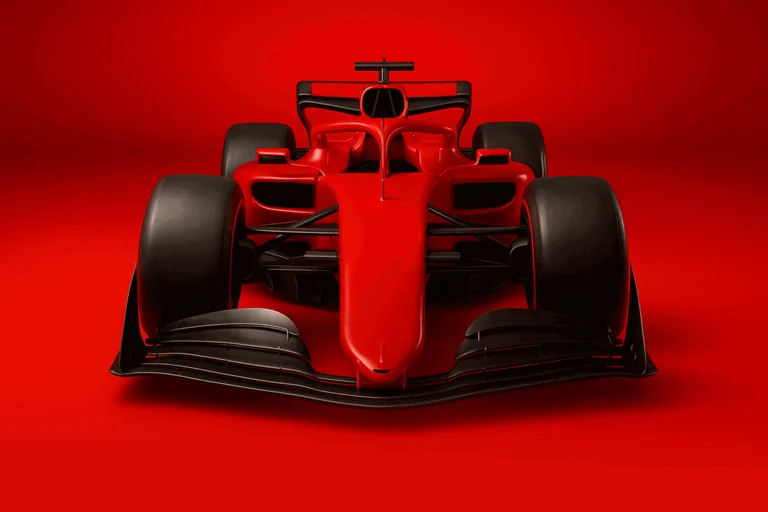


Mercedes has rolled the dice in a big way, bringing a substantial aerodynamic update package to a circuit Formula 1 hasn't visited since 2017. According to Motorsport.com, this massive revision to the W17 has been bolted onto both cars at once, leaving the team unable to run direct, side-by-side comparisons between old and new specifications in identical conditions. That missing baseline has made it an uphill battle to untangle whether the new parts are working or if the car simply hates the abrasive track surface.
Changes to the machine are extensive. The entire sidepod profile has been completely overhauled, forcing a redesign of the internal cooling architecture alongside a new floor featuring major revisions to the leading edge, diffuser, and furniture around the rear wheels. Because swapping back and forth between specifications during a race weekend is entirely off the table, the championship leaders are forced to trust the data while wrestling with an unexpected lack of pace.
All the numbers say it's an improvement, but obviously it's a sport where we need to follow the lap times and not what the numbers say,
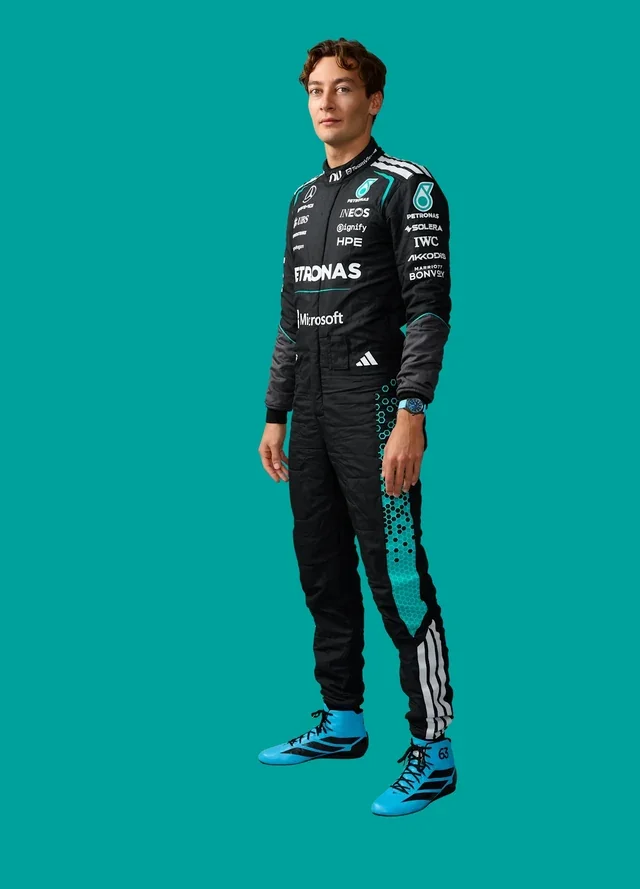
Qualifying laid bare those struggles. Championship leader Kimi Antonelli managed the fourth-fastest time, though his session was compromised when a track-limits violation in Q2 forced him to burn an extra set of Pirelli C4 soft tyres. That mistake left him with only a single set remaining for Q3, a costly limitation given the tyres' lack of resilience at Sepang. George Russell wound up eighth fastest, though both Mercedes drivers are set to gain a single place on the grid due to an engine penalty for Isack Hadjar. When all was said and done, Russell sat 0.741s away from Max Verstappen's pole position time.
"That is the big question mark," said Russell when asked if the team had found it difficult to extract the potential of the new package. "If you could have done a direct back-to-back it would have been great to know, but that's the challenge of this sport. If I put the upgrade package on last week, even if it was worse, we probably still would have been on pole and we'd have been saying it was fantastic. And equally, if we had the old car here, maybe the result would have been even worse."
What has genuinely baffled the garage is the W17's apparent aversion to the unusually rough asphalt at Sepang—a notorious layout featuring an abrasive, open aggregate designed back in 1999 to drain water quickly. While the upgrade package is unlikely to be the root cause of this strange behavior, it has thoroughly clouded the team's diagnostic efforts. Team boss Toto Wolff admitted that the squad was caught out on Friday by handling characteristics unseen all year, noting that the car felt very draggy, leaked immense time on the straights to Max Verstappen, and suffered from severe understeer in the slow-speed corners.
"It's very difficult to understand," said Wolff. "We've been a little bit caught out on Friday with some car behaviour that we didn't see all year... It looked really good in the morning [when Antonelli topped FP3 by 0.278s from Verstappen]. We seem to have at least with Kimi made a step in understanding. And then qualifying was a little bit back to what we saw before. Just no performance."
Russell echoed those sentiments regarding the punishing nature of the circuit, where lap times are roughly six or seven seconds slower than they were seven years ago and certain sections feel akin to driving on gravel. Yet despite telemetry indicating the upgrade is working exactly as intended, the stopwatch is telling a very different story.
"All the numbers say it's an improvement, but obviously it's a sport where we need to follow the lap times and not what the numbers say," Russell stated. "So the numbers look absolutely fine and in line with expectations. However, the result wasn't."