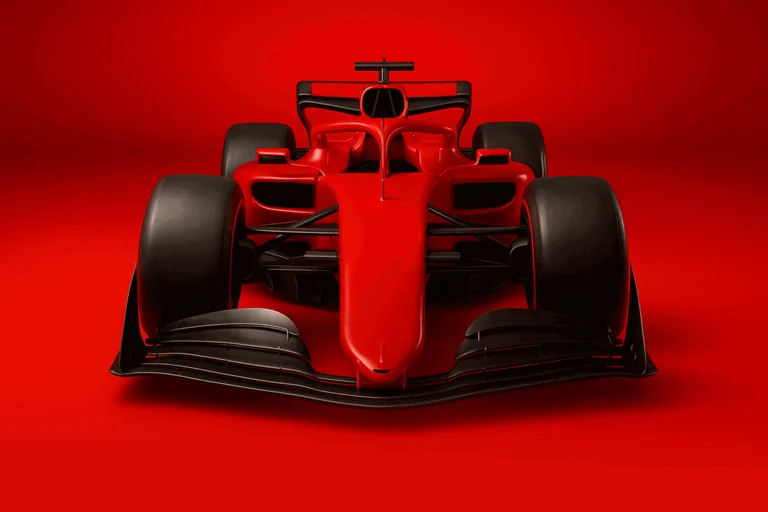


Here is the thing about upgrades: sometimes they work on paper, and sometimes they shock you on a totally different circuit. According to Motorsport.com Italia, Red Bull is finding itself surprisingly pleased with the heavy update package introduced at the Azerbaijan Grand Prix, discovering it performs even better than expected on the RB22 during practice for the Bahrain Grand Prix in Malaysia.
Now, the package itself features a weight reduction, narrower sidepods, and a new floor edge, bringing clear aerodynamic gains to a track with vastly different characteristics compared to Baku. Technical director Pierre Waché opened up to the press after the second free practice session at Sepang to break down a brutal day of running.
I hope that it can add a little unpredictability, especially from the point of view of strategy and the possibilities we will have to manage the situation,
"Personally it was a difficult day for the heat. Also for the car it was complicated, and the same goes for the tyres," Waché explained. Track temperatures hit 60 degrees Celsius, a level this machine had never faced before, while a dusty, dirty circuit made grip a moving target throughout the session. Yet, despite initial doubts about low-speed corners, the upgrades cleared expectations. "We were not very optimistic at the beginning of the weekend. The main goal for us was to evaluate the package we had introduced at Baku in different types of curves and at low speeds. It seems that fonctionne better than the previous package. It is difficult to judge our relative performance here, but we remained surprisingly satisfied with where we found ourselves today."
Fans watching the timing screens might have noticed Max Verstappen sticking strictly to Soft tyres in the first practice session, before running exclusively on Mediums in the afternoon. The Milton Keynes outfit poured all its energy into long-run evaluation on the medium compound, hunting for data to map out tyre degradation and track evolution ahead of Sunday's race—especially with rain threatening to wipe out running and a potential lack of dry data.
"We expected rain. We did not want to compromise the long run, which I think is the most important thing for this weekend, especially regarding degradation and to understand how the tyres behave, particularly the Mediums, because we had no data on the Mediums. We prioritized this aspect and, at that point, it was too late to use the Softs," Waché noted. Verstappen delivered an intriguing stint on a single set of Mediums, reeling off consistent laps that firmly plant him among the race favourites.
That said, qualifying is going to be an absolute premium. Waché pointed out that overtaking proved remarkably difficult even with a massive performance differential, with McLaren and Mercedes also showing strong long-run pace while teams juggle engine and energy management.
Add into the mix the classic Malaysian weather—where rain threatens every single session and the team has barely tested the evolved car in the wet since winter testing in Barcelona—and you have a recipe for pure chaos. "I hope that it can add a little unpredictability, especially from the point of view of strategy and the possibilities we will have to manage the situation," Waché concluded.