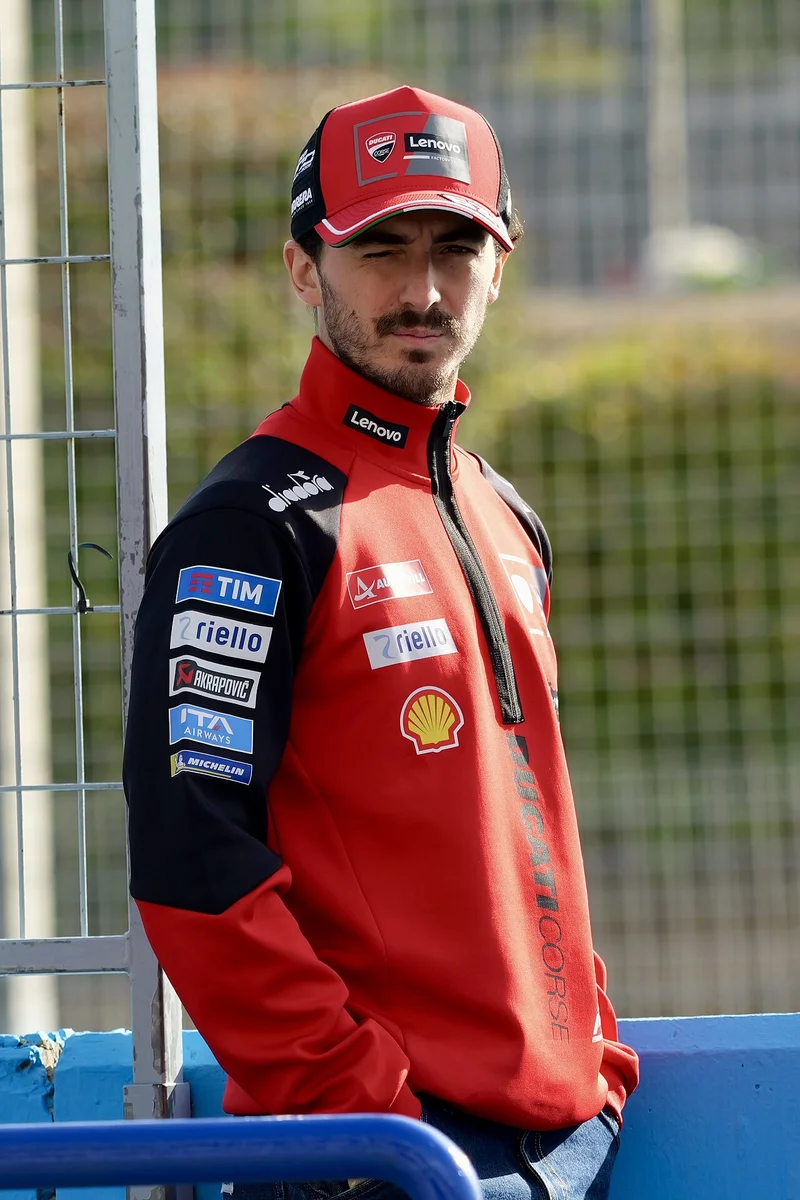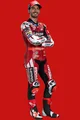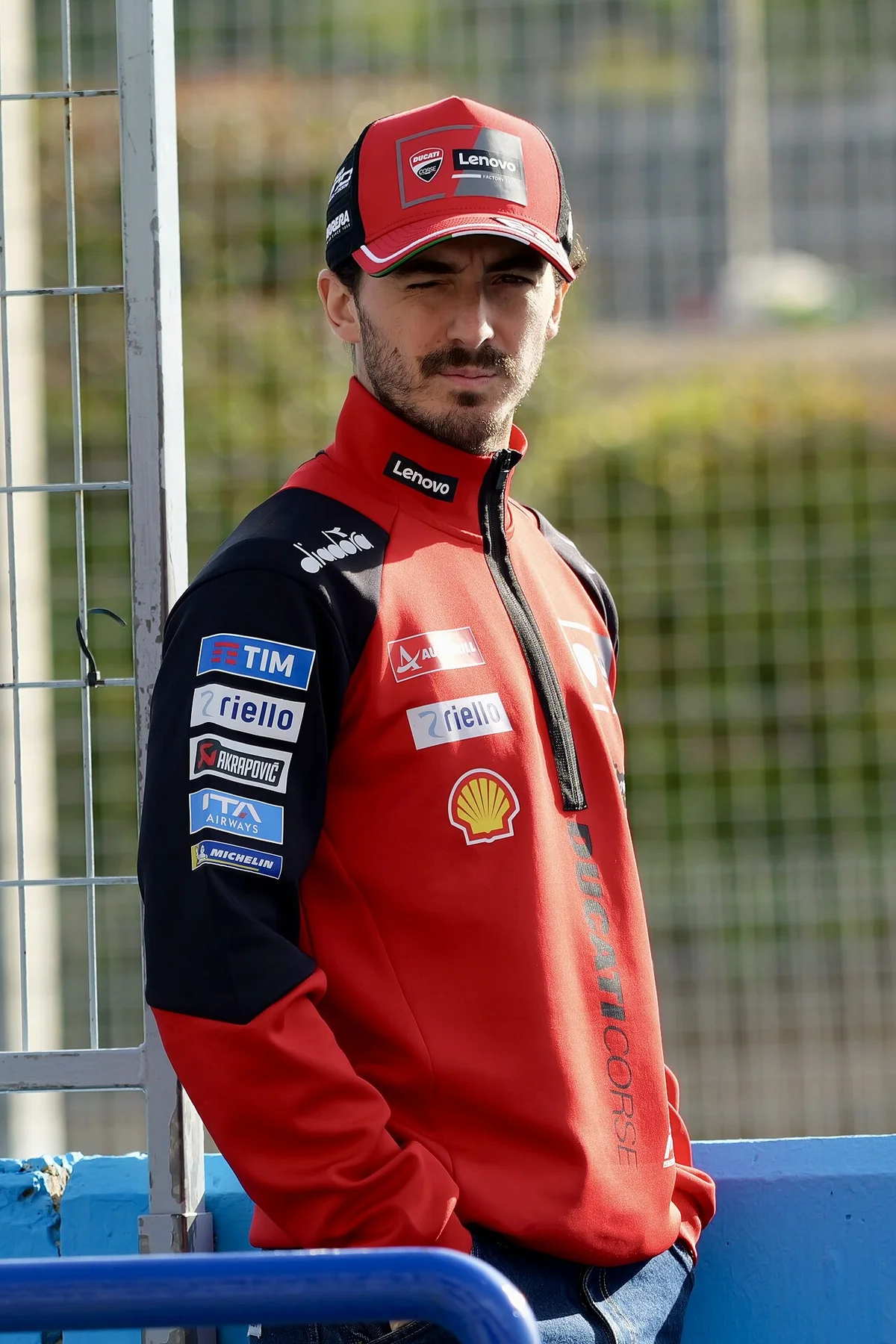

As Motorsport.com Italia reports, Sunday in Austria marked another small step forward for Francesco Bagnaia, who backed up his sixth place in the Sprint with a seventh-place finish in the Grand Prix, ending the race just two seconds behind Marc Marquez. Two years ago, such results would have felt devastating for the Ducati Team rider, but given his recent struggles—including three consecutive races without a single point after the summer break—this weekend served as a genuine breath of fresh air.
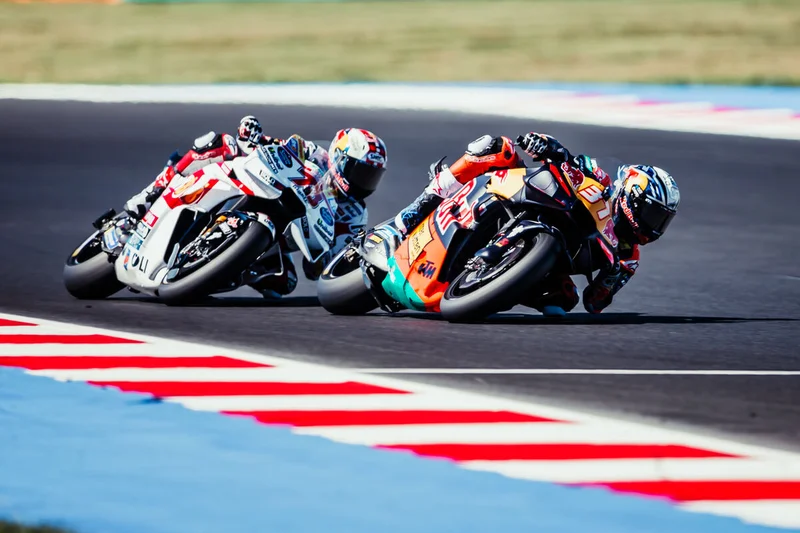
Yet, it is difficult not to feel that the timing was unfortunate. Coming to the Red Bull Ring, a venue where the red machines have dominated with nine victories in the last decade (three of them secured by Bagnaia himself), the expectation was certainly higher. Instead of rivals making a massive leap forward, Bagnaia pointed out that Ducati simply shed pace compared to the KTM of Pedro Acosta—who claimed his maiden MotoGP victory—and the Aprilia machines that locked down positions up to fourth.
Today, given the last three races, let's say it was important to stay as far ahead as possible but also to be able to finish the race,
"Unfortunately it was a fairly slow race too. The winner was very strong all weekend, but the race time was quite slow and we lost a lot of our potential on this track," Bagnaia explained to journalists at the circuit. "It's a pity because the tires stayed the same as always here and it's a shame not being able to exploit the good that we've always had."
While Ducati has previously suffered with Michelin's high-temperature tire carcass at other rounds, the three-time world champion dismissed the idea that the rubber was the primary culprit for their weekend struggles, noting that the specification is a constant fixture at this venue. Beyond the general lack of pace, the Sunday outing brought physical hurdles as well, including brake management issues that left him struggling to slow the machine down on a layout renowned for extreme braking strain—a complaint shared by his garage companion Marc Marquez.
Faced with those limitations, the rider opted for damage limitation and consistency. After a decent start, he dropped his pace by half a second once the overtaking battle intensified, choosing a conservative strategy to stay close to the pack while bringing the machine home safely.
"Today, given the last three races, let's say it was important to stay as far ahead as possible but also to be able to finish the race," Bagnaia concluded. "If today I had to give 100% I gave it, but in situations where I could avoid risking too much I did it. But it's a starting point."