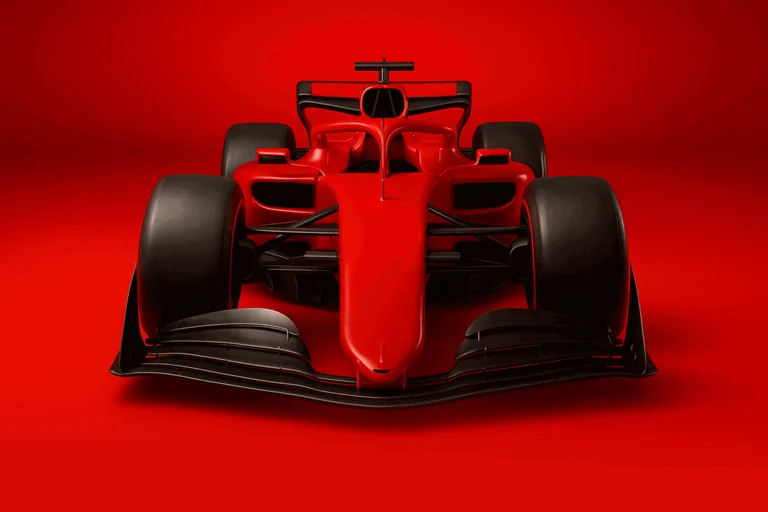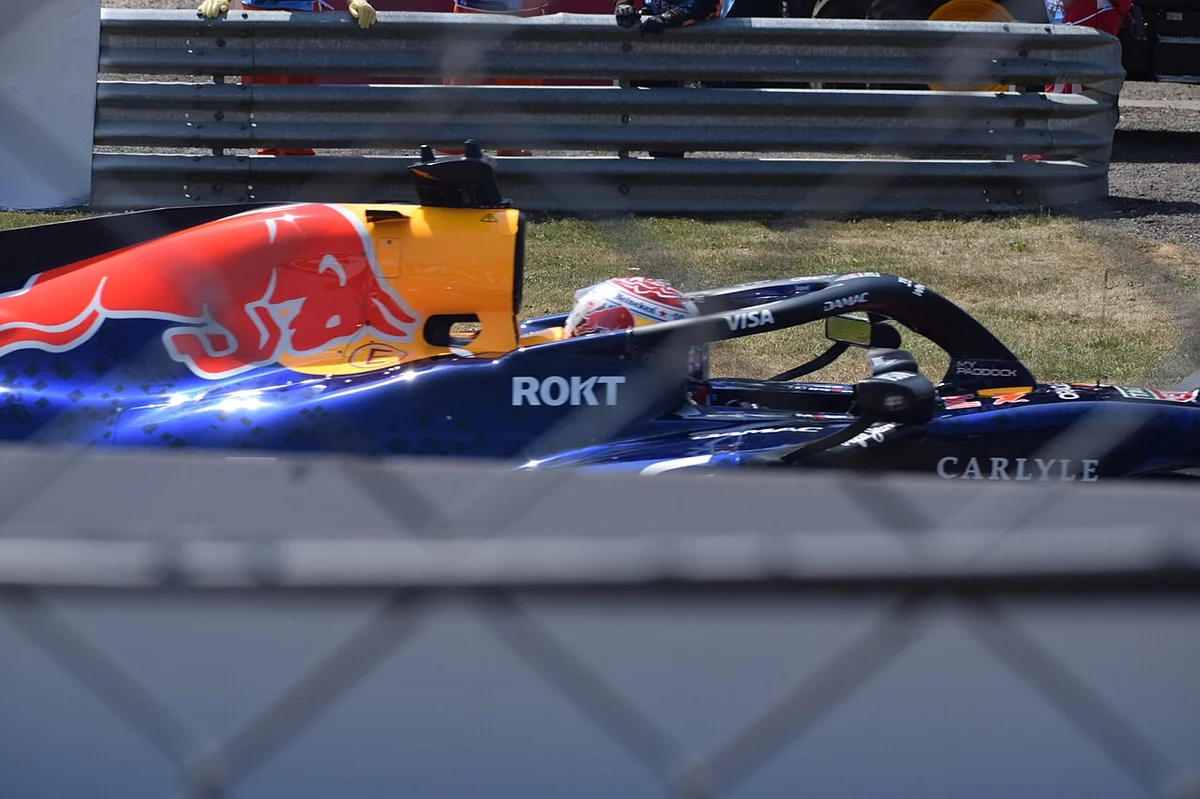


As The Race reports, the formation lap for the Bahrain Grand Prix at Sepang offered up a horrifying preview of what happens when over-engineered regulations collide with reality. Formula 1 got lucky that the chaos didn't turn into something far more disastrous. Seeing old sparring partners Max Verstappen and Lewis Hamilton sitting side by side on the front row should have been an absolute epic, but cars stopping everywhere before the lights even went out proved that the current rulebook has tied the hands of both drivers and teams through no fault of their own.
The underlying culprit is a set of power unit regulations that are fundamentally dangerous in how they are implemented. Drivers are constantly left baffled on the radio when machinery completely ignores inputs, mirroring Valtteri Bottas's bizarre crash into the safety barrier on the final lap in Baku when his car's computer got confused on an escape road and refused to brake. When a driver presses the brake pedal and the machine decides not to slow down, it completely mocks Article B1.8.1 dictating that the driver must pilot the car alone and unaided. Add in Article B1.8.5 regarding erratic driving and Article B1.8.7 concerning disabled cars impeding rivals, and the rulebook is being severely tested by software ghosts.
The governing body managed to deploy a quick software fix following pre-season testing startline struggles caused by the removal of the MGU-H, but rushing out untested code without real-world depth is playing with fire. If the Sepang race had started in dry conditions and the thunderstorm arrived around lap five, the grid would have been littered with stranded machines while drivers desperately tapped steering wheel buttons like Elton John playing piano keys, desperately hunting for a control-alt-delete. Technical regulations including Article C1.4 and C1.5 clearly state cars must be safe and compliant at all times, yet these power units continue to push the envelope into hazard territory.
The fix is painfully obvious: strip away the madness and return control to the pilot through standard pedals and a steering wheel. Asking for a 50/50 split between internal combustion and electrical torque over a lap profile of extreme demands is practically impossible, creating massive headaches with energy harvesting and deployment. Adjusting the ratio closer to a 75% internal combustion and 25% electrical torque balance would drop top speeds from 350km/h (218mph) to roughly 320km/h (199mph) and peak power from 1000bhp to about 850bhp, but it would actually work in the real world. Nobody cares about chasing arbitrary speed thresholds if the cars are constantly malfunctioning.
Ultimately, the race at Sepang sorted itself out into a very good contest, but the initial drama nearly ruined everything before the lights went green. Hamilton's Ferrari stalled on that initial formation lap before eventually restarting, leading to a dubious tyre choice on slicks for the restart that left him over a minute behind the leader. Thanks to help from a VSC and safety car, he miraculously fought back to the podium, but his machine could easily have been dumped out of the running entirely through zero fault of his or his team's.