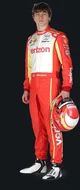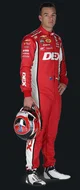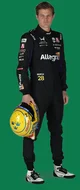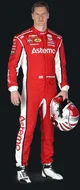

Now, that is what you call a breakout year. The 2026 NTT IndyCar SERIES season just completely rewritten the record books, delivering massive audience gains, soaring attendance, and a level of growth that frankly leaves you wondering how high this championship can actually climb.
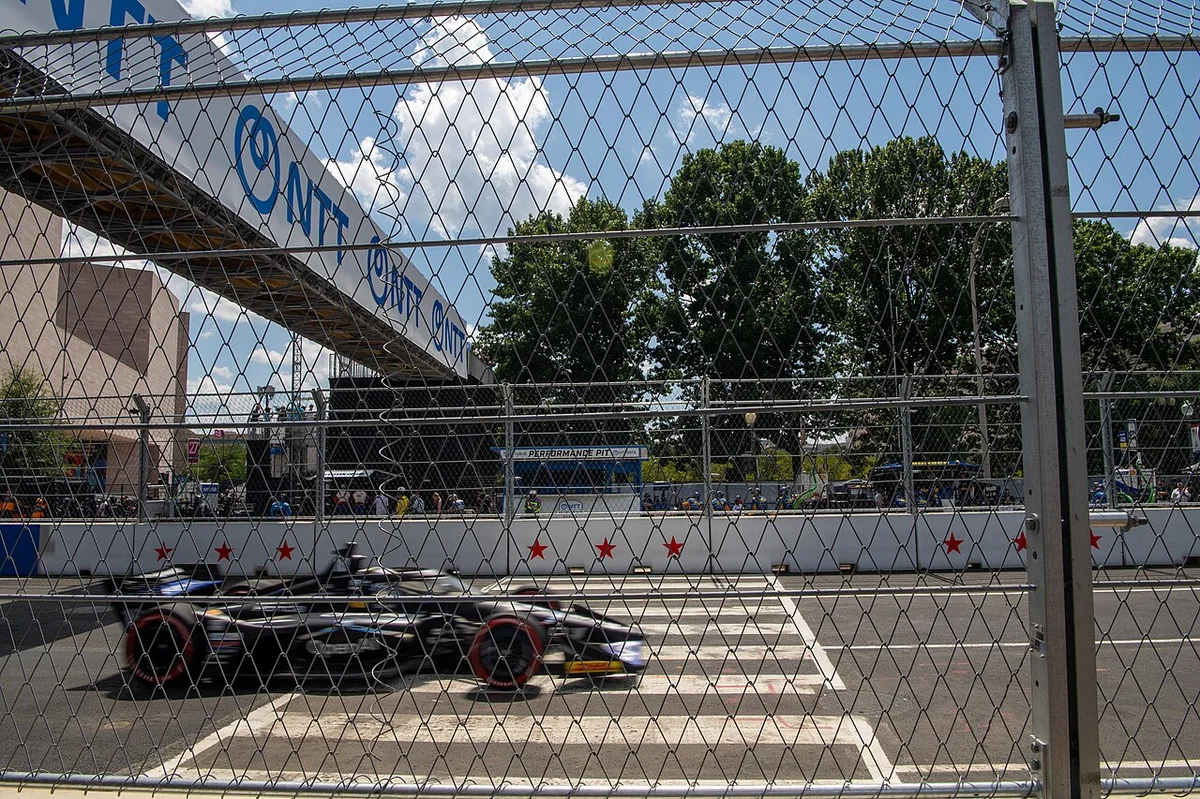
Let us talk about the numbers, because they are staggering. Across an 18-race schedule, the series pulled in an average audience of 1.68 million viewers on FOX—the highest average viewership in nearly two decades, going all the way back to 2008. Nine different races cleared the 1 million viewer mark, and the historic Freedom 250 Grand Prix of Washington, D.C. hit a peak audience of 3.5 million, marking the highest tune-in for a non-Indy 500 race since 1995. Combine all that with broadcast television, and IndyCar made a record 23 appearances on broadcast screens this year.
The grandstands were just as packed. Race weekend attendance jumped by approximately 20 percent, backed by another grandstand sellout at the Indianapolis 500 presented by Gainbridge and a colossal crowd of 215,000 people over the Freedom 250 weekend. St. Petersburg set a record-breaking weekend, Long Beach tied its record, and the return to Phoenix Raceway doubled its Saturday attendance. Even the inaugural Java House Grand Prix of Arlington—born from a joint venture between IndyCar, the Dallas Cowboys, and REV Entertainment—posted a grandstand sellout by race morning.
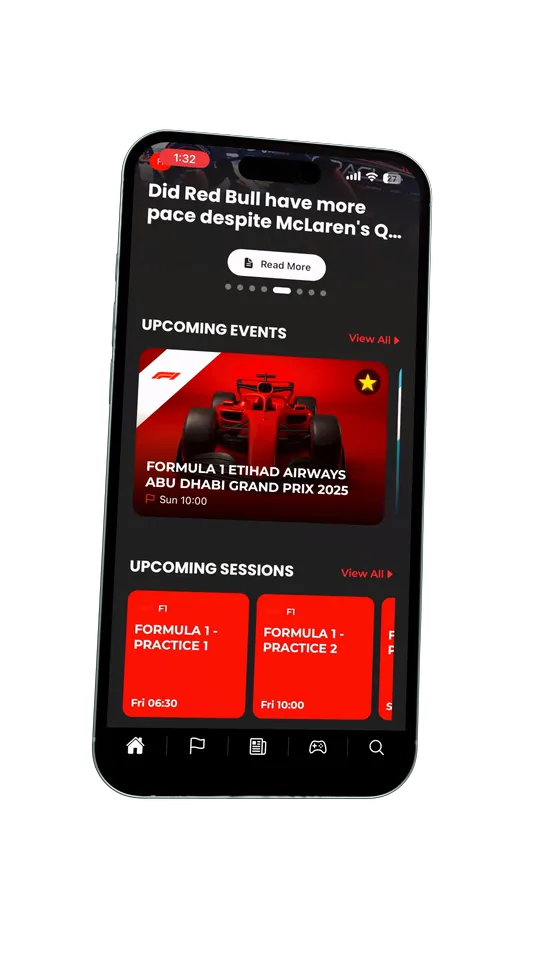
On the digital side, things were moving at an absurd pace. The Indianapolis 500 delivered the most popular digital day in series history with over 1.5 million engagements, while social and digital channels racked up more than 250 million video views. The IndyCar App powered by NTT DATA hit record average race day users with a nearly 20 percent bump in screen views, and the YouTube channel saw watch time shoot up by 58 percent alongside a nearly 70 percent growth in livestream views. Add in the digital-first docuseries “ALL IN: IndyCar”—produced alongside FOX Sports and Tom Brady’s Shadow Lion—which pulled in more than 6 million views on YouTube, and the sport clearly found a brand new audience.
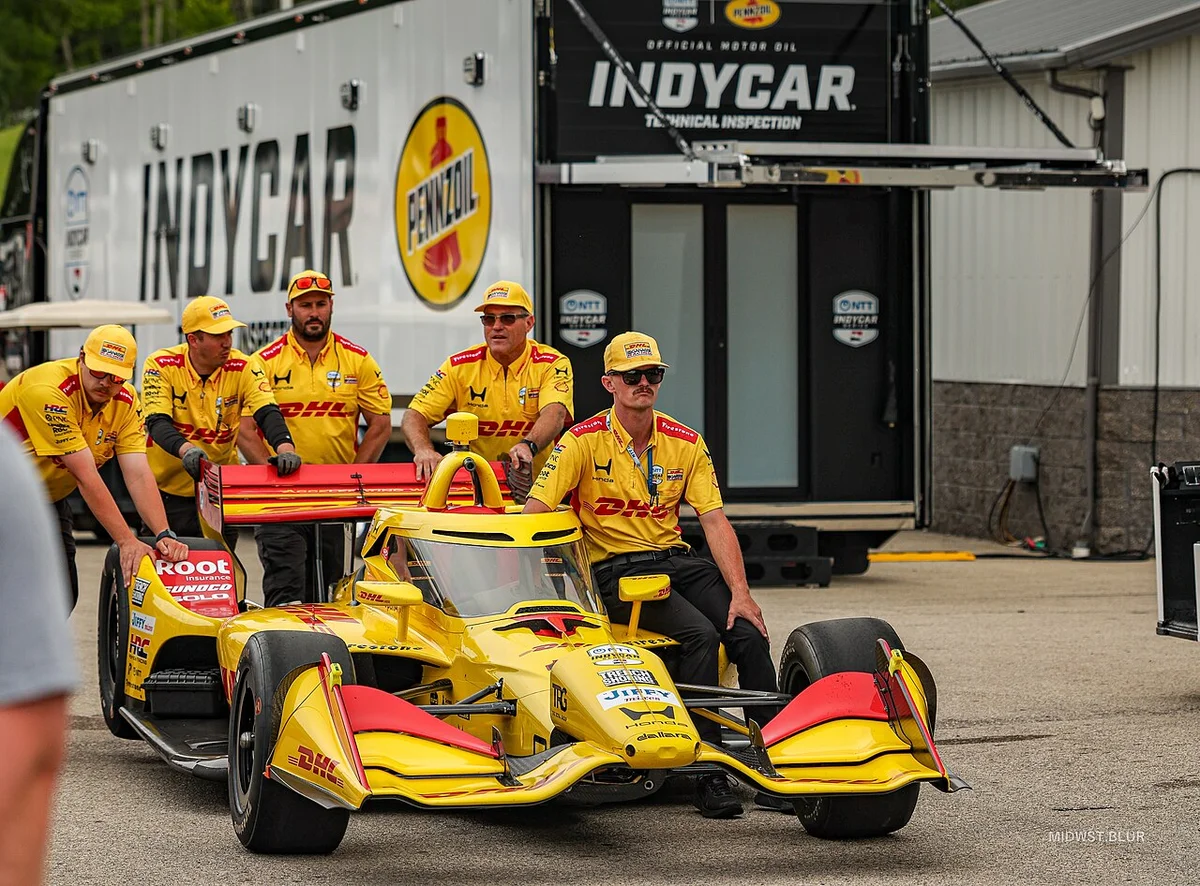
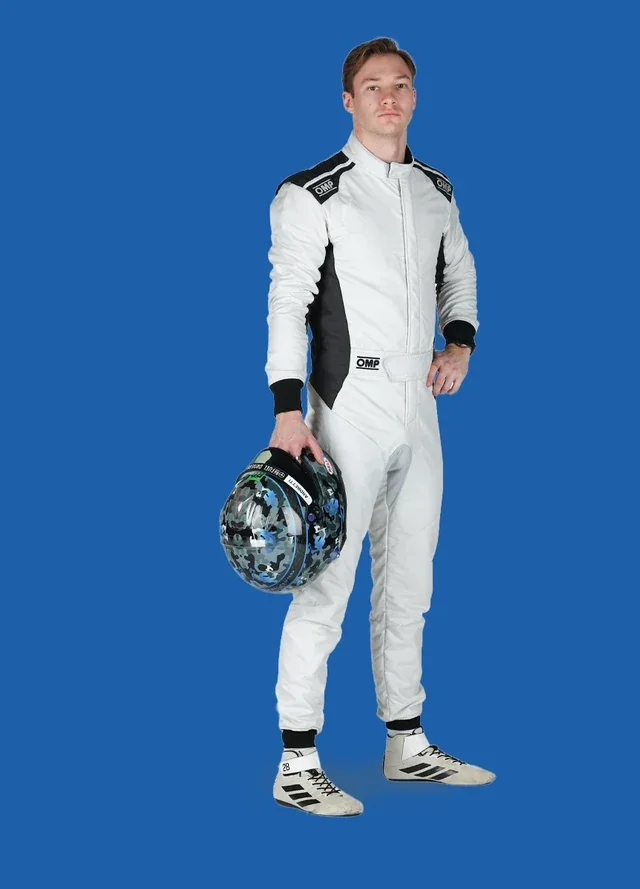
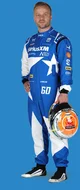
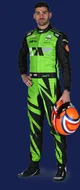
Out on the track, the racing matched the hype. Chip Ganassi Racing’s Alex Palou made history at just 29 years old by becoming the youngest five-time champion in IndyCar SERIES history. Meanwhile, Meyer Shank Racing w/Curb Agajanian’s Felix Rosenqvist took his first Indy 500 victory in the absolute closest finish in the race’s storied century-plus history. Eight different drivers won races, nine different teams landed on the podium, and a record 20 drivers made at least one Firestone Fast Six appearance.
Looking to the future, the championship already pulled the curtain back on the brand-new IR-28 car slated for 2028, designed to be lighter, faster, and built for tighter wheel-to-wheel racing, with Chevy and Honda locked in on multi-year engine agreements. As Penske Entertainment President & CEO Mark Miles noted, the growth curve is relentless, and if 2026 is any indication, North America's premier open-wheel series is just getting started.