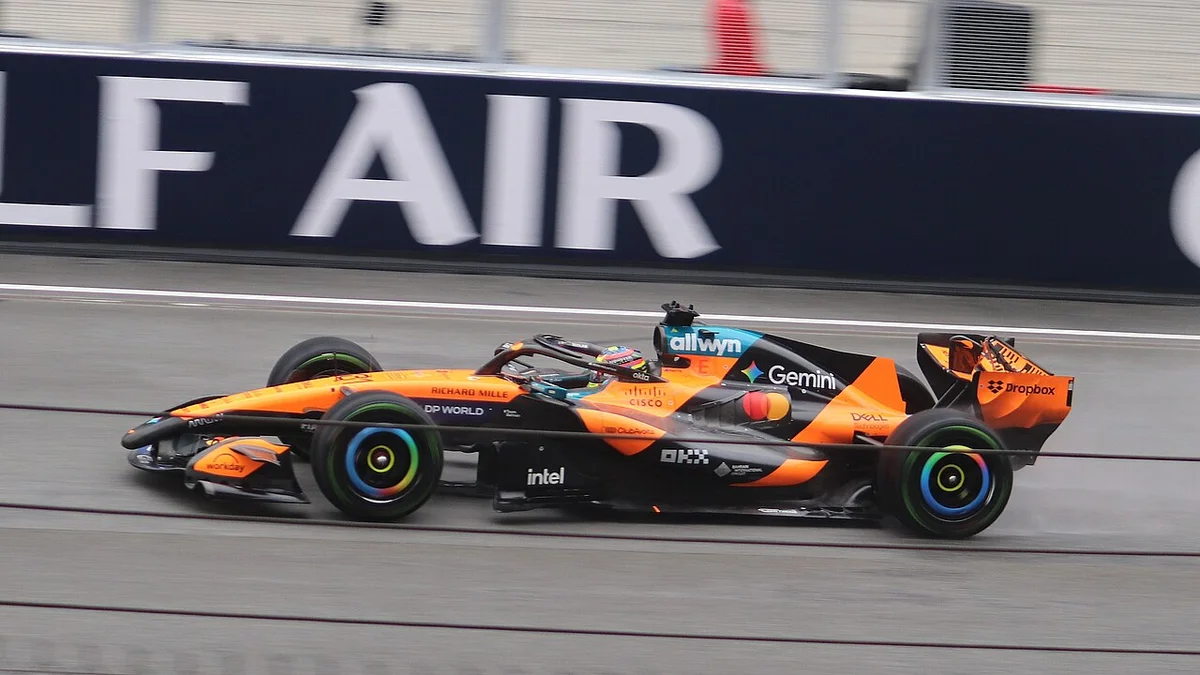


Monza used to be an absolute nightmare for Formula 1 braking systems. The terrifying speeds down those long concrete-lined straights, followed by brutal decelerations into tight chicanes, generated punishing thermal and mechanical stress. But as Motorsport.com Deutschland reports, everything changed with the sweeping technical regulations introduced for the 2026 season.
"Our classification of circuits regarding braking demands has changed significantly this year," explains Andrea Algeri, Formula 1 customer manager at brake supplier Brembo. "Monza used to be among the most demanding tracks for the brakes. That is no longer the case." The revolution comes down to the power unit, specifically the massive leap in output from the MGU-K, which has surged from 120 to 350 kilowatts. This electric motor-generator recovers kinetic energy during braking, feeding it back into the battery to be unleashed later for acceleration. Because the rear axle now wields vastly higher electrical power, it absorbs a huge chunk of the deceleration workload that used to fall squarely on traditional friction brakes.
This intricate dance is known as "brake blending," requiring manufacturers to harmonize hydraulic and regenerative forces so the car remains completely stable while the driver feels zero disruption. Nowhere is this shift more dramatic than in Italy. "We have recorded one of the biggest drops in required braking power demand there," notes Algeri. Those famous long straights now serve a dual purpose: cars burn through stored electrical energy at maximum speed, draining the battery just enough to leave ample storage capacity for the next heavy braking zone. The MGU-K gobbles up a massive share of the stopping duty, taking the heat off conventional mechanical components.
Yet, other tracks present the exact opposite headache. Austria and Singapore are now absolute torture tests for the traditional setup. In Singapore, continuous 90-degree corners and short straights mean drivers are constantly on the anchors without using up much electrical power. The battery stays stubbornly full, hitting its maximum capacity limit and shutting off additional regenerative braking. When that happens, the mechanical friction brakes have to do all the heavy lifting, pushing the compact rear braking systems right to their thermal limits.
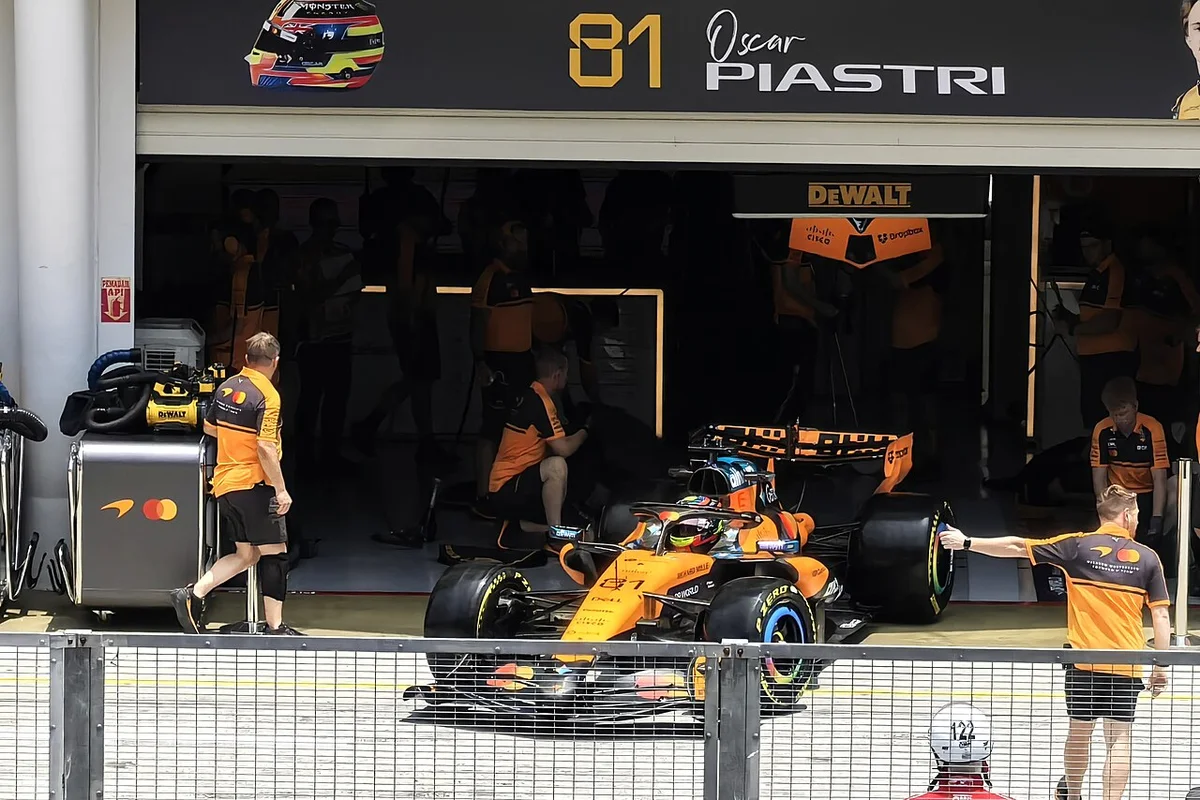
Conversely, Suzuka and Silverstone present an entirely different problem: the brakes get too cold. With vast high-speed sections where drivers never touch the pedal, carbon disc temperatures plummet near ambient levels. Because F1 carbon brakes demand an operating window between 350 and 550 degrees Celsius to deliver peak performance—while handling up to 1,000 degrees—underheating can be just as disastrous as overheating.
And the evolution isn't stopping here. Brembo expects further shifts for 2027, with performance director Mario Almondo pointing to potential tweaks in regenerative limits. If the balance shifts by just five percentage points to a 45-to-55 split, it could radically alter how cars pull up at every single circuit on the calendar. Ultimately, braking and energy management are now completely intertwined, proving Almondo's simple truth: whoever brakes better, accelerates better.


 F1