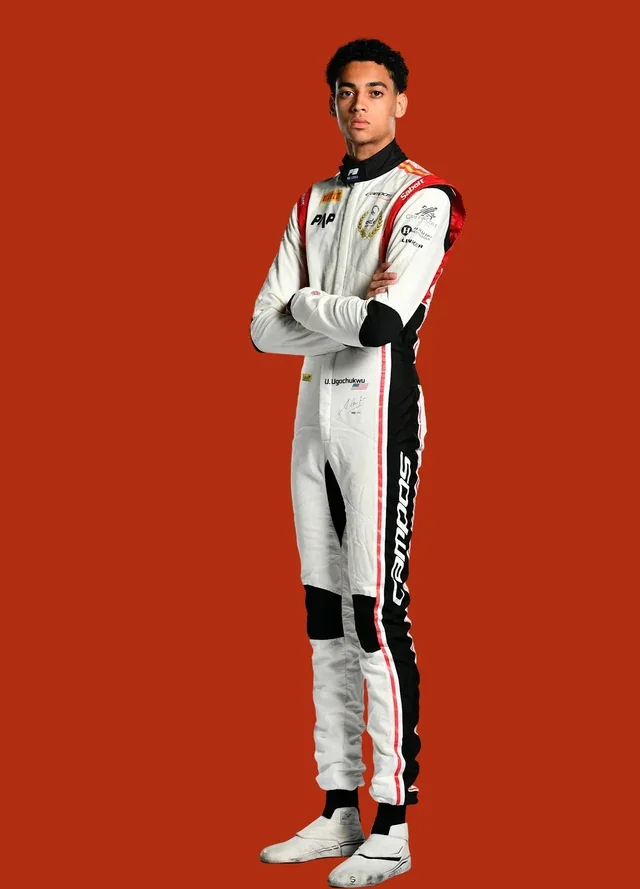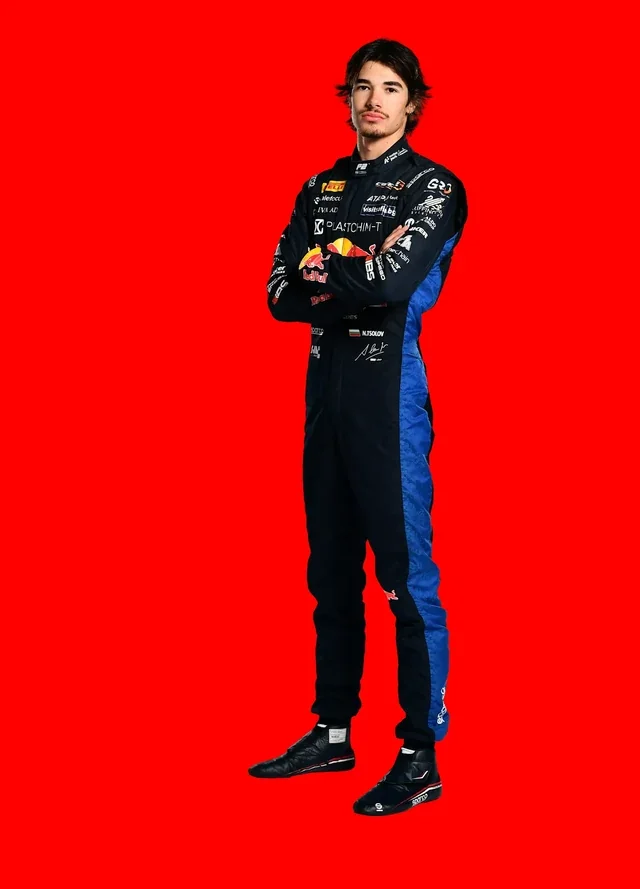
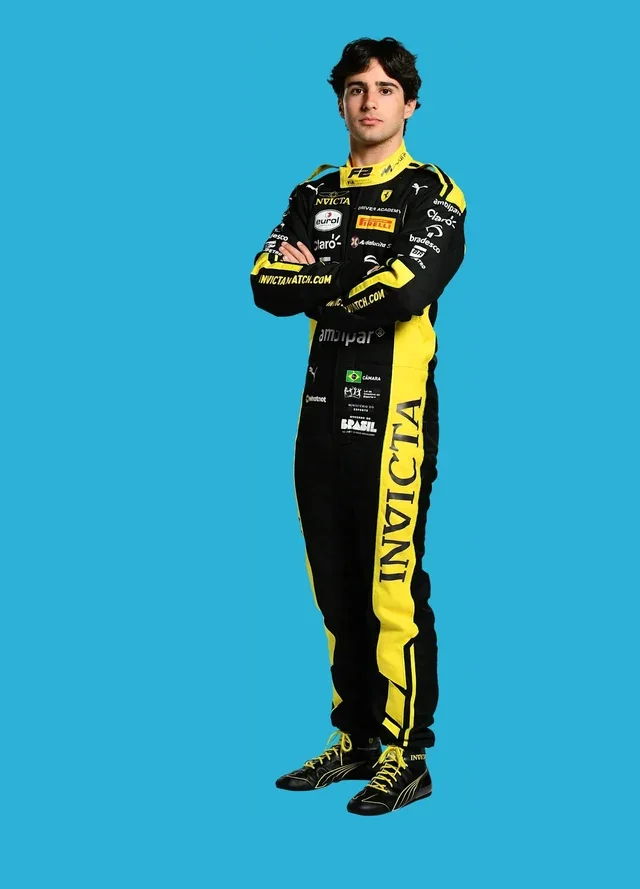


As Motorsport.com Deutschland reports, Rafael Camara's debut for Haas in Sao Paulo has pushed the American racing outfit right to the edge of a rule that practically nobody in the grandstands knows about. Article B1.7.1 of the sporting regulations states quite plainly that every competitor may use a maximum of four drivers in races during a championship.
Here is how the numbers stack up. With Oliver Bearman, Esteban Ocon, and Ryo Hirakawa having already contested at least one race for Haas this year, Camara became the fourth driver to start a Grand Prix for the team in the 2026 season. That leaves Haas completely out of room by the book to put any fresh face into the car.
Now, that quirk might paint the team into a corner for the final two rounds of the season in Katar and Abu Dhabi. Formula 2 is running alongside Formula 1 on those weekends, and if Camara chooses to chase the Formula 2 title fight instead of taking more Formula 1 outings, Haas will have zero choices left other than to call upon Hirakawa again.
A return to the cockpit for Esteban Ocon has already been ruled out, which locks in that specific scenario. Haas initially confirmed Camara strictly for his home race in Brazil while keeping any further appearances wide open.
The math gets genuinely ugly if regular driver Oliver Bearman happens to miss a weekend. Under the regulations, the team would theoretically be forced into a corner with Camara and Hirakawa—or Ocon, though circumstances rule him out.
It has been 25 years since a Formula 1 team last ran through more than four drivers in a single season, back when the Prost team cycled through Jean Alesi, Gaston Mazzacane, Luciano Burti, Heinz-Harald Frentzen, and Tomas Enge in 2001 under a completely different rulebook. The regulations changed to cap teams at four drivers ahead of the 2004 season, and every single squad has managed to stay within that boundary for over two decades.
There is a tiny escape hatch built by the FIA, of course, because the rule text adds that further changes driven by force majeure will be evaluated separately. That kind of exemption might apply if multiple drivers are knocked out by injury or illness, leaving the governing body to issue a special permit so the affected team can field two cars.
What counts as force majeure remains entirely up for interpretation. After all, similar limits did not stop outfits like Lotus, Larrousse, and Simtek from running six different pilots apiece during the 1994 season.
 F1
 F1