


The 2026 Formula 1 campaign is turning into a massive regret for Ferrari. As FormulaUno.it reports, the Scuderia arrived with an aggressive and innovative approach that caught the entire paddock's eye, yet it has yielded zero pole positions and just two victories. For a team led by Frédéric Vasseur that entered the year aiming for at least one of the world titles, the current statistics mark a missed objective. It should be judged as the first real step of a project that deserves trust, but it desperately needs to keep offering encouraging answers to avoid imploding.
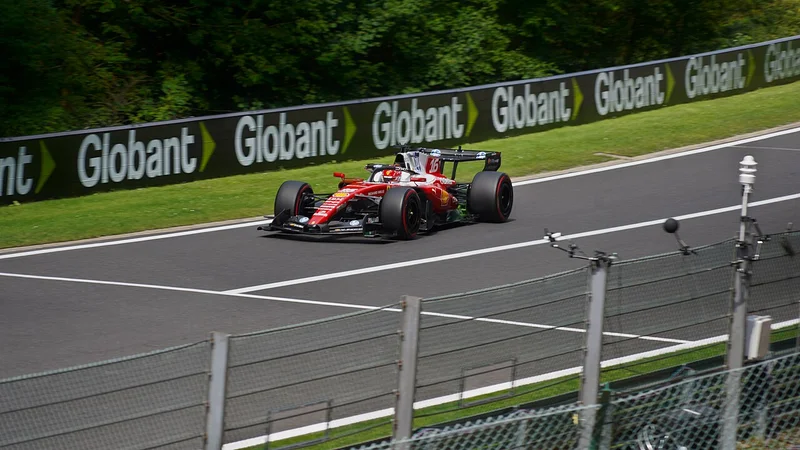
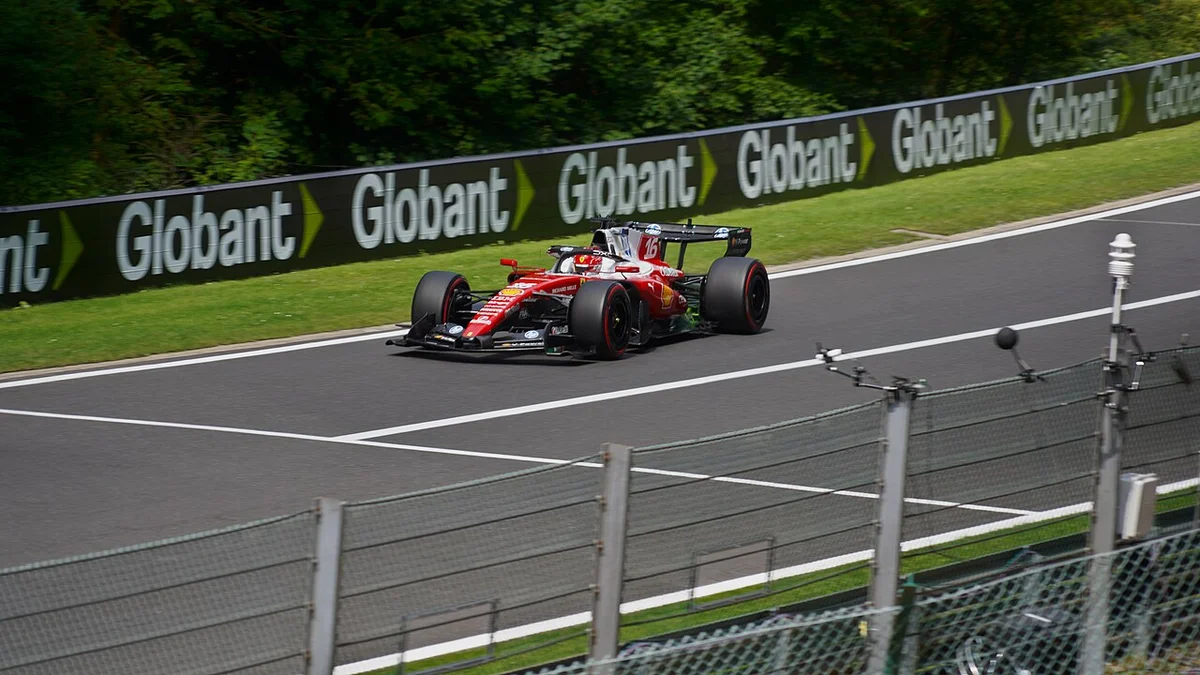
On the chassis and aerodynamic side, the SF-26 is a masterpiece and a clear grid benchmark. Rivals like Andrea Stella and Toto Wolff have openly praised the brilliant work executed by Loic Serra, Diego Tondi, Frank Sanchez, and their respective departments. That excellence remains true even now, with the car capable of masking a power deficit of just under 20 horsepower—though that gap stood at roughly 35 horsepower for Charles Leclerc in Madrid. Even so, Leclerc and the red machine have constantly fought inside the top five in both qualifying and races. Lewis Hamilton experienced flashes of the advantage that ADUO 2 can unlock, but he failed to capitalize on Saturday before retiring early on Sunday.
The painful reality for Maranello is that such a chassis advantage can be eroded by relentless development. McLaren introduced a major package of weight reduction and extra downforce that brought the MCL40 level with the SF-26 and occasionally ahead. Mercedes is primed to follow suit with updates arriving in Malaysia and a forthcoming engine upgrade. Ferrari is still preparing one final development package expected at Austin, but the major focus has already shifted to the 2027 machine, as is standard practice.
That closing gap from competitors in the chassis department comes as no surprise, especially given the persistent engine handicap. The power unit has proven to be the absolute ballast of this project. Ferrari never seriously considered clawing back the deficit to Mercedes through ADUO options, exposing a winter development effort that turned into a glaring flop. That failure triggered quiet internal fallout, with high-profile figures Zimmermann and Schmidt departing for Audi after being recruited by Mattia Binotto. Those exits followed reported friction with Maranello's engine department chief, Enrico Gualtieri, who ultimately took complete control of the situation. The 2026 power unit essentially became an emergency project to get a working engine on track, and attention has already pivoted entirely to a brand-new specification for next year.
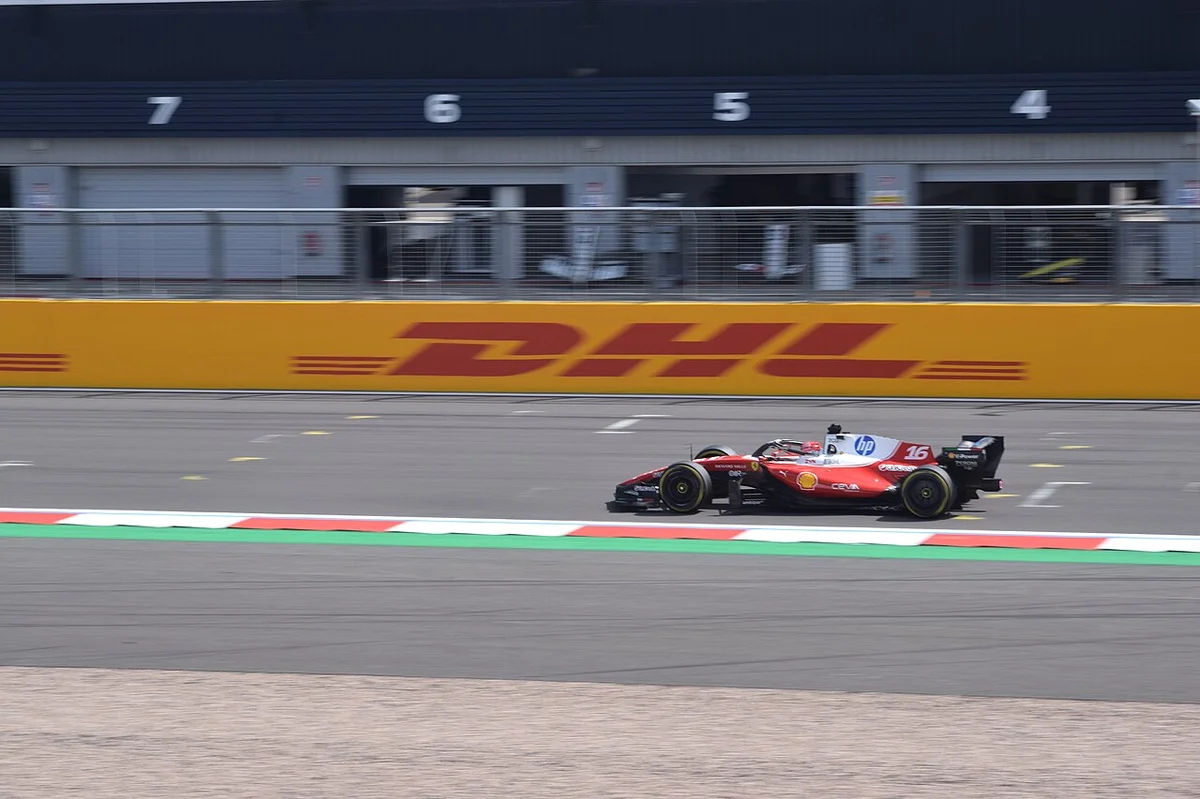
The SF-26 was never destined to be a championship winner because it simply started too far back from a propulsion standpoint. The two ADUO development tokens were meant to salvage parts of this season and hunt for wins at tracks where the car's strong vehicle dynamics and aerodynamic loads let it shine. Yet, the qualifying deficit that routinely drops Hamilton and Leclerc behind direct rivals remains a heavy burden in a tightly packed field. Every project requires time, and Vasseur is beginning to harvest the rewards of his structural stability and key technical additions like Serra and Sanchez.
With Gualtieri standing alone at the helm of the engine department—bolstered by fresh hires from Renault's former engine division—the team is taking on an increasingly Italian-French identity under Vasseur. The chassis department has made staggering leaps forward, but next year will demand a complete resurrection on the power unit side. Building an engine worthy of the chassis, maintaining aerodynamic dominance amid regulatory shifts, and sharpening team execution remain the definitive missions for the future.