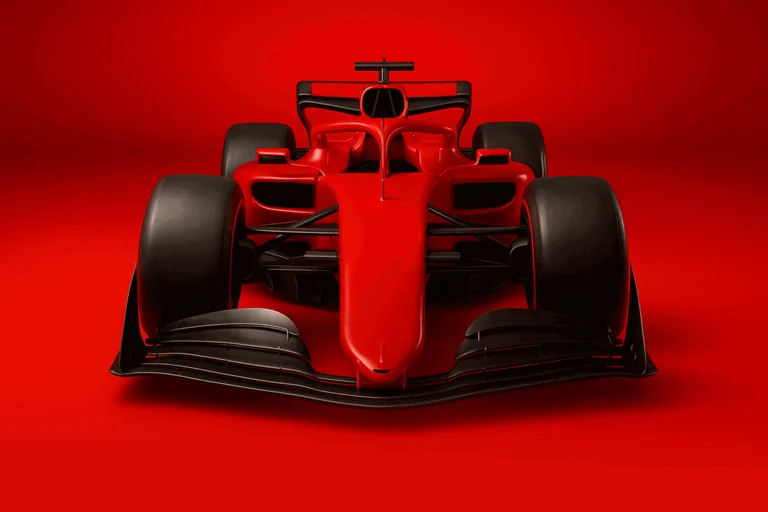



Formula 1 entered a massive new era at the start of the 2026 season, bringing in new cars, new power units, and Advanced Sustainable Fuels. Teams and their partners have been pushing hard to maximise this pioneering technology in terms of both performance and reliability. Prior to this rules reset, the sport already used turbo-hybrid power units featuring 10 percent ethanol biofuel as part of its Net Zero by 2030 commitment.
That effort stepped up significantly for 2026, with F1 and the FIA mandating Advanced Sustainable Fuels sourced from carbon capture, municipal waste, and non-food biomass. These drop-in fuels are designed to replace fossil fuel equivalents without needing internal engine adjustments, meaning they can theoretically find their way into road cars. In the build-up, squads and fuel partners cycled through countless product iterations ahead of the Barcelona Shakedown in January.
At the moment, my team and I are fully focused on giving Audi the best performance possible, but we are part of the same team that's developing BP Ultimate road fuels,
For Audi, that meant working closely with technology partner BP. The team assessed 70 fuel components and developed 400 pilot fuel samples before the 2026 campaign, while testing 200 fuel blends in the German manufacturer's all-new power unit and delivering 240,000 litres of test fuel to their Neuburg facility.
"There are two things here," says Luc Jolly, BP's Motorsports Technology Fluid Lead, in conversation with F1.com. "One is that Audi are a new team, with a brand-new power unit, working to a new regulation set, and secondly, there's the Advanced Sustainable Fuels requirement. We know the types of fuel components, molecules, additives and things that have typically worked well in F1 engines in the past, but essentially, all of the fossil-based componentry that we'd normally use, and was very well established, was not available to us. We've had to kind of start from scratch in terms of what works really well in the Audi engine, while that's been developing, and then once we know what works, how do we do that in an advanced, sustainable way, that the FIA will approve?"
Finding the sweet spot between performance and reliability is no small feat, particularly at the dawn of a fresh regulation set. "For people like me, it's an awesome technical challenge," adds Jolly. "That is why we like F1. Yes, it's about the drivers, the fans, the passion, and all those kinds of things, but it's also a technical sport. If you didn't get these new things coming along that shake things up a bit, it wouldn't be F1, would it?"
Gabriel Bortoleto, who debuted with Sauber in 2025 before the squad transitioned to Audi's works effort, shared his fascination with the complex world of 2026 fuels. "I was asking him all my questions, and I had so many more questions that I would [end up asking him] for the rest of the day!" Bortoleto says. "It's funny, because I grew up literally driving, driving, driving, driving, and you keep driving and evolving your techniques on the driving side, but when you reach F1, it's a completely different world. It's all about innovation, it's all about bringing upgrades to the car, to the engine, in the fuel, in every component in the car."
Looking ahead, Jolly sees plenty of scope for continuing to develop these sustainable fuels, noting that upcoming regulation adjustments for 2027 will increase fuel flow and alter dynamics inside the engine. Beyond the racetrack, the lessons learned are also connected to the development of BP Ultimate road fuels, though commercial rollouts will take longer.
"At the moment, my team and I are fully focused on giving Audi the best performance possible, but we are part of the same team that's developing BP Ultimate road fuels," Jolly explains. "We're very well connected, we're sharing learnings. As we're going through this, we're considering what from the stuff that we're doing in the F1-dedicated team could potentially be of benefit to road fuel customers."