
Here is the thing: the sound, the fury, and the pure emotion of Formula 1 are officially heading back to our Sundays. As Speedcafe reports, engine manufacturers, the teams, and Formula 1 have all backed a turbocharged 2.1-litre V8 running on sustainable fuels alongside a reduced hybrid system, as confirmed by the FIA.
This stunning proposal brings the next round of engine regulations forward by a year. It cuts short the current cycle and paves the way for the first V8s in the sport since 2013, before the grid switched to the current era of V6 hybrids. Thankfully, the new units will still feature an electric component producing 200kW, with half of that power reserved for an overtaking mode rather than abandoning hybrid technology altogether.
There is a very deliberate method behind the engineering choices here. The decision to adopt a 2.1-litre capacity is intended to contain development costs by building on aspects of the existing 1.6-litre V6 design, while simultaneously reducing the complexity and overall weight of the power unit.
The move has received backing from FIA president Mohammed Ben Sulayem and F1 CEO Stefano Domenicali, following discussions among the sport's key stakeholders regarding timing and expenditure. FIA president Mohammed Ben Sulayem captured the sentiment clearly when he stated: “The return of V8 engines represents an opportunity to reconnect with the DNA of this championship, bringing back the sound, emotion and pure racing that is loved worldwide.” He added: “I want to thank all involved for their collaboration. This is an important step forward, and demonstrates what we can achieve when we work together to deliver the best possible future for our sport.”
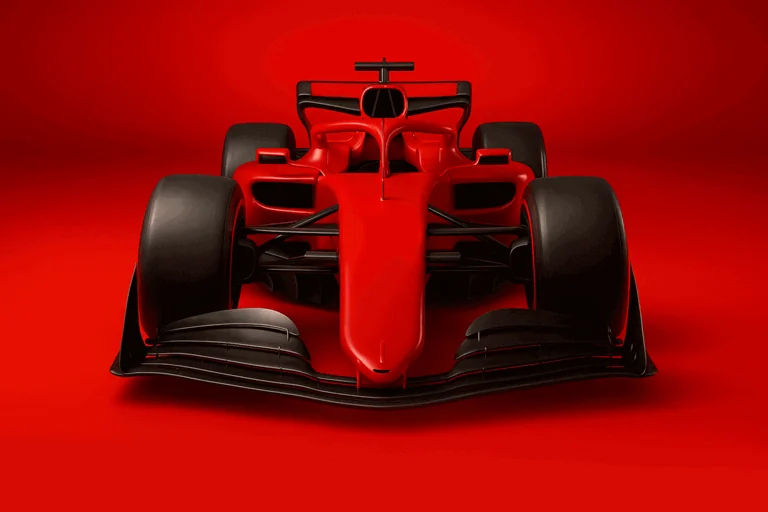
Beyond the engine bay, the FIA also wants this change to coincide with a lighter chassis, with the aim of making the cars more agile and better suited to close racing.
That said, this agreement establishes the overall technical direction rather than a final set of regulations. The plans must still secure approval from the FIA World Motor Sport Council and the power unit manufacturers. The FIA plans to present its definitive framework to the council at its Shanghai meeting next month, with details including the final power unit cost cap yet to be settled.
 F1