
Formula 1 is hurtling toward a massive mechanical reset, with the sport moving closer to a return to V8 engines for the 2030 season, as Motorsport.com reports. According to the FIA, a unanimous agreement has finally been struck between the governing body, F1 management, and the power unit manufacturers to bring the next generation of regulations forward by one year from 2031, effectively cutting short the current formula.
Here's the thing: everyone involved has recognized that the current formula is simply too complex, physically heavy, and a relic of a completely different direction in the road car industry. The consensus now points toward a 2.1-litre turbocharged V8 engine featuring a smaller electric component of 200kW, with half of that ringfenced specifically for overtake-mode use. This 2.1-litre capacity takes the current 1.6-litre V6 formula as its starting point, adding two extra cylinders entirely to slash development costs.
Following an aborted announcement on Tuesday, the FIA made it official on Friday, confirming universal backing among stakeholders to advance the transition to 2030. The governing body stated that the overriding objective is to deliver a power unit that is significantly less complex, lighter, and cheaper than the current power units, carrying over some geometrical specifics. It will feature limited hybridisation and relevant, sustainable technology designed to enhance attack-oriented racing and a sound that resonates with fans.
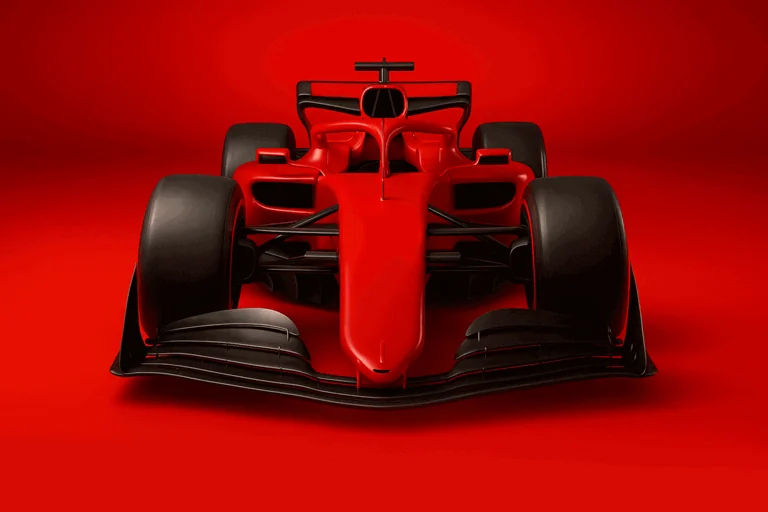
Beyond just the engine, the grand plan is to marry this V8 power unit to a chassis that will also be lighter and more agile, placing a much greater emphasis on driver skill and close racing. That push has been heavily driven by both F1 CEO Stefano Domenicali and FIA president Mohammed Ben Sulayem.
Ben Sulayem noted that the agreement marks a significant milestone in shaping the future of the sport, expressing his long-held ambition to deliver a more competitive, exciting championship that reconnects with its DNA. The return of V8 engines represents a chance to bring back the sound, emotion, and pure racing loved worldwide through lighter, simpler, and more affordable cars.
That said, the 2030 power unit rules still require formal approval. They must be voted through by the World Motor Sport Council and by the power unit manufacturers, while a number of finer details—including the exact level of the power-unit cost cap—still need to be agreed upon.
 F1