
Formula 1 is pivoting hard away from its current era. As The Race reports, key stakeholders have unanimously agreed on a framework to introduce 2.1-litre, turbocharged V8 engines for the 2030 season, bringing an early end to the controversial V6 turbo-hybrid rules that only just began this year with a near 50-50 split between internal combustion and electric power. The FIA World Motor Sport Council is set to rubber-stamp the plan next month at a meeting in Shanghai following an agreement in principle reached at an F1 Commission meeting on Monday, November 16, and subsequent talks with manufacturers.
That list of manufacturers includes Mercedes, Ferrari, Red Bull/Ford, Audi Honda, and future supplier General Motors. The accelerated timeline carries massive implications for GM and its Cadillac team, which joined the grid this year as a Ferrari customer. Having previously planned to debut its own bespoke engine to current rules in 2029, GM will now delay its manufacturer debut to avoid building a V6 for a single season. Instead, it is expected to remain a Ferrari customer for an extra year while its new engine facility opens in mid-December this year, allowing the company to focus its full development push directly on the 2030 rules. TWG boss Dan Towriss noted in Las Vegas that they had been working on both projects for a time, meaning a V6 base already exists alongside designs in motion for the V8.
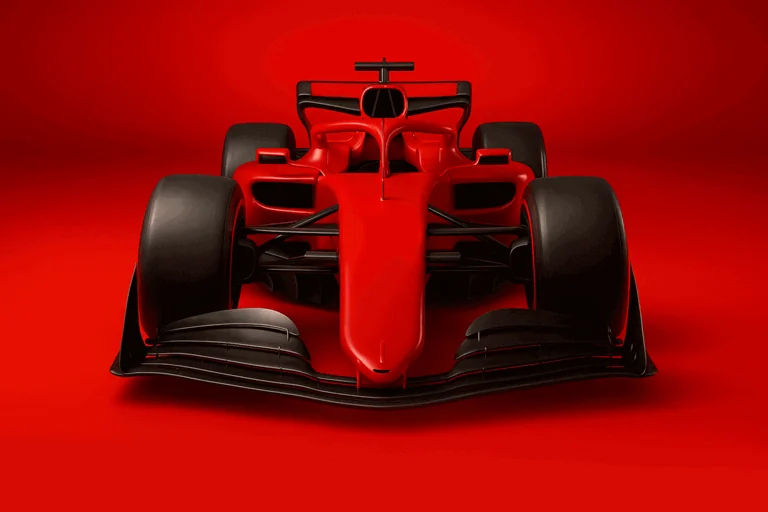
Under the proposed framework, the 2030 power units will feature limited hybridisation, sustainable fuels, and geometrical carryovers, all paired to a lighter chassis designed to drop around 80kg from the car, with nearly half of those savings coming from the engine side. While the retention of a turbocharger satisfies manufacturer demands for fuel efficiency and avoids oversized fuel tanks, the overall package aims to deliver simpler, cheaper, and louder machines. Drivers have largely welcomed the shift. Mercedes driver George Russell lamented the high-pitch squeal missing from the current era, while McLaren’s Oscar Piastri praised the fact that drivers were actually listened to. Alpine boss Flavio Briatore and FIA president Mohammed Ben Sulayem both pointed to the return of championship DNA, sound, and emotion, with Ben Sulayem emphasizing a vision of lighter, simpler, and more affordable cars.
Exact details regarding the hybrid element remain unconfirmed, though it is widely anticipated to feature a 100kW base electric power contribution alongside an extra 100kW available as a push-to-pass overtaking aid. This setup would push total output past 1,000bhp while freeing the cars from the restrictive energy limitations that plagued the 2026 rules. Questions also remain over how push-to-pass and active aero with movable front and rear wings will be managed under the new regulations.
Naturally, the grid's drivers have seized on the news with enthusiasm, tempered only by minor caveats. Red Bull’s Isack Hadjar declared himself very excited for a full attack racing car that could be the most fun of all time in 2030. His team-mate, four-time world champion Max Verstappen, admitted he would have preferred an even louder V10 if it were entirely up to him, but conceded the V8 move is definitely a step in the right direction. Seven-time world champion Lewis Hamilton welcomed the return of better sound and the elimination of power drop-offs down the straights, while stressing that the final verdict will ultimately depend on how the precise regulations are drawn up.

 F1