

Here is some genuinely wild news for anyone who loves pure muscle: according to Motorsport.com Brasil, NASCAR has just announced a sweeping overhaul of the Cup Series technical regulations for 2027, anchored by a long-awaited surge in engine power. The championship is officially raising output to 750 horsepower on intermediate ovals, while short tracks could soon unleash a staggering 800 horsepower depending on upcoming testing.
The horsepower hike kicks off at the Coca-Cola 600 at Charlotte Motor Speedway, moving the cars up from their current 670 horsepower using the intermediate aero package. But before that, just one week prior, the All-Star Race at North Wilkesboro will serve as a high-stakes laboratory. NASCAR will strap 800 horsepower into the machines for that exhibition event, comfortably blowing past the 750 horsepower currently used on short tracks.
Everything hinges on what happens during that race at North Wilkesboro. If the data and the on-track battles check out, that mighty 800 horsepower setup will roll out to the rest of the short-track calendar beginning with the night race at Bristol. Alongside the brute force changes, aerodynamic tweaks are also on the way, with the category removing the lower front splitter stuffers for all short-track and road-course events.
Crucially, all of this power is being poured into the existing platform rather than a brand-new generation of machines. NASCAR CEO Steve O'Donnell recently pointed out that keeping teams and manufacturers financially stable is the priority, especially with Dodge entering the picture alongside interest from other new automakers looking at the series.
The 2027 rulebook touches nearly every corner of the racing weekend. Qualifying formats at Daytona and Talladega are shrinking to a single round, with a specialized setup aimed at pushing speeds past 320 km/h. If qualifying gets washed out, the starting grid will rely on owners' points, save for the Daytona 500.
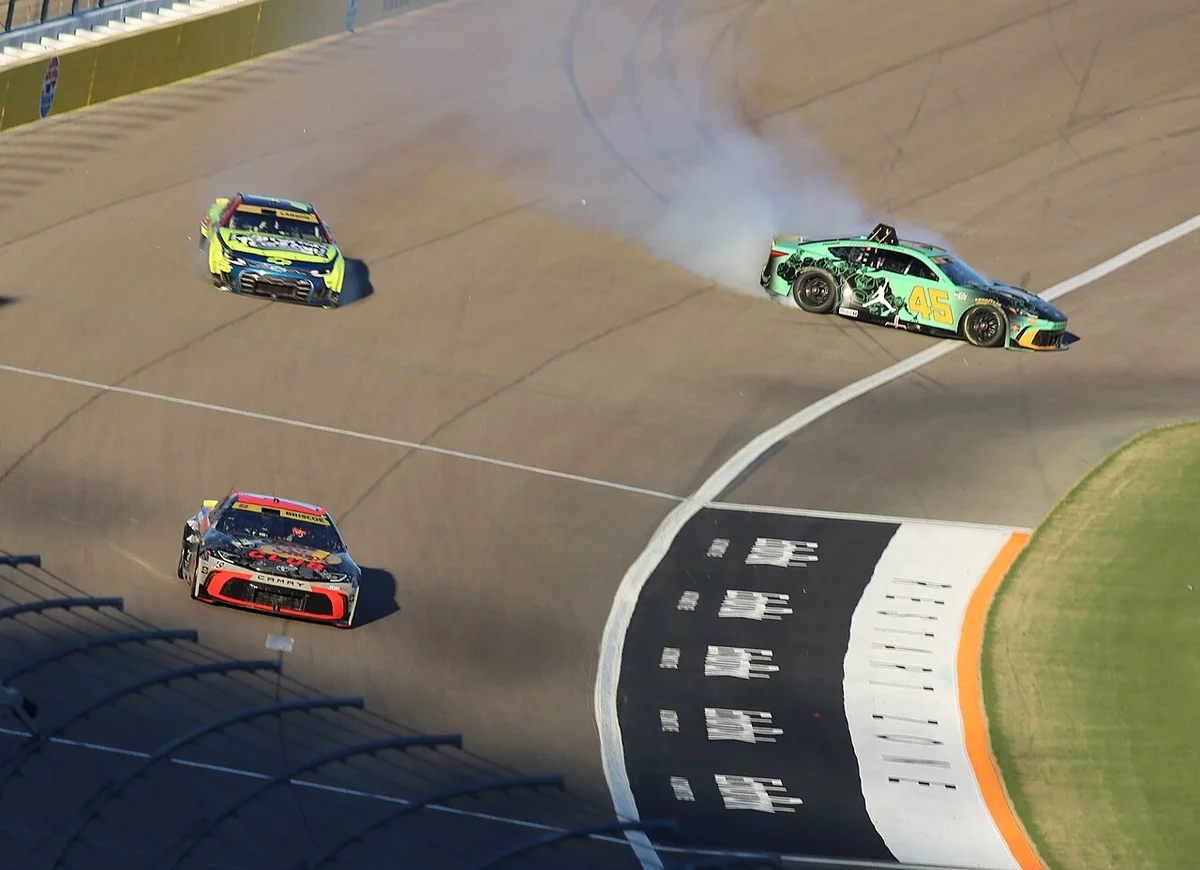
Strategy is also getting handed back to the pit wall. Team bosses will now call the shots on when to swap to wet-weather tires during wet-track oval races, taking the decision out of a centralized mandate. NASCAR has additionally tightened up track limits following the controversy involving Kyle Larson at Talladega, while updating driver participation rules and penalties across the national series.
It is a massive shake-up that avoids an expensive clean-sheet car design while directly addressing what the fans and drivers want: more power, better racing, and machines that demand to be wrestled around an oval.